If you’ve been drinking coffee for years and have always wondered about the magic behind transforming green beans into aromatic brown treasures, you’re not alone. Coffee roasting might seem like an art reserved for professionals, but it’s actually an accessible skill that any coffee lover can learn. Before you dive into your first roasting experience, there are several important things you should know to set yourself up for success.
Understanding What You’re Getting Into
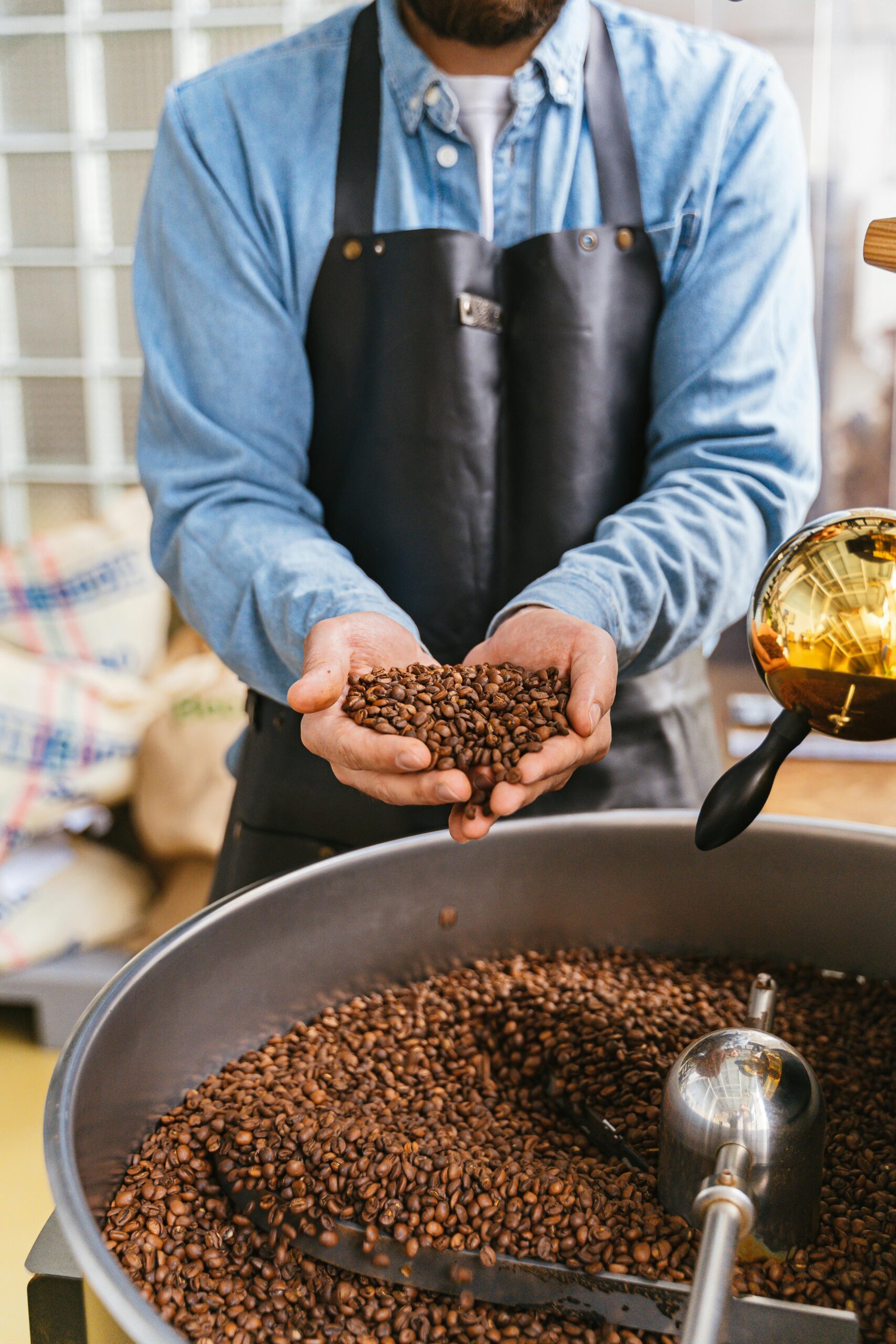
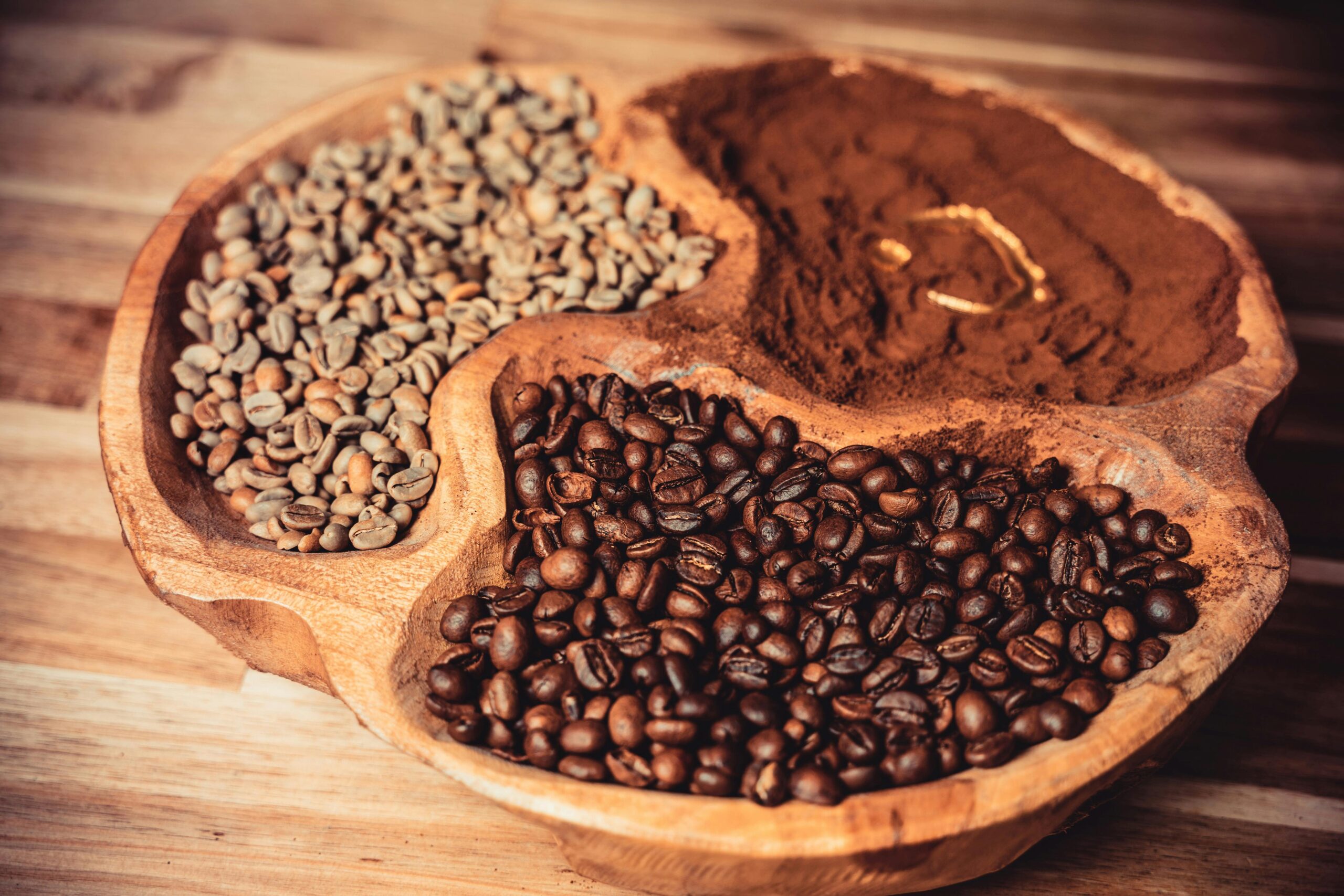
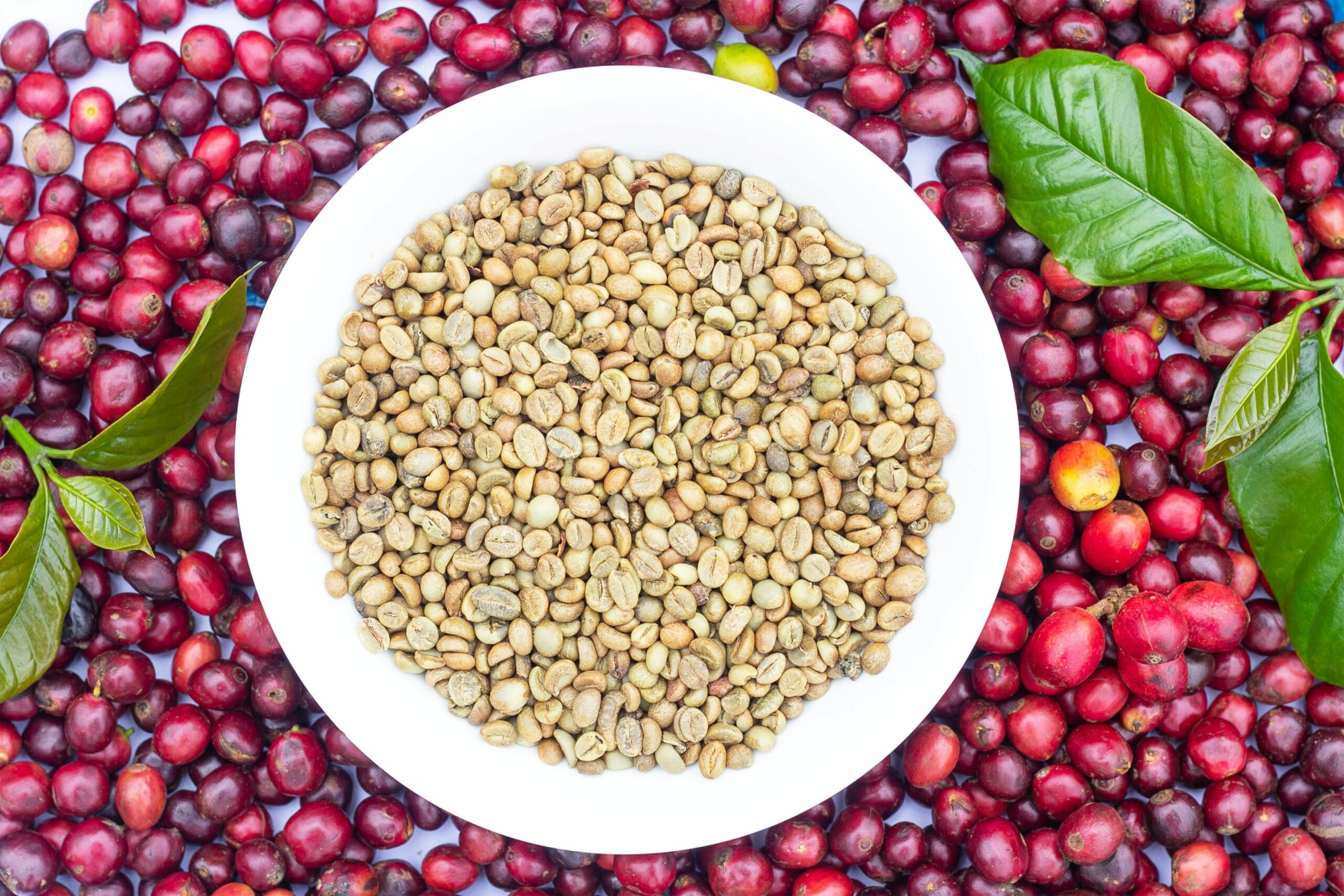
Coffee roasting is both an art and a science. It’s the process of applying heat to green coffee beans to develop their flavor, aroma, and the familiar brown color we associate with coffee. During roasting, hundreds of chemical reactions occur, creating the complex flavors that make each cup unique.
What many beginners don’t realize is that roasting is irreversible. Once you’ve taken beans to a certain darkness level, there’s no going back. Even professional roasters had to start somewhere, and learning from mistakes is part of the journey.
Setting Realistic Expectations
Your first roasting experience won’t produce café-quality results immediately. Professional roasters spend years perfecting their craft and developing their palate. As a beginner, your goal should be to produce drinkable coffee while learning the fundamentals.
Expect inconsistent results initially. Some beans might be lighter than others, and you might accidentally take a batch too dark. Each batch will teach you something new about timing, temperature, and technique.
Safety First: What You Need to Know
Coffee roasting involves high temperatures and produces smoke, so safety should be your top priority. Always roast in a well-ventilated area or outdoors if possible. The process produces chaff and can generate quite a bit of smoke, especially with darker roasts.
Make sure you have proper equipment for handling hot beans. Heat-resistant gloves, a metal colander for cooling beans, and a fire extinguisher within reach are essential. Never leave your roasting setup unattended.
Choosing Your First Beans
Not all green coffee beans are created equal. Look for beans described as “forgiving” or “easy to roast.” Central and South American beans, particularly those from Brazil, Colombia, and Guatemala, tend to be more predictable than some African or Indonesian varieties.
Start with a single-origin bean rather than a blend. Choose beans that are recent crops (harvested within the past year) and from a reputable supplier.
To develop your palate and understand what different roast levels should taste like, consider trying professionally roasted versions of similar beans before attempting to roast them yourself.
Essential Equipment for Beginners
You don’t need expensive equipment to start. Many successful home roasters began with simple, affordable tools:
Popcorn Popper: A hot-air popcorn popper is one of the most popular beginner methods. It’s inexpensive and can roast small batches, perfect for learning.
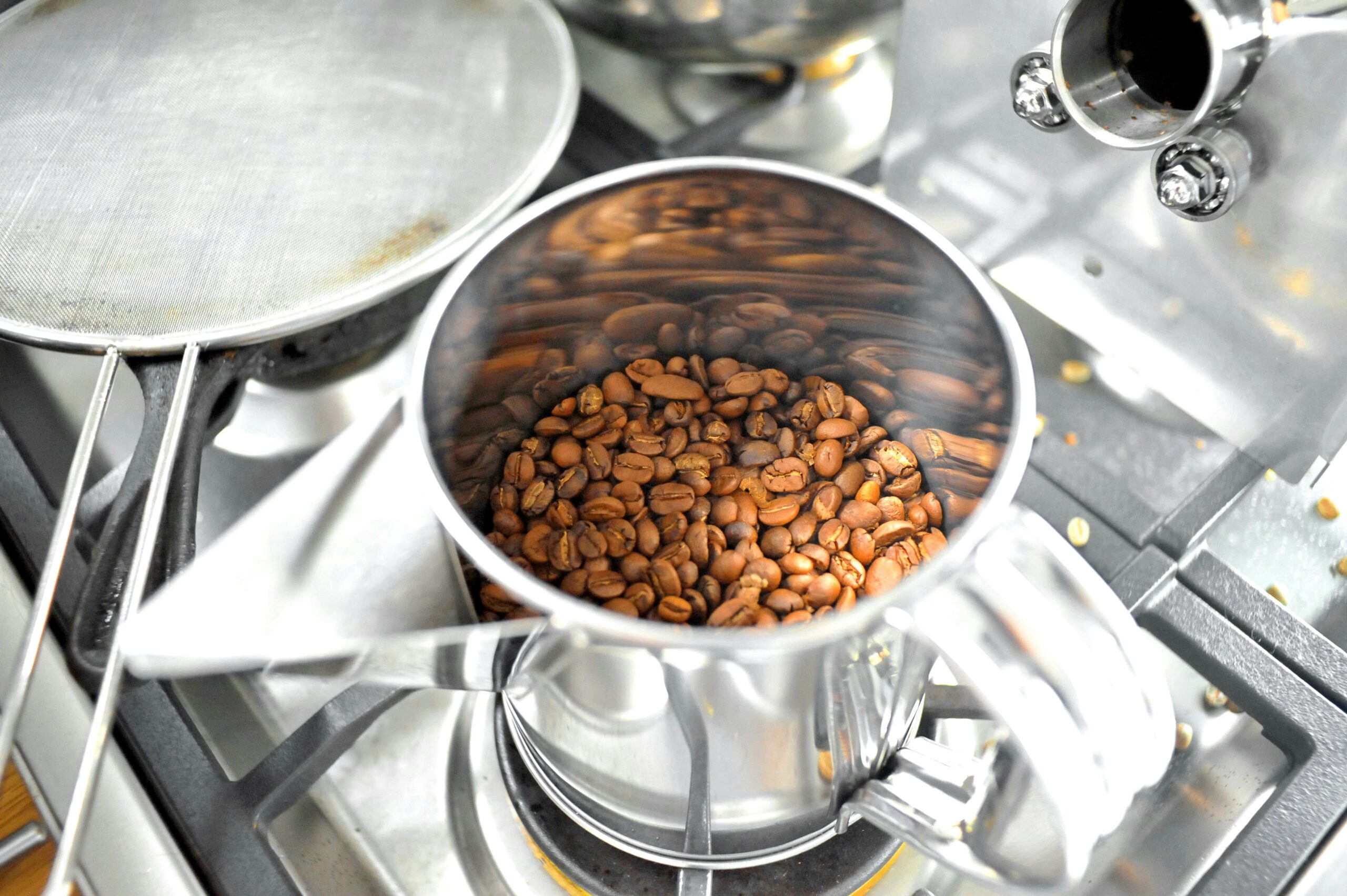
Cast Iron Skillet: The most basic method involves using a heavy skillet on your stovetop. While it requires more attention, it’s a great way to understand the roasting process.
Heat Gun and Bread Machine: Some roasters use a heat gun for a heat source and a bread machine (with heating element disabled) for agitation.
Whatever method you choose, make sure you can maintain consistent heat and keep the beans moving. If you’re serious about dedicated equipment, consider exploring professional-grade home roasting equipment designed for consistent results.
Learning the Language of Roasting
Before your first roast, familiarize yourself with basic roasting terminology:
First Crack: The audible popping sound beans make as they expand. This marks the beginning of light roast territory.
Second Crack: A quieter cracking that occurs in darker roasts.
Development Time: The time between first crack and the end of the roast.
Chaff: The papery outer layer of the bean that comes off during roasting.
Degassing: The process of CO2 leaving freshly roasted beans. Coffee needs 12-24 hours to degas before optimal brewing.
The Importance of Record Keeping
From your first roast, start keeping detailed notes. Record the bean origin, roast time, when first and second crack occurred, and your impressions of the final product.
Note environmental factors too – humidity and ambient temperature can affect roasting.
Finding Guidance and Community
While you can learn through trial and error, guidance from experienced roasters can accelerate your learning significantly. If you’re searching for “coffee classes near me,” you’ll likely find local roasters or coffee shops that offer hands-on instruction.
For those in the New Orleans area specifically, searching for “coffee roasting class New Orleans” will reveal excellent educational opportunities where you can learn proper techniques and practice with guidance from experienced instructors.
Understanding Flavor Development
One of the most important concepts for new roasters is that flavor development happens throughout the entire roasting process. The early stages drive off moisture and begin breaking down acids. The middle stages develop sweetness and body. The later stages create the roasted flavors we associate with coffee.
Common Beginner Mistakes to Avoid
Roasting Too Fast: A good roast typically takes 8-15 minutes, depending on your method and batch size.
Not Listening: Learn to recognize the first and second crack, as these are crucial timing markers.
Inconsistent Agitation: Beans need to move constantly during roasting to ensure even heat distribution.
Poor Cooling: Quick cooling is essential to stop the roasting process at the right moment.
Drinking Too Soon: Wait at least 12-24 hours before brewing for the best flavor.
Planning Your First Roast
When you’re ready for your first roasting session, start small. Roast only 3-4 ounces of beans – enough for a few cups but not wasteful if something goes wrong. Have all your equipment ready, including something to cool the beans quickly.
Choose a time when you can focus entirely on the process, as roasting requires attention.
Conclusion
Your first coffee roasting experience should be approached with excitement, patience, and realistic expectations. While you might not create the perfect cup on your first try, you’ll gain invaluable hands-on experience with this fascinating process. Remember that every expert was once a beginner, and even imperfect roasts can teach you important lessons.
The key is to start simple, take detailed notes, prioritize safety, and have fun with the process. Coffee roasting is a journey of continuous learning and discovery. Each bean origin and roast level offers new possibilities to explore.
Whether you eventually become a weekend hobbyist or develop a serious passion for the craft, your first roasting experience will open up a whole new dimension of coffee appreciation. The satisfaction of drinking coffee you’ve roasted yourself makes every bit of the learning process worthwhile.