Coffee is more than just a beverage—it’s a ritual, a source of comfort, and, for many, the essential fuel that jumpstarts the day. Around the world, billions of people drink coffee daily, whether as a quick morning pick-me-up, a mid-afternoon boost, or part of an all-day sipping routine. The culture of coffee drinking spans continents, but so do the questions and concerns surrounding its impact on well-being.
As research on coffee and health continues to grow, so does the divide between fact and fiction. Is drinking coffee harmful to your heart? Should morning coffee drinkers be worried about long-term effects? Does decaffeinated coffee intake offer any real benefit?
This article explores the science behind these questions, debunking common myths about coffee consumption, caffeine intake, and how your favorite brew—whether caffeinated coffee, brewed coffee, or instant coffee—can actually play a role in better health.
Debunking 6 Myths About Coffee and Health
Despite the growing body of research on coffee and health, myths and misconceptions still cloud the conversation. From fears about heart health to confusion over decaffeinated coffee and caffeine intake, it’s time to separate fact from fiction. Below, we break down the most common myths surrounding coffee consumption—and what science actually says.
Myth 1: Coffee Causes Heart Problems
Research shows that drinking coffee, especially two to three cups per day, is linked to a lower risk of cardiovascular disease, heart failure, and heart disease. Studies by the National Institutes and Men’s Lifestyle Validation Study confirm that moderate consumption improves cardiovascular health and reduces mortality risk compared to non-coffee drinkers. Whether you enjoy filtered coffee, instant coffee, or decaffeinated coffee, each type offers beneficial health effects when consumed wisely.
Myth 2: Drinking Coffee All Day Is Fine
While morning coffee drinkers benefit from better focus and energy, all-day coffee drinkers often suffer from trouble sleeping, increased blood pressure, and long-term fatigue. Caffeine consumption during late hours disrupts melatonin, an important sleep-inducing mediator, reducing sleep hours and causing restlessness. Over nine to ten years, studies show that the all-day-type pattern leads to worse health outcomes than limiting coffee to the morning hours. Save your caffeine intake for earlier in the day—don’t treat it like energy drinks.
Myth 3: Decaf Is Useless
Though often overlooked, decaffeinated coffee intake is linked to a reduced risk of chronic diseases, especially for those with digestive and kidney diseases or high cardiovascular risk factors. For pregnant women, light morning drinkers, or those avoiding too much caffeine, decaffeinated coffee still provides antioxidants and flavor without the side effects of high caffeine consumption.
Myth 4: Coffee Has No Nutritional Value
Coffee drinking isn’t just about energy—it delivers antioxidants that support heart health and reduce blood sugar spikes. Moderate coffee intake, especially of caffeinated coffee, brewed coffee, or instant coffee, is associated with a reduced risk of chronic diseases and improved health outcomes. Even one cup to more than three cups daily, when balanced, shows positive effects.
Myth 5: Coffee Is Worse Than Other Caffeinated Drinks
Unlike many caffeinated drinks like energy drinks, coffee is natural and free from synthetic additives. People drink coffee for both energy and experience—aroma, taste, and ritual. Those who primarily drank coffee over sugary alternatives were less likely to die from various conditions. Coffee stands out among other caffeinated drinks for both quality and health impact.
Myth 6: You Can‘t Control the Healthiness of Your Coffee
Yes, you can. Choosing filtered coffee over unfiltered coffee, tracking your cups of coffee per day in a drink diary, and timing your coffee in the morning instead of the evening can all influence your health benefits. Even moderate caffeine consumption makes a difference, especially when paired with mindful eating and lifestyle choices—not just consuming coffee alongside all the food.
Learn the Healthy Way to Enjoy Coffee at Current Crop Roasting Shop
The best way to take control of your coffee consumption and fully understand the health impact of your daily brew is through education—and Current Crop Roasting Shop makes learning both accessible and enjoyable. Their expert-led classes are designed to connect coffee drinking with wellness, helping you make informed choices about caffeine intake, brew methods, and more.
Here are five ways to deepen your knowledge of coffee and health:
- Home Roasting Classes
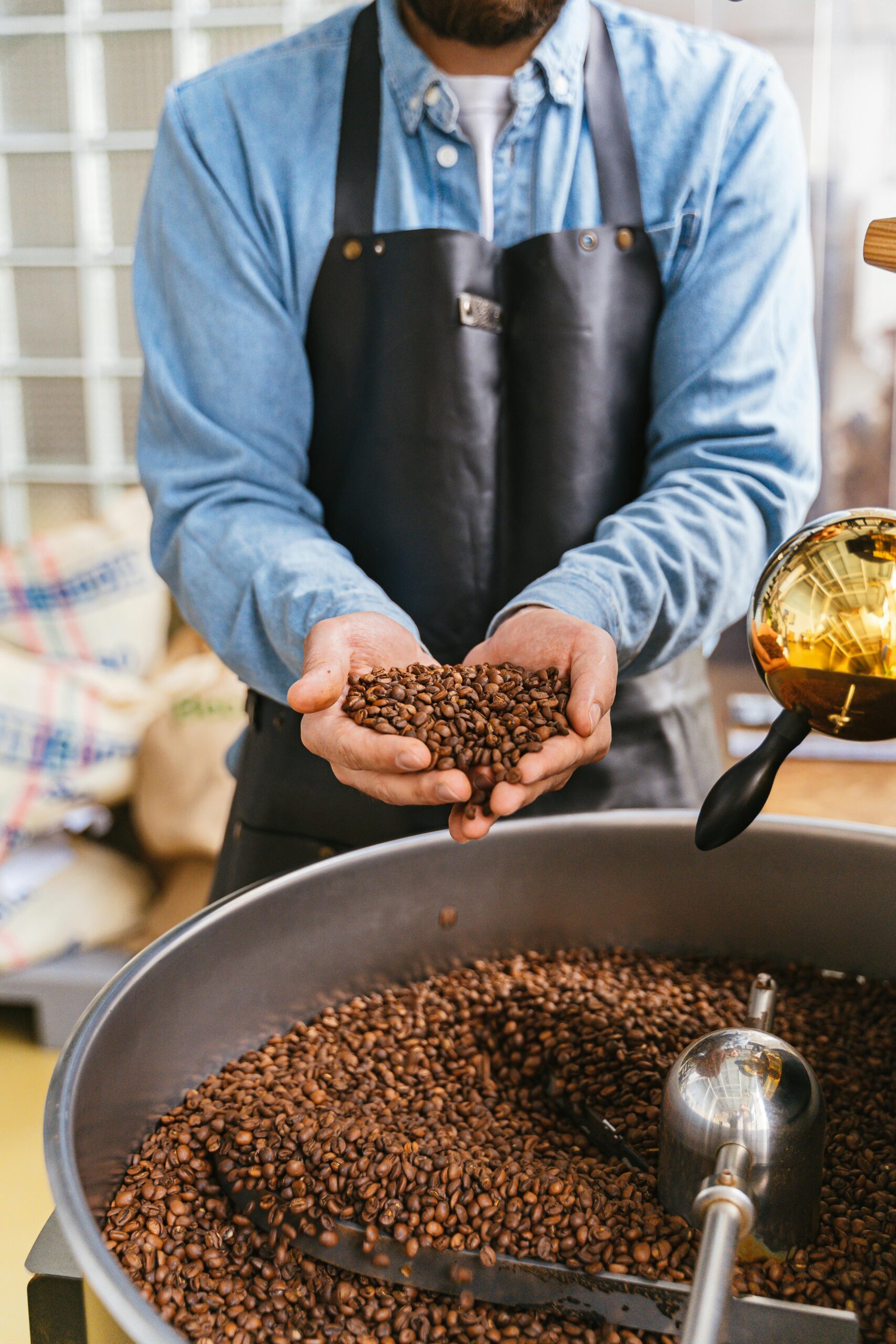
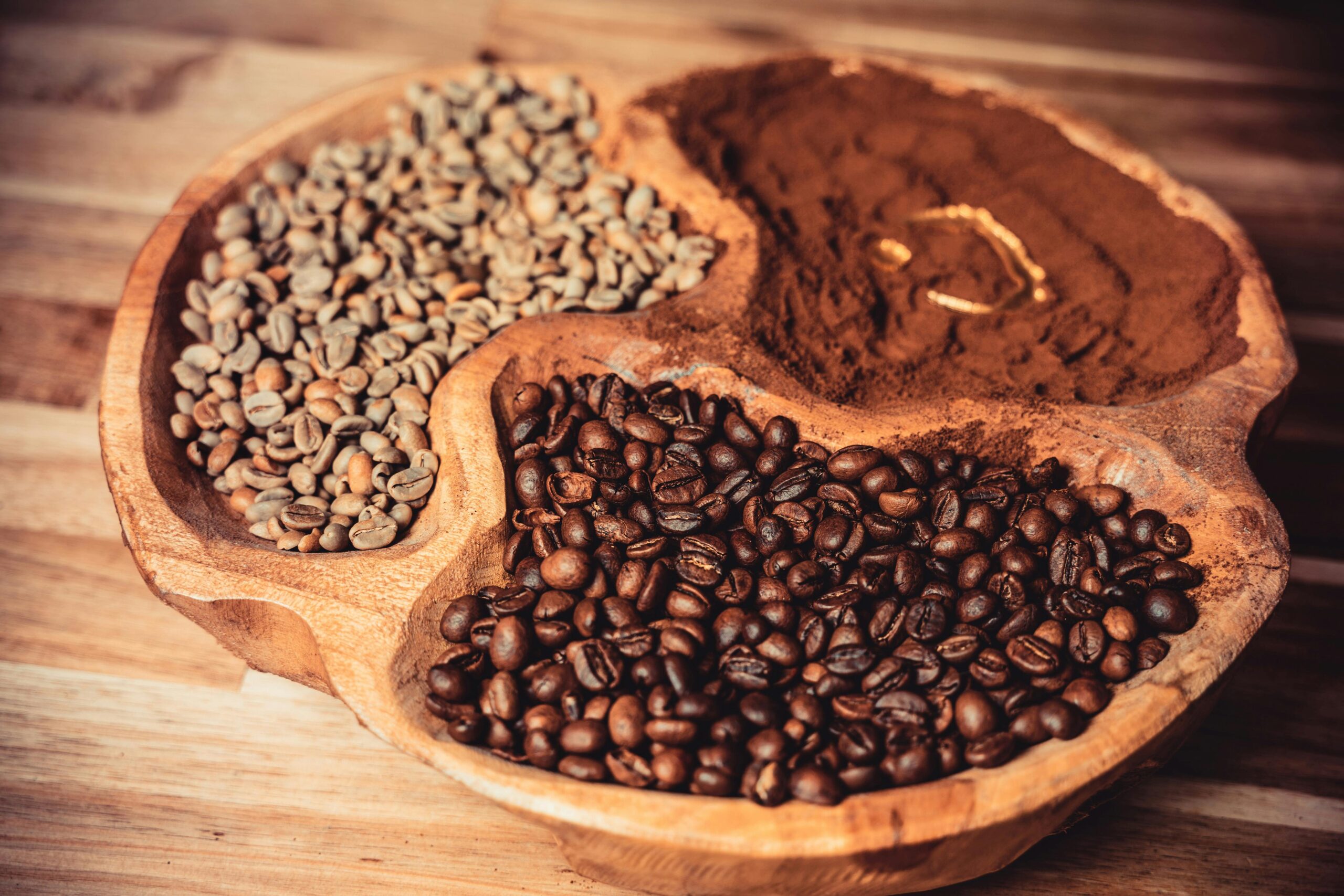
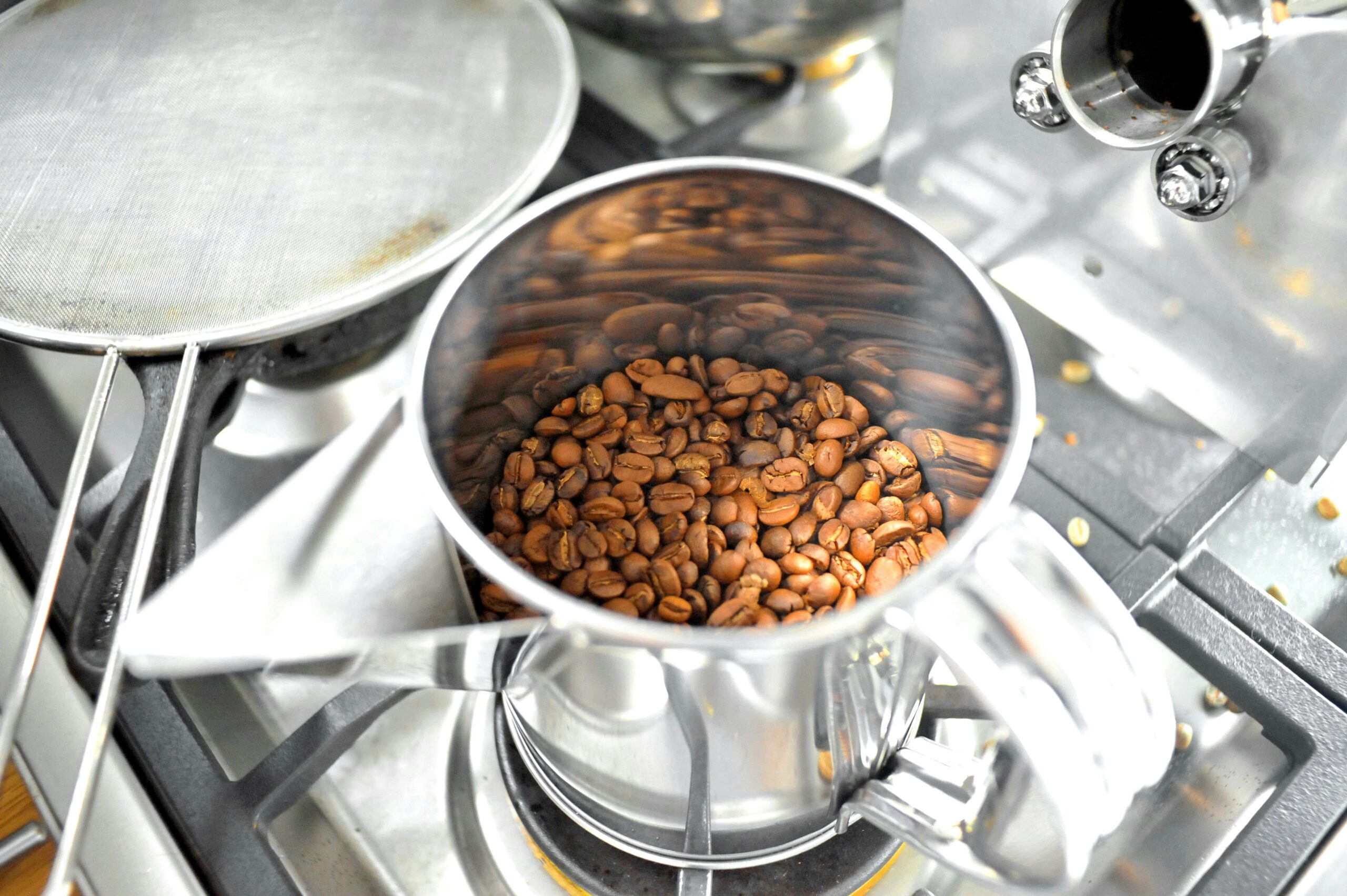
Learn to roast your own coffee beans and explore how roast levels affect both flavor profiles and caffeine content. Great for anyone looking to personalize their cups of coffee while managing their coffee intake. - Brew Method Workshops
Discover how different brewing techniques—like filtered coffee versus unfiltered coffee—can influence cardiovascular risk factors and your overall health outcomes. This is essential knowledge for moderate drinkers who want to make healthier daily choices. - Coffee Cupping Events
Taste and compare coffees from around the world while learning to evaluate body, aroma, and acidity. Understanding quality can guide better coffee-drinking decisions, especially when choosing between caffeinated coffee, instant coffee, or decaffeinated coffee. - Cocktail Creation Classes
Learn how to craft coffee-based cocktails that strike a balance between indulgence and mindful caffeine consumption. These classes are perfect for those looking to enjoy coffee creatively while cutting back on too much caffeine or limiting reliance on other caffeinated drinks like energy drinks. - Pastry Pairing Classes
Discover how to create intentional morning coffee routines by pairing your brew with complementary pastries. These sessions help you explore flavor harmony while supporting moderate caffeine consumption and overall wellness.
Your Journey to Healthier Coffee Starts at Current Crop
When consumed mindfully, coffee drinking can provide a wide range of beneficial health effects—from a lower risk of cardiovascular disease to improved focus and energy. Whether you prefer caffeinated coffee, decaffeinated coffee, or stick to just one cup in the morning, the key lies in moderate caffeine consumption and understanding how your body responds to different types of coffee intake.
Whether you’re a daily sipper, a weekend morning coffee enthusiast, or even a curious, non-coffee drinker, finding balance is essential. At Current Crop Roasting Shop in New Orleans, you can expand your knowledge, explore the art of roasting, and learn how to enjoy your favorite brew in ways that support your long-term health outcomes.