Coffee lovers around the world have long debated the merits of light vs. dark roast coffee. While taste preferences vary widely, the differences between these two roasts go far beyond flavor. From the roasting process itself to the health implications and caffeine content, understanding the contrast between light and dark roasts can help you find the right roast for your lifestyle and palate.
In this article, we’ll be comparing light vs. dark roast across multiple dimensions: flavor profiles, caffeine content, health impacts, and even how to explore roasting hands-on.
Understanding the Roasting Process
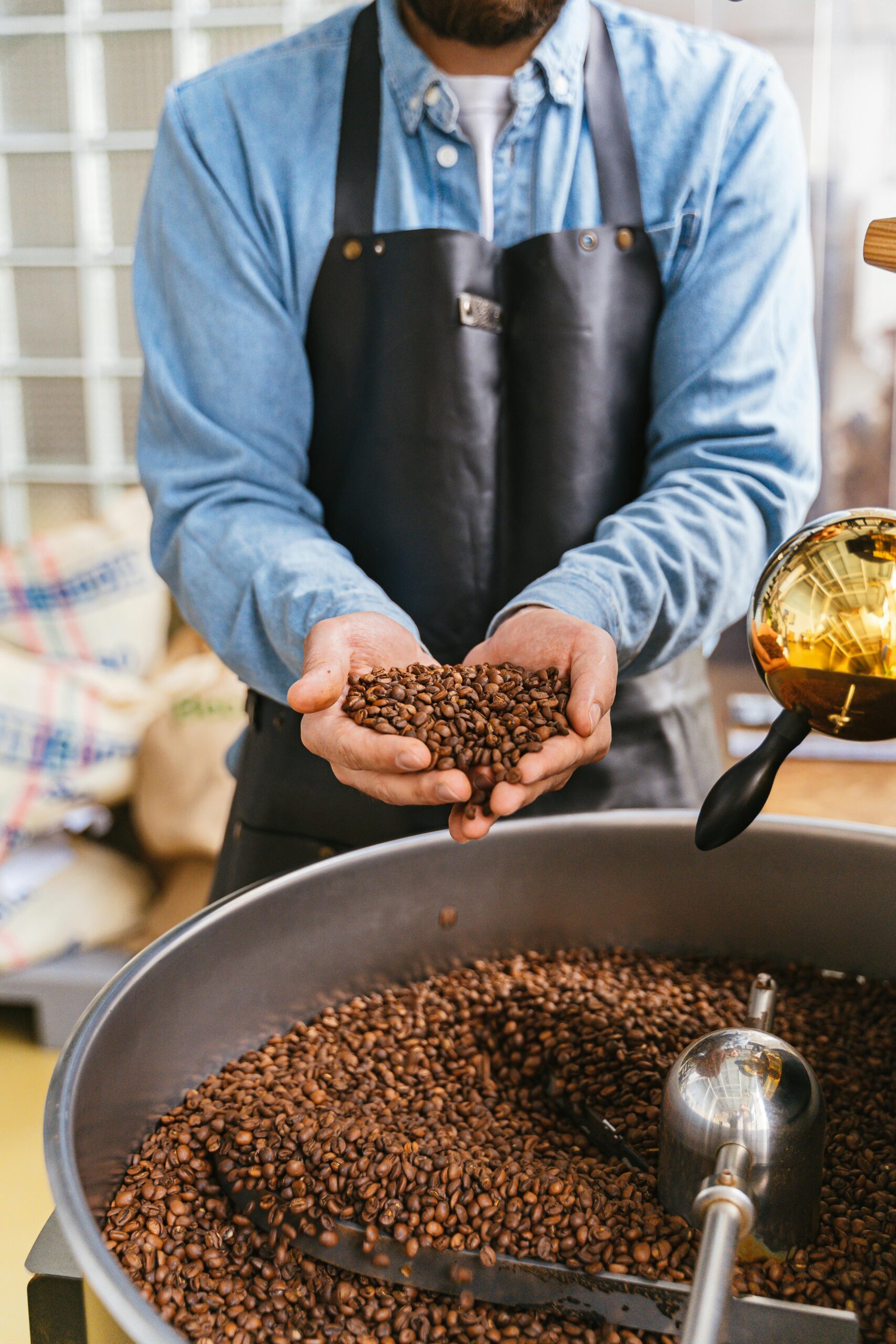
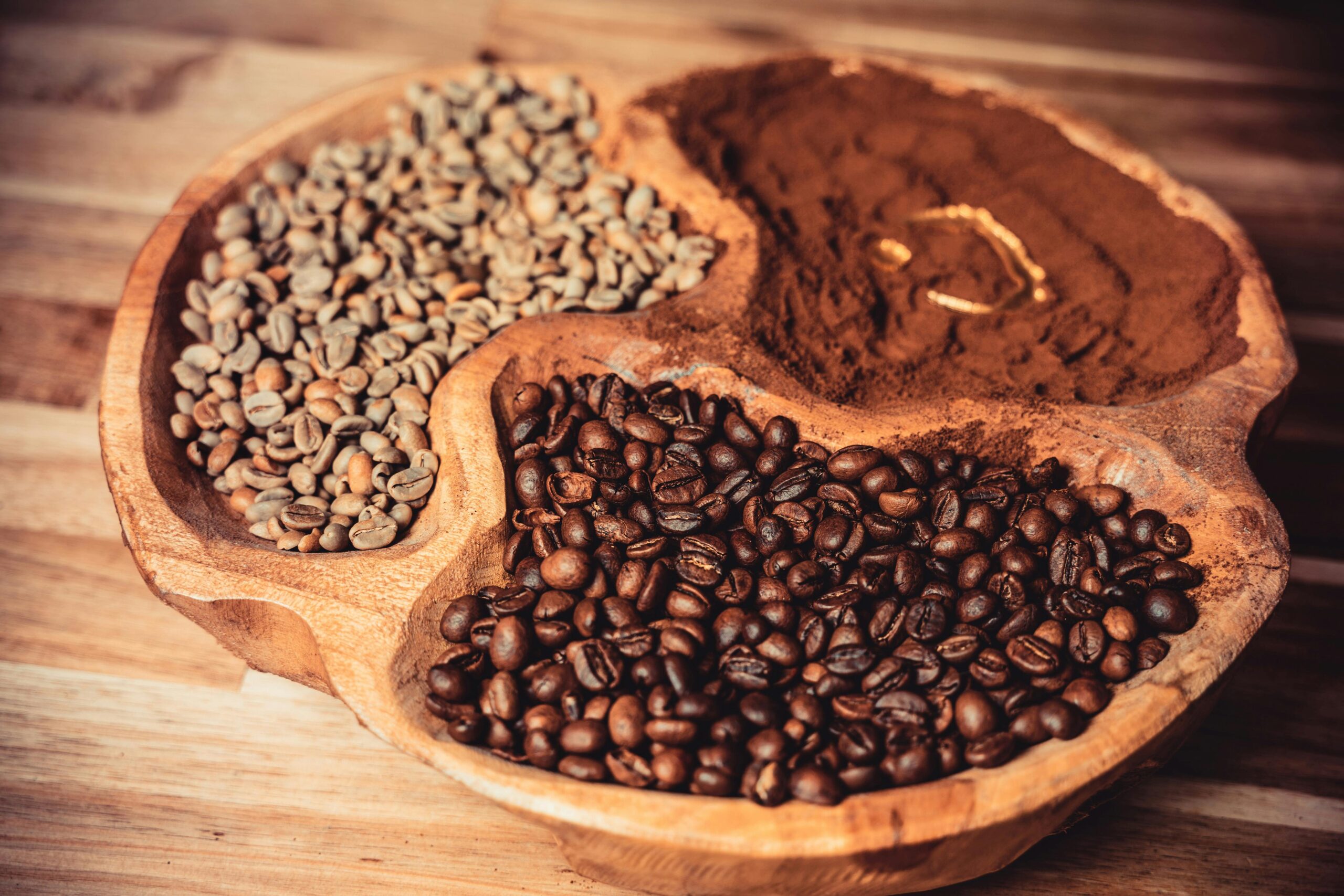
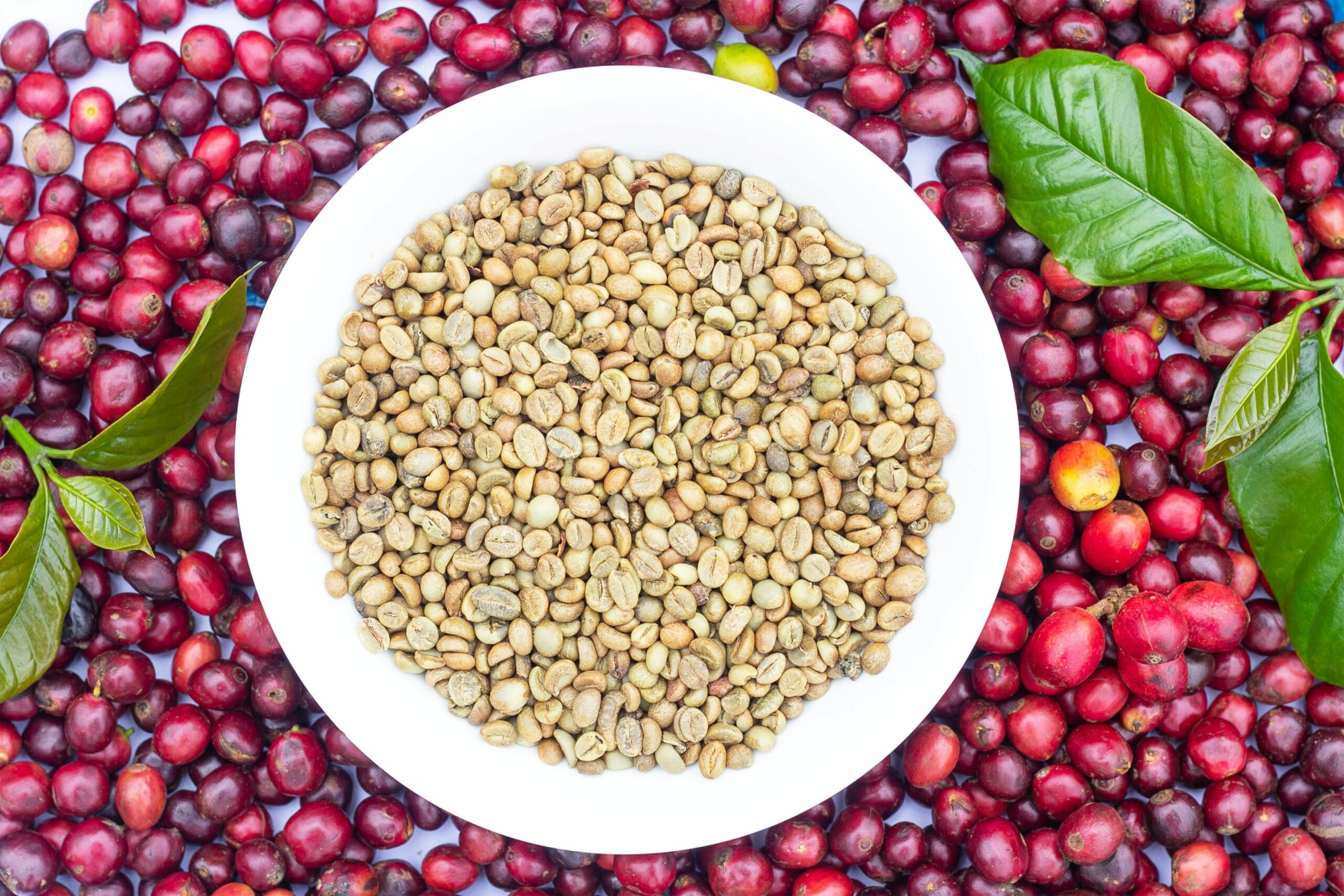
The journey of coffee begins with green coffee beans—raw, unroasted seeds from the coffee cherry. Through the roasting process, these beans undergo complex chemical transformations that bring out the unique flavors, aromas, and characteristics we associate with coffee.
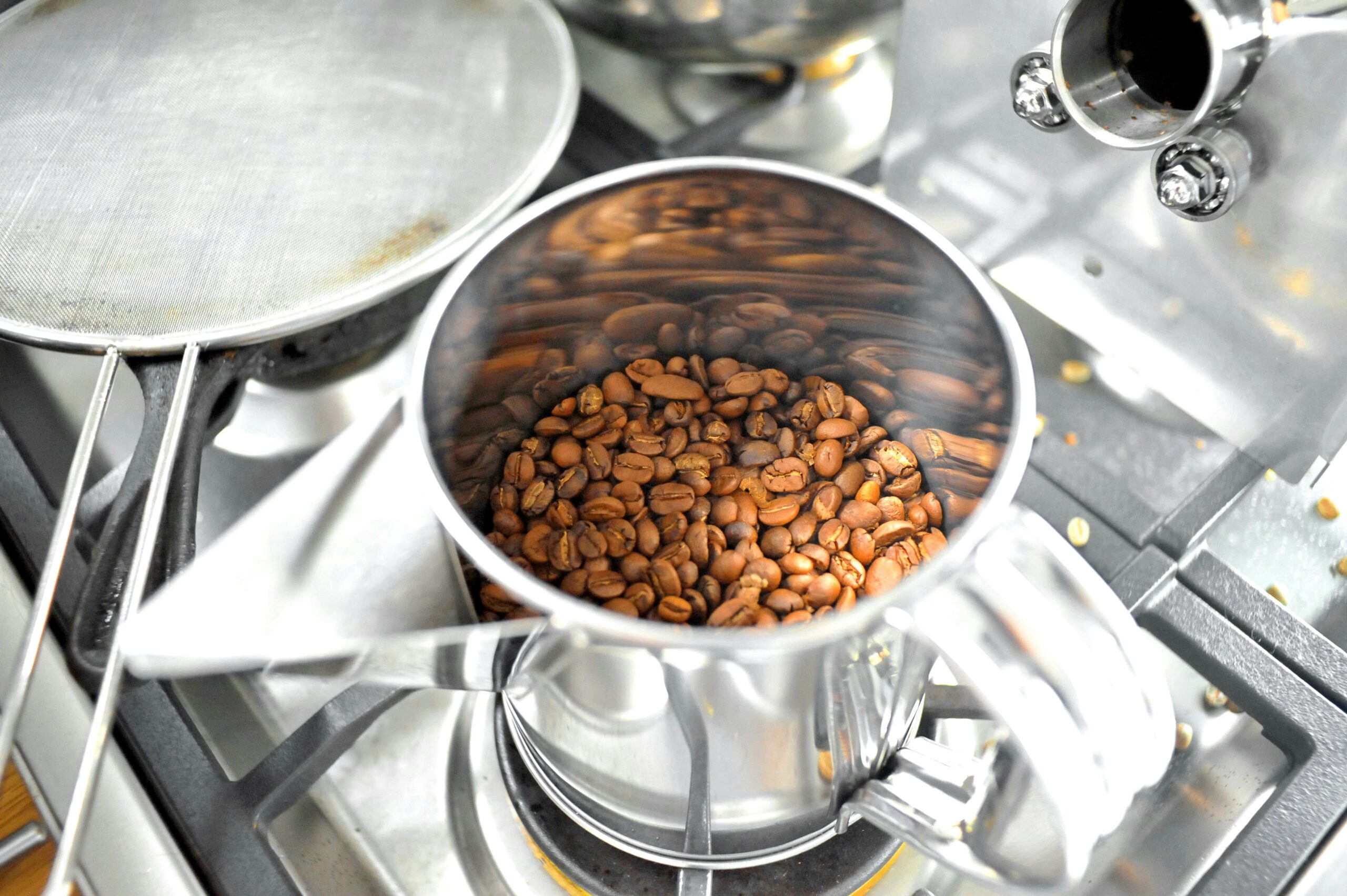
There are typically three main roast levels: light, medium, and dark. The beans typically pop (known as “cracks”) at key stages during roasting, with the first crack indicating a light roast, and the second crack leading to a dark roast. Roast level is heavily influenced by time, temperature, and the type of roasting equipment used. Lower temperature roasts preserve more of the coffee’s origin flavors, while higher temperatures produce a deeper, more roasted taste.
Light Roast Coffee: Characteristics and Health Insights
Light roast coffee, also referred to as lightly roasted beans, is roasted for a shorter period and at a lower temperature. The beans retain a light brown color with no surface oil, and offer a light body with high acidity.
Flavor Profile:
- Bright and vibrant
- Complex flavor profile
- Preserves origin flavors and regional tasting notes
Health Implications:
- Higher levels of chlorogenic acids, which have antioxidant and anti-inflammatory properties
- Easier on the stomach for some due to lower oil content
Caffeine Content: Contrary to popular belief, light roast coffee often contains more caffeine by volume than dark roast. This is because the beans are denser due to less expansion during roasting.
Best Brewing Methods:
- Pour-over
- Drip coffee
- Cold brew (for a smoother, high-caffeine drink)
Light roast is ideal for those who appreciate subtlety, acidity, and a light body in their cup.
Dark Roast Coffee: Richness, Body, and Flavor
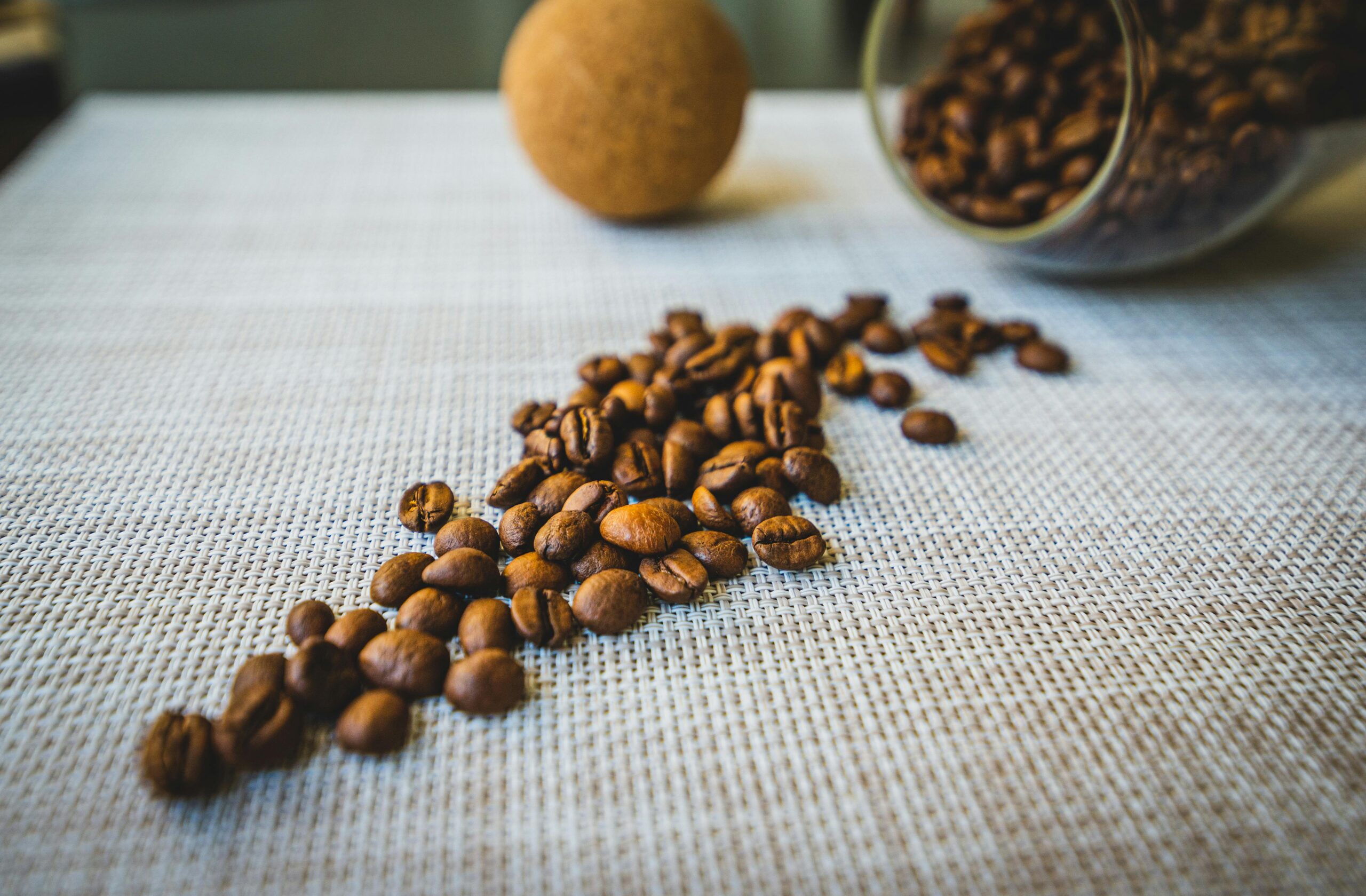
Dark roast coffee beans are roasted for a longer time and at higher temperatures, often past the second crack. These beans appear dark brown or almost black and often have an oily surface.
Flavor Profile:
- Deep but simple flavors
- Smoky taste with notes of chocolate or toasted nuts
- Pronounced bitterness, less acidity
Health Implications:
- Contains slightly fewer antioxidants due to the breakdown of chlorogenic acids
- May be gentler on sensitive stomachs due to reduced acidity
Caffeine Content: Though the taste is bolder, dark roast coffee does not necessarily contain more caffeine. In fact, by weight, it often contains the same amount or slightly less due to the bean expansion during roasting.
Popular Dark Roasts:
- French roast
- Italian roast
- Espresso roast (often used in espresso drinks)
Best Brewing Methods:
- French press
- Espresso machines
- Cold brew (results in a rich, low-acid drink)
Dark roast coffee tends to have a thicker body and is favored by those who enjoy bold, rich cups with less acidity.
Comparing Caffeine Content: Light vs. Dark Roasts
The difference between light and dark roasts, in terms of caffeine content, is subtle but often misunderstood. Light roast coffee tends to contain slightly more caffeine by volume because the beans are denser. However, when measured by weight, both roast types offer roughly the same amount of caffeine.
Caffeine extraction also depends on the coffee-to-water ratio, brew method, and grind size. For those looking for more caffeine, lightly roasted beans used in drip coffee or cold brew offer an efficient caffeine delivery system.
Health Implications: Which Roast Is Better for You?
From a health standpoint, both light and dark roasts offer benefits. Light roast coffee contains more antioxidants like chlorogenic acids, due to being roasted at a lower temperature. These compounds are known for their anti-inflammatory and neuroprotective properties.
Dark coffees, though lower in antioxidants, are often easier on sensitive stomachs due to their lower acidity. Additionally, dark roast coffee may help with antioxidant absorption in the body, according to some studies.
Ultimately, the health impact depends on your personal sensitivities and how your body reacts to different roasts.
Explore Roast Types Hands-On at Current Crop
Want to experience the difference between light and dark roast firsthand? At Current Crop in New Orleans, you can take our classes that immerse you in the art and science of coffee roasting.
Our Home Roasting classes let you roast your own green coffee beans using a Fresh Roast air roaster. You’ll learn how the roast level—from light to dark—affects flavor profiles, body, and even caffeine content. Watch as the beans typically pop during each stage and see how that translates into a finished cup.
We also offer Coffee Cupping classes, where you can compare light and dark roasts side-by-side to explore the nuanced differences in taste, aroma, and mouthfeel. Want to learn how brewing methods impact your experience? Try our Beginner Brew Methods class, covering pour over, French press, and drip coffee techniques for different roast levels.
Whether you’re curious about the lower caffeine content of dark roast coffee or the pronounced bitterness of dark roast beans, these hands-on classes will help demystify coffee roasting and empower you to find the perfect roast for your taste and health goals.
Choosing the Right Roast for You
Selecting the best roast comes down to your personal preferences:
- Prefer a complex flavor profile with fruity or floral notes? Go for a light roast.
- Crave a smoky taste with a bold body? A dark roast or French roast might be your match.
- Want a balance of origin flavors and roasted richness? A medium-roast coffee hits the sweet spot.
Consider the coffee’s country of origin, your preferred brewing method, and how sensitive you are to acidity or bitterness. You can even experiment with the same green coffee beans roasted to different levels using home roasting equipment.
Final Thoughts
When comparing light vs. dark roast, there’s no universally better option—only what suits your taste, health needs, and caffeine goals. Understanding the difference between light and dark roast helps you make informed decisions, whether you’re buying coffee beans, selecting a brewing method, or attending a roasting class.
Thanks to our team at Current Crop Roasting Shop, you can go beyond reading and actually experience these differences through guided, hands-on classes. So, whether you’re drawn to the bold, thick body of dark roast coffee or the bright, distinctive flavors of a light roast, one thing is certain: there’s a perfect cup for every coffee lover.