You’ve invested in quality beans, perfected your brewing technique, and timed your extraction down to the second. Yet somehow, your coffee still tastes off. Before you blame your beans or your brewing method, consider this: the water you’re using might be the culprit. Water makes up about 98% of your finished cup of coffee, which means its quality has an enormous impact on the final flavor you experience.
Understanding how water affects coffee taste isn’t just for coffee snobs or professionals—it’s essential knowledge for anyone who wants to enjoy a better cup at home. The good news? Once you understand the basics of water chemistry and coffee, you can make simple adjustments that will dramatically improve your daily brew.
Why Water Quality Matters More Than You Think
When we talk about water quality in coffee, we’re really discussing the dissolved minerals and compounds that exist in your tap water. These invisible elements interact with coffee in complex ways, either enhancing its natural flavors or masking them entirely. Pure H2O alone won’t extract coffee properly—you actually need some minerals present to help pull out the flavors locked inside your grounds.
Think of water as a solvent. During brewing, it extracts hundreds of flavor compounds from coffee grounds, including acids, sugars, and oils. The mineral content of your water determines how efficiently this extraction happens and which flavors get emphasized in the final cup. Too few minerals, and your coffee will taste flat and lifeless. Too many, and it becomes muddy and bitter.
The temperature of your location’s source water, whether it comes from a well, river, or reservoir, along with the treatment processes it undergoes, all affect what ends up flowing from your tap. This is why the same coffee can taste remarkably different when brewed in different cities or even different neighborhoods.
The Key Elements That Affect Coffee Flavor
Mineral Content
Water hardness refers to calcium and magnesium levels in your water. These minerals help extract flavor compounds from coffee grounds. Too little creates sharp, thin coffee. Too much results in chalky, bitter flavors. The sweet spot is between 50-175 ppm (parts per million) of calcium carbonate—most tap water falls within or near this range.
pH Balance
Your water’s pH affects extraction. Water that’s too alkaline pulls out bitter flavors, while acidic water emphasizes sourness. Neutral water (around pH 7) lets coffee’s natural flavors shine through without interference.
Chlorine and Contaminants
Municipal water contains chlorine for disinfection, but it adds a chemical taste that clashes with coffee’s delicate flavors. Other culprits include iron (metallic taste), sulfur (eggy smell), and organic matter. These are often why coffee tastes different when you travel.
How to Improve Your Water for Better Coffee
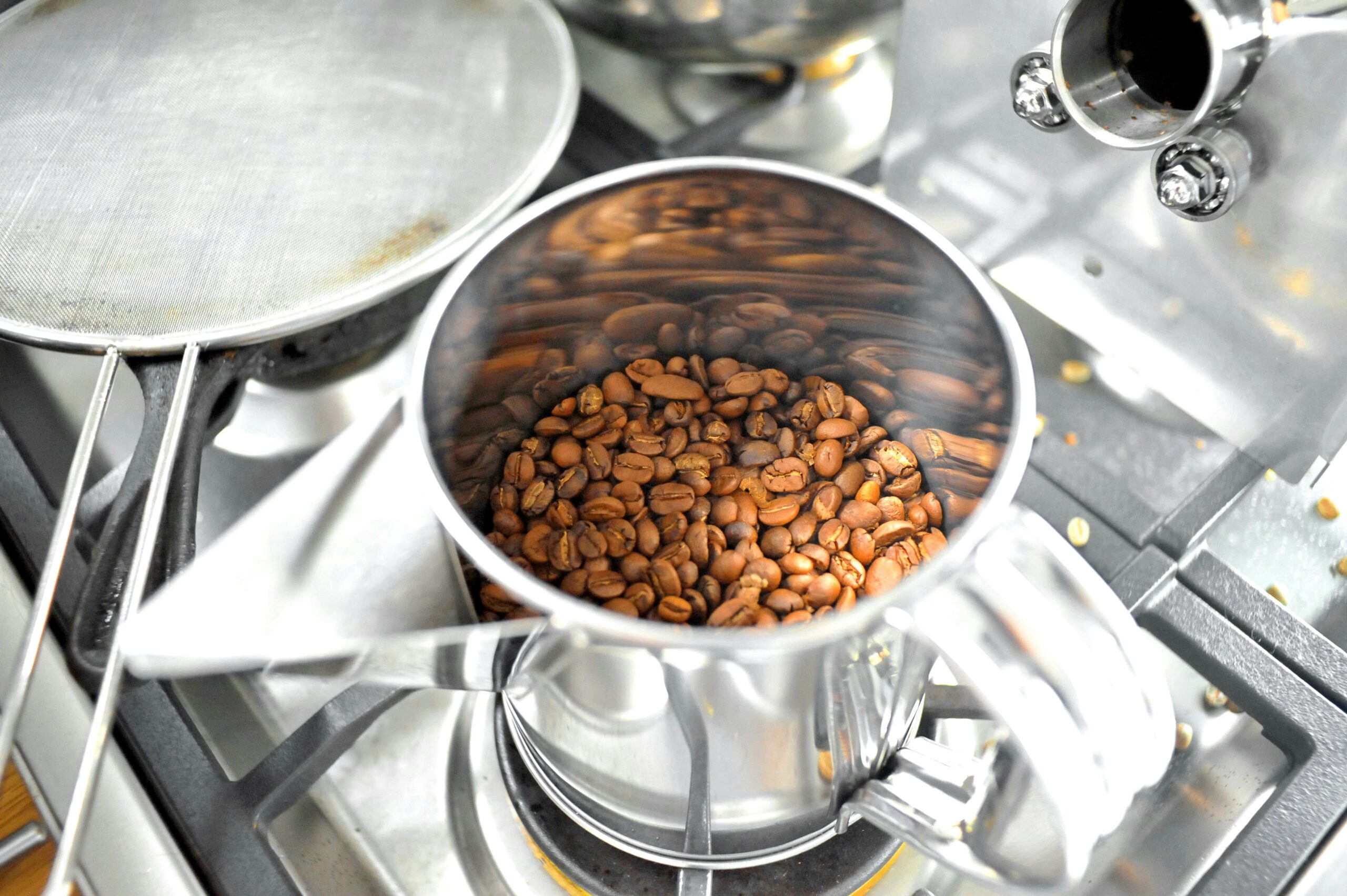
The path to better-tasting coffee often starts with better water. Here are practical steps anyone can take to brew better coffee, whether you’re using pre-roasted beans of learning to roast at home:
Use a Simple Filter
An activated carbon filter—like a pitcher filter or faucet attachment—removes chlorine and organic compounds that ruin taste. This affordable upgrade makes an immediate difference. For most home brewers, this single change creates the biggest improvement.
Add Minerals Back
If you have very soft water or use a reverse osmosis system, you can use remineralization packets designed specifically for coffee brewing. These add back the ideal balance of minerals needed for optimal extraction, turning any water into the perfect brewing base.
Test Your Water
Inexpensive testing kits from hardware stores reveal your water’s hardness, pH, and chlorine levels. This helps you understand what needs adjusting. Knowledge is power when it comes to brewing better coffee.
Try Different Waters
Certain bottled spring waters work well for brewing. Look for labels showing 100-200 ppm total dissolved solids. Avoid distilled water (lacks necessary minerals) and alkaline water (pH too high for proper extraction).
The Connection Between Water and Coffee Roasting
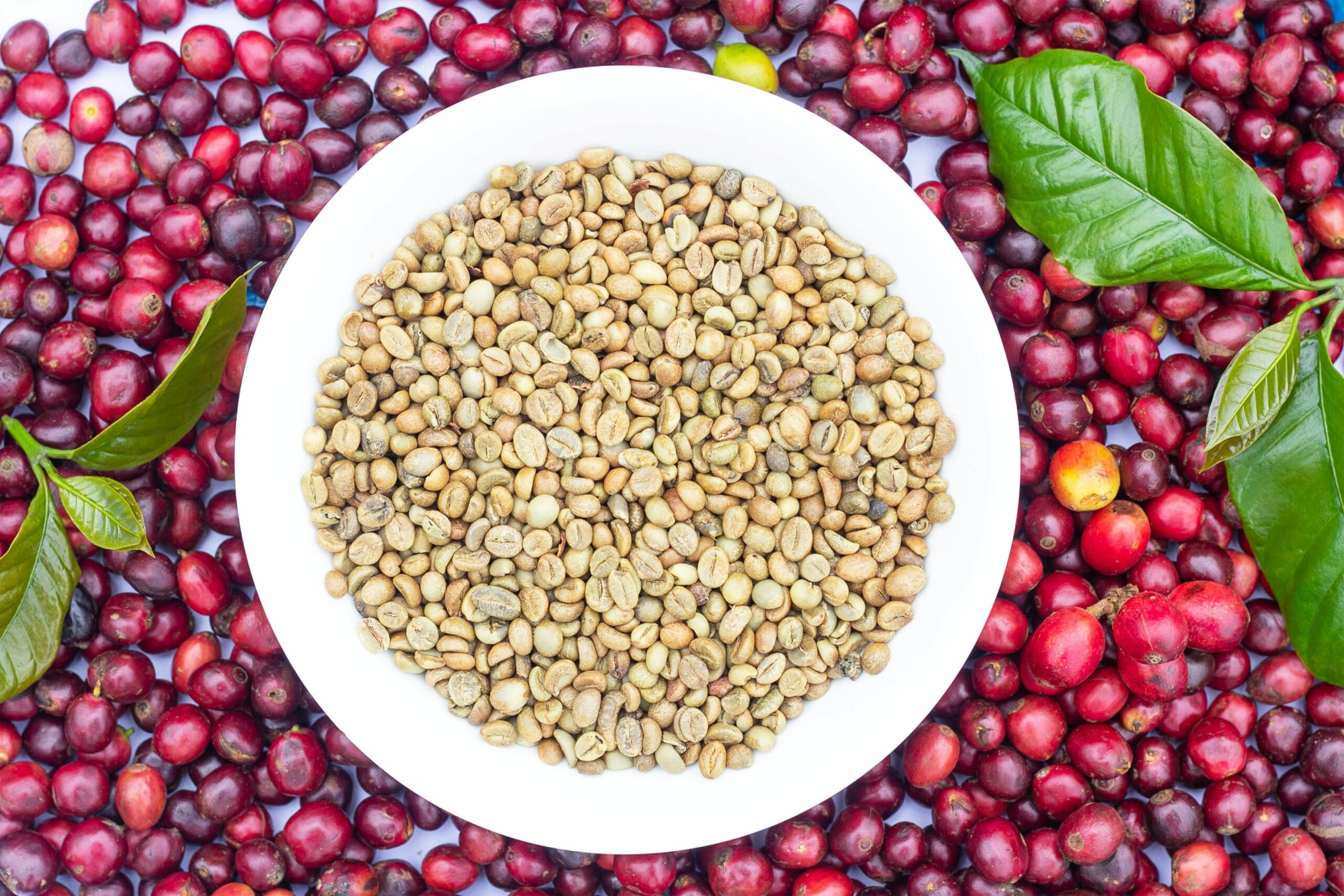
Here’s something many coffee drinkers don’t realize: water quality doesn’t just matter when you brew—it also plays a role in how beans are roasted. Professional roasters and serious home roasters understand that the coffee beans themselves absorb moisture from the air, and this moisture can affect how they roast. While this is a more advanced consideration, those interested in home roasting quickly discover that environmental factors, including humidity influenced by local water, impact the roasting process.
When you roast your own beans, you gain complete control over the entire coffee-making process—from green bean to finished cup. This allows you to experiment with different origins and roast levels while using water that’s optimized for your specific taste preferences.
Experimenting to Find Your Perfect Cup
The beautiful thing about understanding water quality is that it opens up new avenues for experimentation. Once you’ve established a baseline with filtered, properly mineralized water, you can begin to explore how subtle changes affect different coffees.
Try brewing the same coffee with different water sources and compare the results. You might discover that certain origins or roast levels shine with harder water, while others prefer softer water. Ethiopian coffees, known for their bright, floral notes, often taste best with slightly softer water that doesn’t mute their delicate flavors. Meanwhile, darker roasts from Indonesia might benefit from harder water that can cut through their heavier body.
Keep notes on what you discover. Record the water you used, the coffee origin and roast level, your brewing method, and your tasting observations. Over time, you’ll develop an intuitive sense of how to match your water to your coffee for optimal results. Experimenting with different coffee bean origins is a great way to discover how water interacts with various flavor profiles.
The Bottom Line
Water quality is the invisible factor that can make or break your coffee experience. By understanding the role of minerals, pH, and contaminants, you gain the power to consistently brew better coffee at home. The investment required—whether it’s a simple carbon filter or a more sophisticated water treatment system—pays dividends with every cup you make.
Remember that coffee is deeply personal. The “best” water for coffee is ultimately the water that helps you extract the flavors you most enjoy. Start with the basic principles outlined here, experiment with different approaches, and trust your palate. When you find that perfect combination of quality beans, proper technique, and ideal water, you’ll taste the difference in every sip.
The journey to better coffee doesn’t always require more expensive equipment or exotic beans. Sometimes, the most impactful improvement is literally flowing from your tap—you just need to understand how to work with it.