You’ve bought good beans, heated your water to the correct temperature, and timed everything perfectly. But somehow, your coffee still isn’t quite right—maybe it’s too bitter, maybe too weak, or it just doesn’t have that amazing flavor you’re looking for. Before you blame your beans or your coffee maker, there’s one thing you might be missing: grind size.
Grind size is the secret ingredient that connects your coffee beans to that perfect cup you’re after. Get it right, and you’ll taste flavors you didn’t know your beans had. Get it wrong, and even expensive, high-quality beans will disappoint. The good news? Understanding grind size is easier than you think, and it’ll completely change how your coffee tastes.
Understanding Extraction: Why Grind Size Matters
When hot water hits ground coffee, it pulls out the flavors and oils—this is called extraction. Grind size controls how fast this happens by changing how much coffee surface touches the water.
Think of making tea. Whole tea leaves flavor water slowly. Crushed tea in a bag works faster. Same with coffee—fine grinds mean more surface area, so extraction happens quickly. Coarse grinds mean less surface area and slower extraction.
The trick is balance. Too little extraction (grind too coarse or brew too fast) gives you sour, weak coffee. Too much extraction (grind too fine or brew too long) makes it bitter and harsh. The sweet spot is where everything tastes balanced.
Different brewing methods need different times. The French press works on coarse grind. At 4 minutes, stir the top layer of thick grounds. At 8 minutes, plunge and enjoy.Espresso is done in 25-30 seconds, so use a fine grind.
The Grind Size Spectrum: Finding Your Match
Grind sizes range from extra coarse to extra fine. Here’s how to match them to your brewing method.
Extra coarse (like peppercorns) is for cold brew that sits 12-24 hours. Coarse (like kosher salt) works perfectly for the French press with its four-minute brew. Medium-coarse (rough sand) suits Chemex. Medium (beach sand) is your go-to for most drip machines and pour-overs—if you’re not sure, start here. Medium-fine works for faster pour-overs and AeroPress. Fine (table salt) is for espresso. Extra fine (like flour) is only for Turkish coffee, where the grounds stay in your cup.
Fresh Roasted, Freshly Ground: The Quality Connection
Here’s something many don’t realize: grind size only matters with fresh beans. Pre-ground grocery store coffee has already lost most of its flavor. Even with the perfect grind size, old coffee tastes flat.
Coffee loses flavor as soon as it’s roasted, and grinding speeds this up. Whole beans stay fresh longer. Once ground, all that surface area means flavors escape into the air quickly. That’s why coffee lovers grind right before brewing.
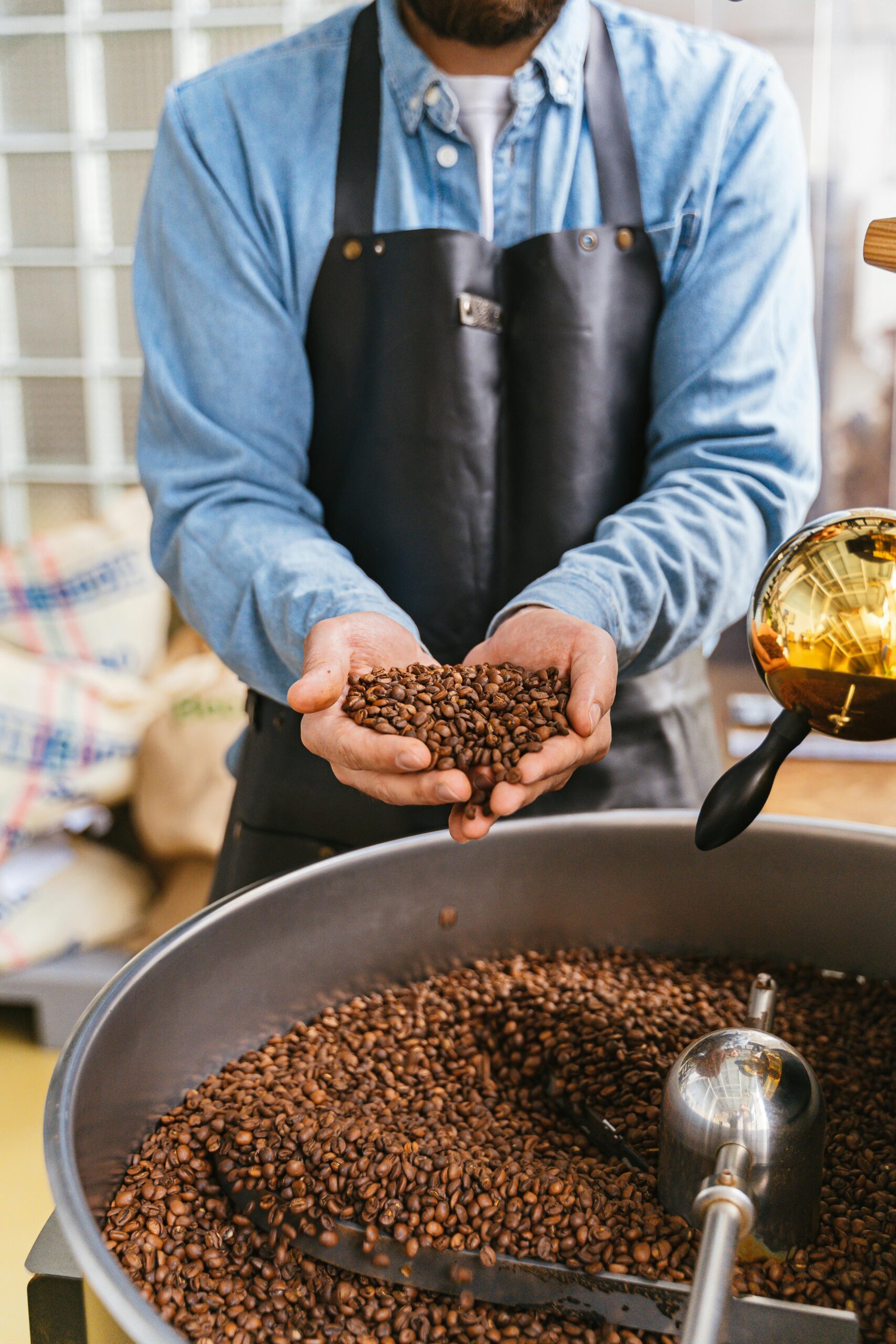
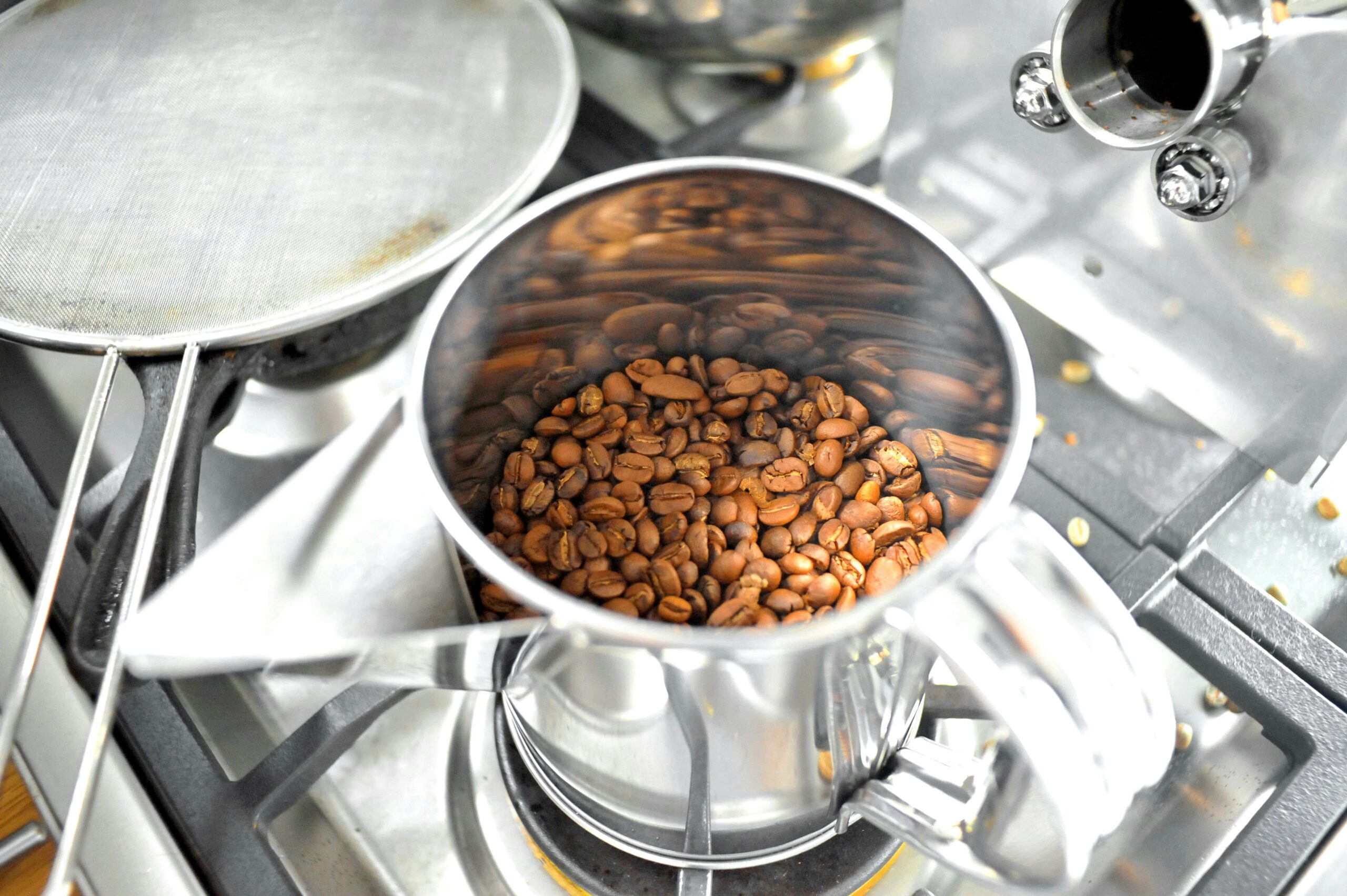
Some people roast their own beans at home. With equipment like the Aillio Bullet roaster, you can roast small batches whenever you need them. Your beans are at their freshest when you grind and brew. Coffee roasted yesterday tastes completely different than coffee roasted a month ago—the right grind size gets every bit of flavor out.
Common Grind Size Mistakes and How to Fix Them
Even people who’ve been brewing coffee for years sometimes get the grind size wrong. Here’s how to spot the problems and fix them.
If your coffee tastes sour, weak, or watery, you haven’t extracted enough flavor. Your grind is too coarse, or you’re not brewing long enough. Fix it by grinding a bit finer or letting it brew 30 seconds longer. Make small changes and taste after each adjustment.
If your coffee tastes bitter or harsh, you’ve extracted too much. Your grind is too fine, or you’re brewing too long. Fix it by grinding a bit coarser or brewing for less time. Again, small tweaks work best—coffee is all about finding that perfect spot.
If you’re getting gritty sediment in your cup, your grinder is creating too many tiny particles mixed in with the size you want. This makes some parts extract too fast and others too slow. The fix? Upgrade to a better grinder. Burr grinders (where beans are crushed between two plates) give you much more consistent size than blade grinders (which just chop randomly).
Experimentation and Education: Developing Your Skills
Reading about grind size is helpful, but the real learning comes from trying it yourself. Buy one bag of coffee and make it several different ways, changing only the grind. Taste how each one turns out. You’ll quickly learn what under-extracted and over-extracted coffee tastes like.
If you want to go deeper, coffee roasting classes teach you about the whole coffee process—not just roasting, but grinding and brewing too. You’ll learn how to pick good beans, understand what roasting does to flavor, and figure out all the things that affect how your coffee tastes. Most importantly, you’ll train your taste buds to recognize when something needs adjusting.
Remember: coffee brewing is part science, part personal preference. Science tells you coarse for French press, fine for espresso. Personal preference is where you adjust things to match your specific beans, your water, your equipment, and most importantly, what you like to drink.
Putting It All Together
Grind size is your secret weapon for better coffee. It costs nothing to adjust, yet it makes all the difference. Start by matching your grind to your brewing method. Then taste, adjust, and taste again until it’s perfect.
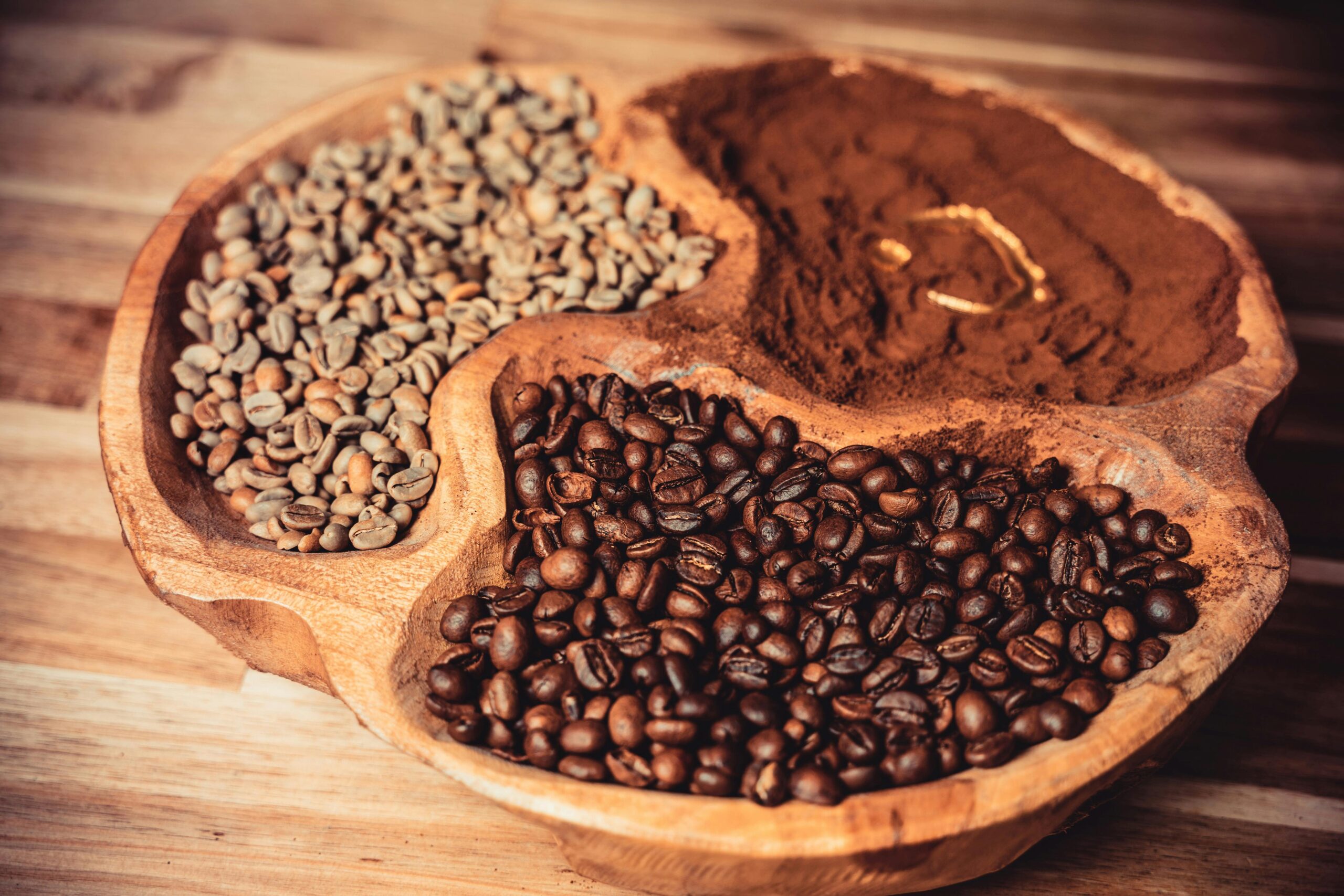
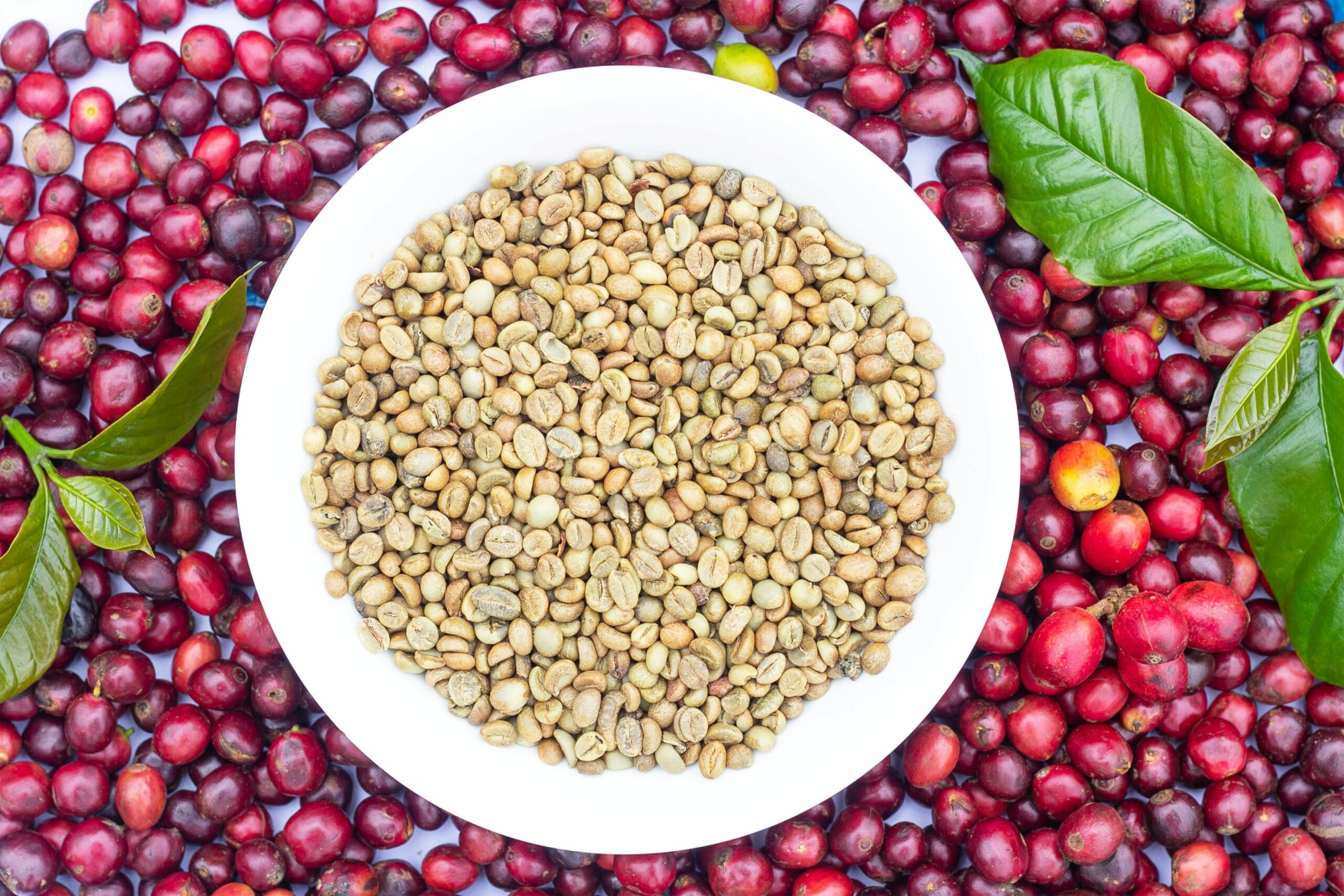
A good burr grinder is the best upgrade you can make. Grind right before brewing to keep the flavor fresh. Think about the whole process: starting with quality unroasted coffee beans, roasting them correctly, grinding to the correct size, and brewing properly. Everything works together.
Fresh beans ground the right way will give you flavors you never knew coffee could have—bright citrus, sweet berries, rich chocolate, delicate flowers. Getting from okay coffee to amazing coffee isn’t hard, but you do need to pay attention to the details. Now you know the grind size secret.