Welcome to Coffee Roasting 101, where the journey from green coffee beans to your perfect cup begins. Coffee roasting is a captivating blend of art and science, essential for unlocking the unique flavors and aromas of each bean. By understanding different roast levels—from light to dark—you can elevate your coffee experience and discover the profiles that suit your taste best.
Whether you’re a novice or a seasoned coffee enthusiast, learning the intricacies of roasting will deepen your appreciation for every sip. Let’s dive into the fascinating world of coffee roasting and explore how you can master this craft.
Understanding Coffee Beans
Types of Coffee Beans: Arabica vs. Robusta
Coffee beans come in two main varieties: Arabica and Robusta. Arabica beans are prized for their smooth, complex flavors and are commonly used in light roasts. Robusta beans, with their bold and bitter profile, are often found in dark roasts and espresso blends due to their higher caffeine content and robust flavor.
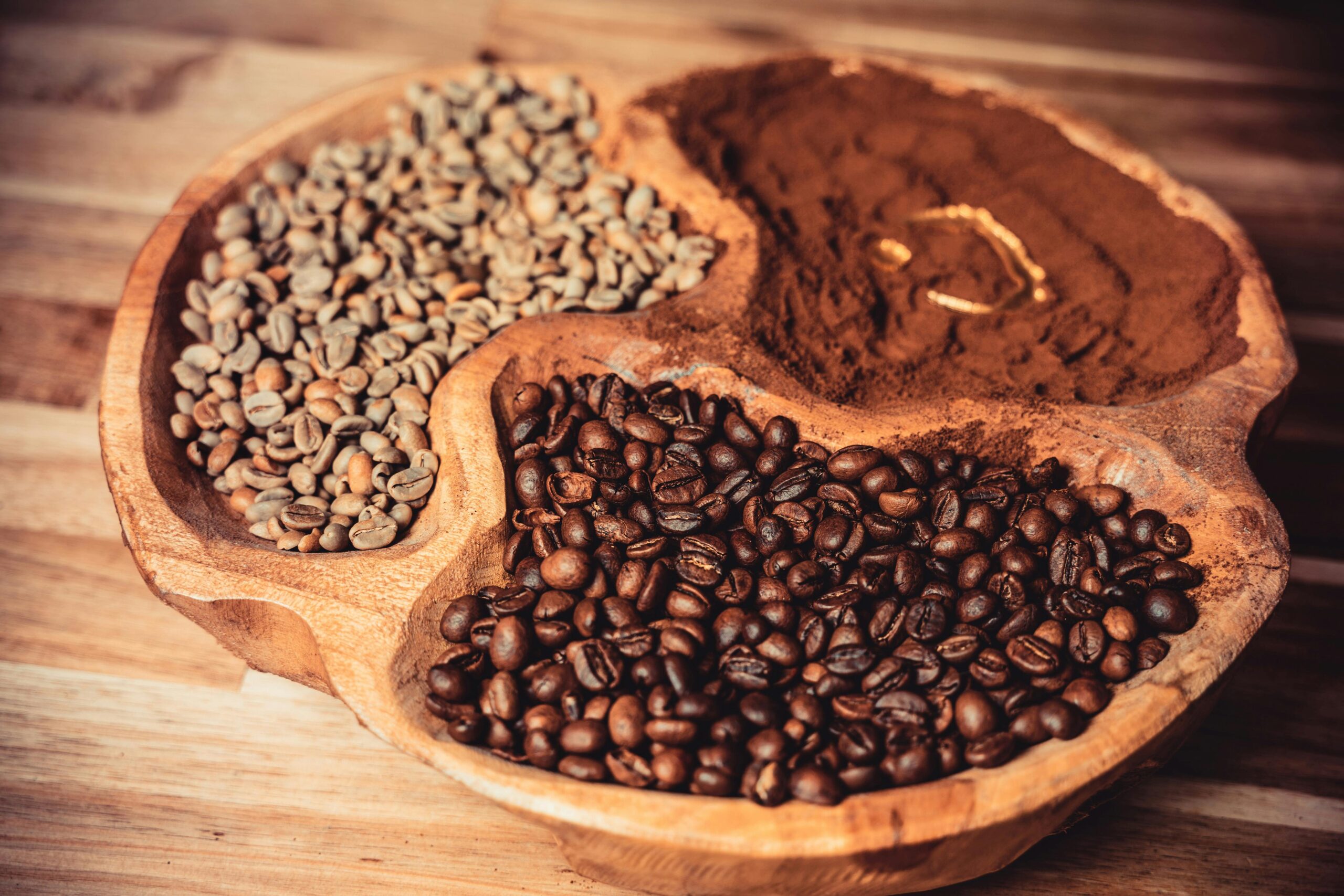
Introduction to Green Coffee Beans
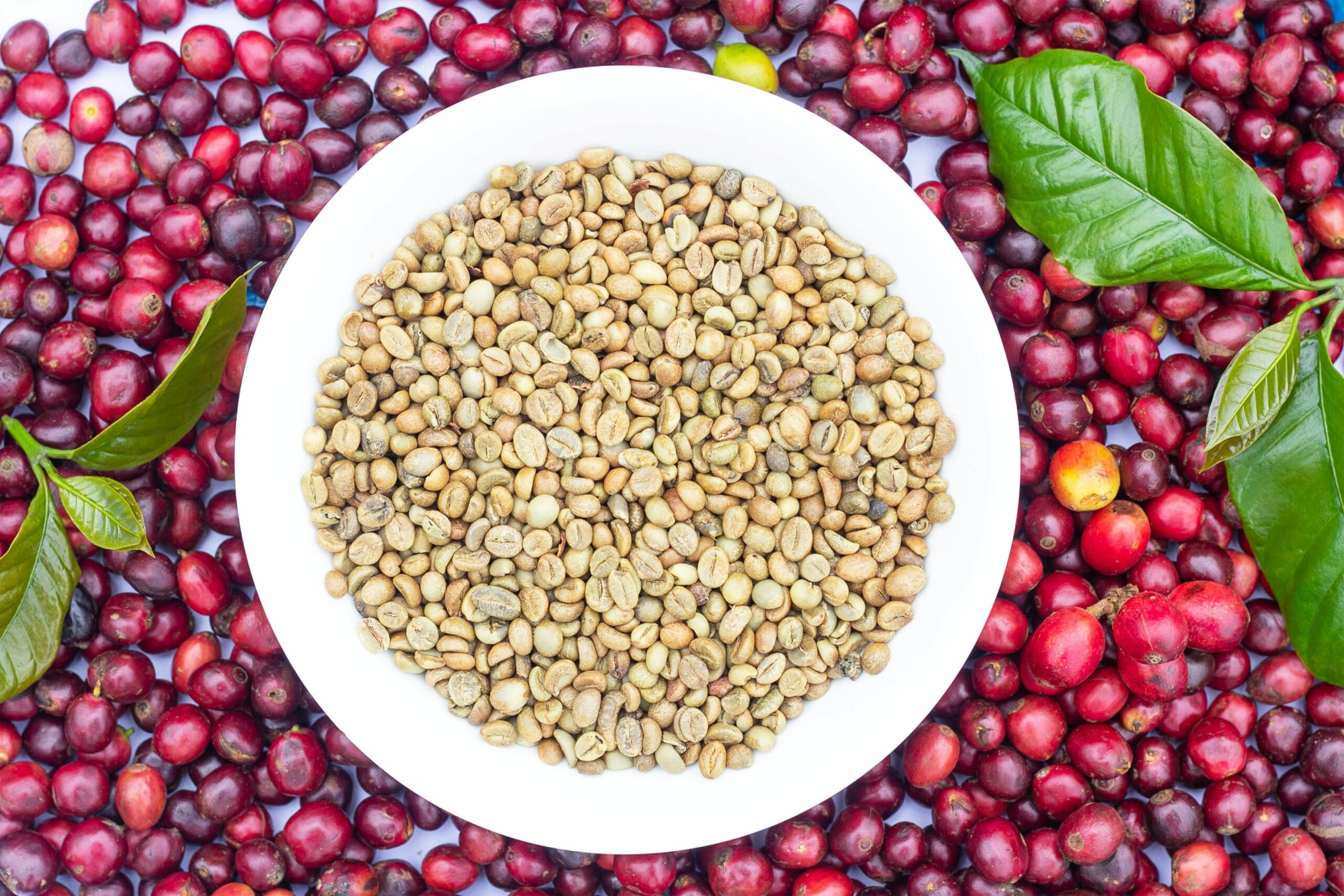
Green coffee beans are the unroasted seeds of the coffee cherry. These beans hold the potential for flavor development during roasting. The quality and origin of green coffee beans greatly influence the final taste, making them crucial in the roasting process.
Specialty Beans:
- Mysore Nuggets Coffee Beans: India Mysore undergoes a simple de-pulping and drying process, resulting in a rich flavor with chocolate, graham cracker, and nutmeg notes.
- Haitian Blue Coffee Beans: This coffee is similar to Jamaican Blue Mountain coffee, offering a mellow, smooth, and creamy taste with nutty and almond flavors. It has low acidity, medium complexity, and a sweet finish.
- South America Coffee Beans: Delightfully fruity with a balanced richness. Notes of currants, plums, and a hint of chocolate with a satisfying finish.
The Roasting Process
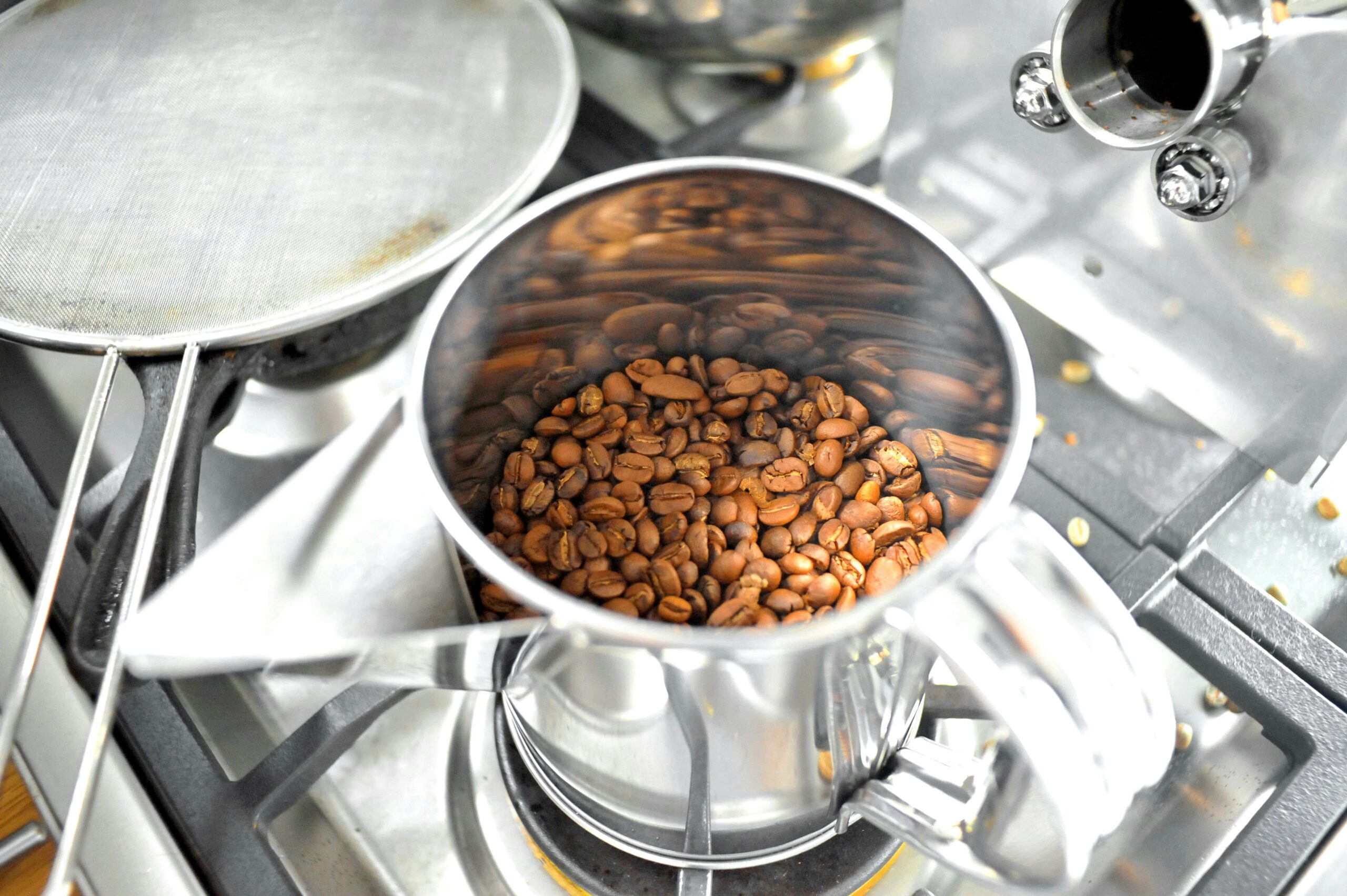
Coffee roasting transforms green coffee beans into the flavorful beans we enjoy. The process involves several key stages:
- Drying Phase: Beans lose moisture and turn yellow.
- Maillard Reaction: Sugars and amino acids react, developing complex flavors and aromas.
- First Crack: Beans expand and crack, indicating the start of light roasts.
- Development Phase: Flavors deepen, leading to medium and medium-dark roasts.
- Second Crack: Beans crack again, creating dark roasts with a robust flavor.
Heat plays a critical role in each stage, impacting the roast profile and the bean’s final flavor. For a hands-on experience, consider exploring coffee roasting classes, which can be a great indoor activity in New Orleans, especially on rainy days. For more ideas, check out things to do in New Orleans when it rains.
Roast Levels and Profiles
Understanding the various roast levels is essential for appreciating the diverse flavors and aromas of coffee. Each roast level, from light to dark, brings out unique characteristics in the beans.
Light Roasts: These roasts have a light brown color and no oil on the surface. They preserve the beans’ natural flavors, often featuring fruity and floral notes. Examples include Cinnamon Roast and Light City.
Medium Roasts: Medium brown with a balanced flavor, medium roasts develop a fuller body without overshadowing the beans’ inherent characteristics. They often have a bit of sweetness and more pronounced acidity. Examples are City and Breakfast Roasts.
Medium Dark Roasts: These roasts have a richer, darker color with some oil on the surface, bringing out deeper caramel and chocolate notes. They balance body and acidity well, as seen in Full City Roast.
Dark Roasts: Dark brown to almost black with an oily surface, dark roasts have a bold, smoky flavor. The roasting process eclipses the original bean flavors, emphasizing roast character. Common types are French Roast, Spanish Roast, and Espresso.
How Roast Levels Affect Flavor and Aroma
Roast levels significantly impact the flavor and aroma of coffee beans. Light roasts highlight the beans’ natural characteristics, providing a delicate and nuanced flavor profile. Medium roasts balance these characteristics with enhanced sweetness and body. Medium dark roasts deepen the flavors, introducing caramelized and chocolatey notes. Dark roasts dominate the flavor profile with strong, smoky, and sometimes bitter notes, overshadowing the beans’ original qualities.
Exploring different roast levels allows you to discover the unique characteristics and flavors that each roast profile offers, enhancing your coffee experience. For a hands-on learning opportunity, consider attending a coffee roasting class at Current Crop Roasting.
Equipment for Roasting Coffee at Current Crop Roasting Shop
Choosing the right equipment is essential for successful coffee roasting. Whether you’re roasting at home or on a commercial scale, the equipment you use can significantly impact the quality of your roast.
Home Roasters: Home roasting equipment ranges from simple stovetop roasters to sophisticated electric machines. These devices are designed for small batches, allowing coffee enthusiasts to experiment with different roast levels and profiles.
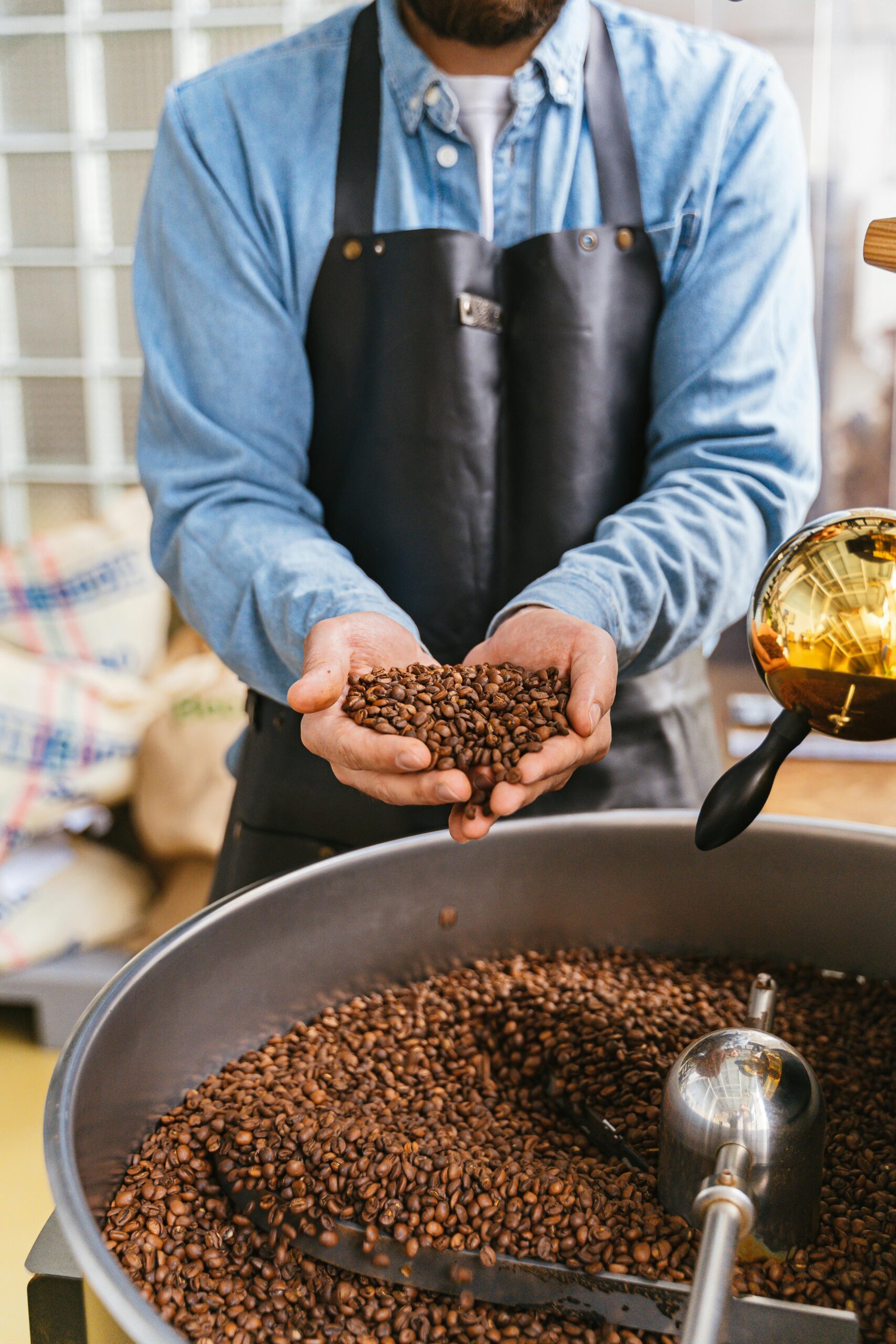
Commercial Roasters: Commercial roasters are larger and more advanced, designed for high-capacity roasting. They offer precise control over temperature, airflow, and roasting time, essential for consistent, high-quality results in a professional setting.
Using the right roasting equipment is crucial for achieving the desired roast profile. Proper equipment ensures even heat distribution, accurate temperature control, and consistent airflow, all of which are vital for developing the beans’ unique flavors and aromas.
Role of Experienced Roasters in Achieving Perfect Roasts
Experienced roasters play a key role in the roasting process. Their expertise in adjusting roast profiles and equipment settings helps achieve the perfect balance of flavors, whether aiming for a light roast with fruity notes or a dark roast with bold, smoky flavors. For those looking to refine their skills, attending a roasting class can provide valuable hands-on experience.
Conclusion
In this guide, we’ve explored the fundamentals of Coffee Roasting 101, covering the different roast levels, the roasting process, and the importance of proper equipment. Experimenting with various roast profiles—from light to dark—can help you discover your preferred flavors and aromas.
To deepen your knowledge and gain hands-on experience, consider joining a coffee roasting class at Current Crop Roasting. It’s an excellent way to enhance your skills and enjoy the rich, diverse world of coffee.