There’s a quiet magic that happens before coffee ever reaches your cup. Long before the grind, the brew, or that first satisfying sip, someone was up early sorting beans, calibrating roasters, and making a hundred small decisions that would shape the flavor of your morning ritual. For a coffee roaster, every single day is a blend of artistry and science, routine and discovery. Here’s what that day actually looks like.
Early Morning: The Setup
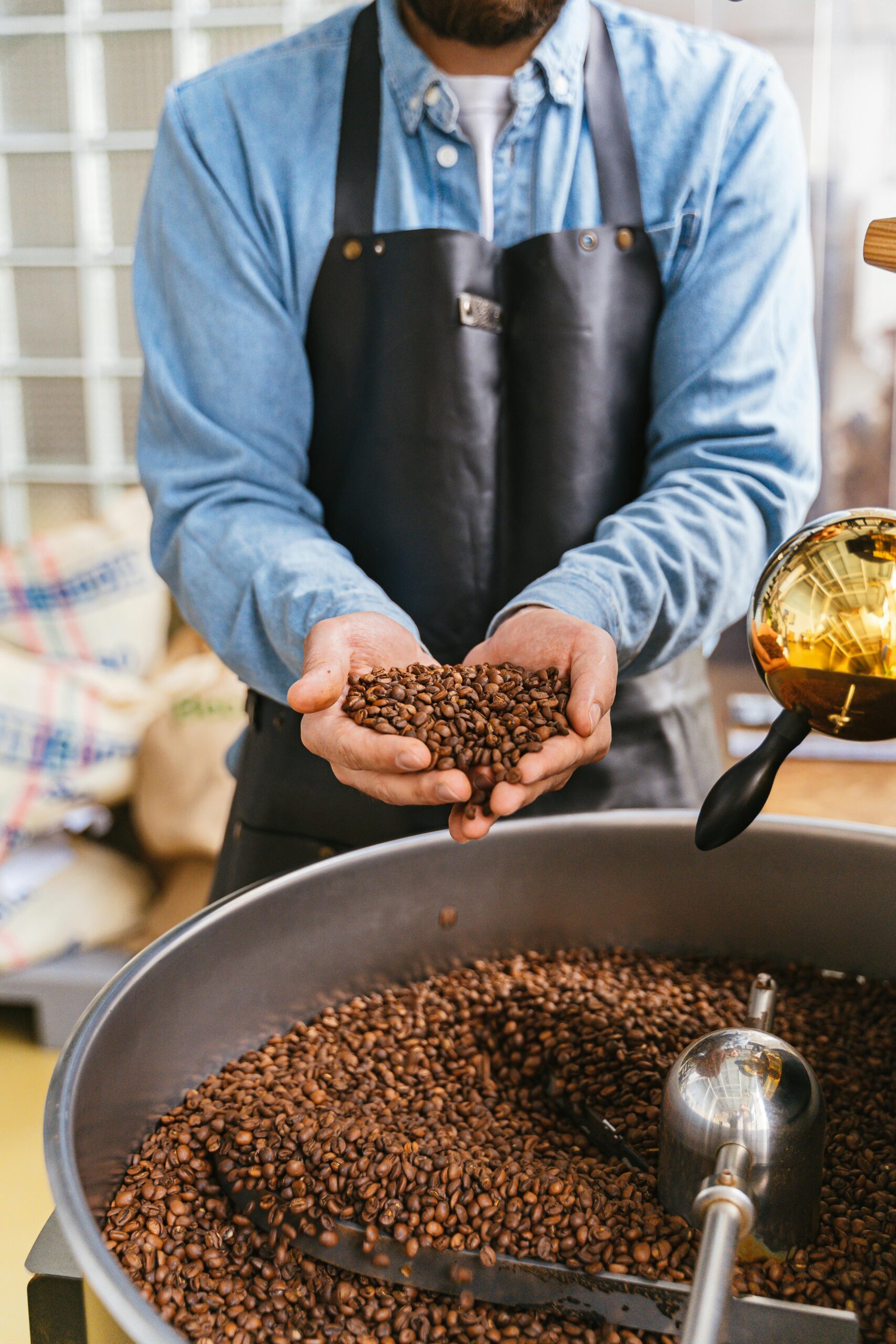
A roaster’s day begins well before the shop opens. The first task isn’t glamorous; it’s checking inventory, reviewing the day’s roast schedule, and inspecting equipment. Roasting machines need to be properly warmed up, sometimes for 30 to 45 minutes, before the first batch of beans goes in. Temperature consistency is everything, and a drum that hasn’t reached the right heat will produce an uneven roast.
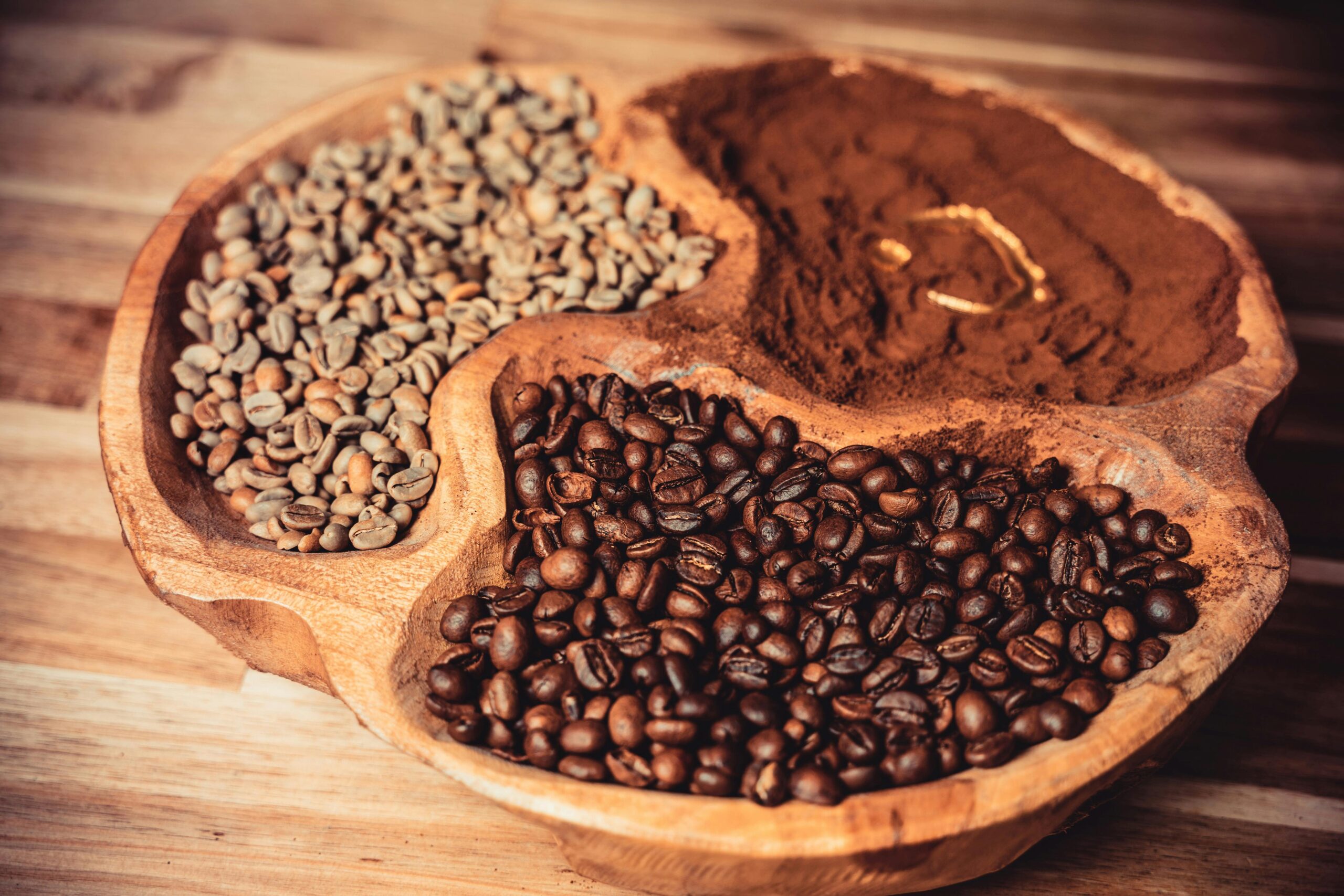
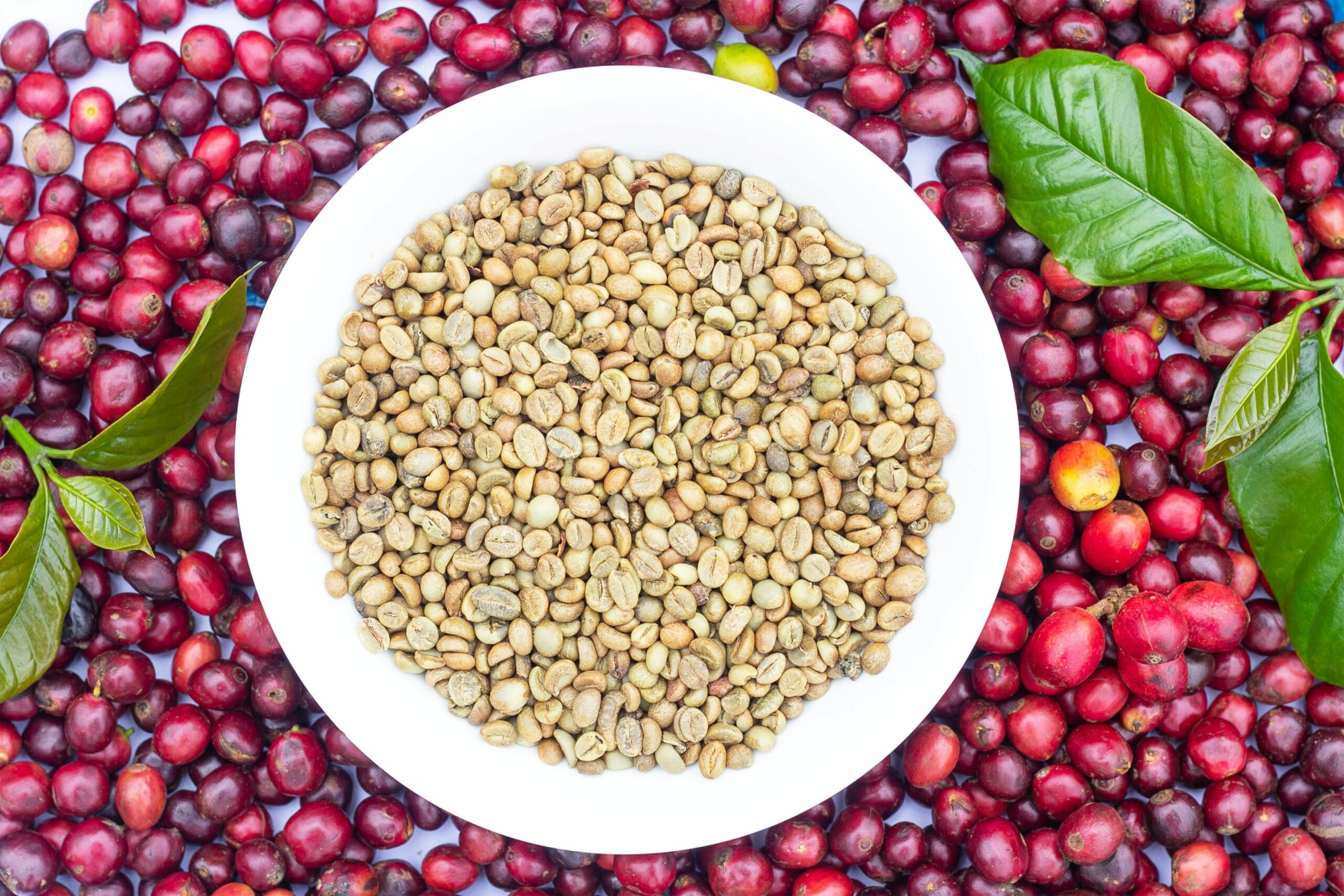
This is also the moment to assess the green beans lined up for the day’s roasts. Green coffee beans are raw, unprocessed seeds that look and taste nothing like what ends up in your bag. They’re dense, grassy-smelling, and range in color from pale yellow-green to a deeper olive hue depending on origin and processing method. A roaster will inspect them for defects, check moisture content, and note the density of the beans, all of which affect how they’ll behave under heat.
For coffee lovers in the Gulf South, the broader New Orleans coffee scene has helped cultivate a deep appreciation for this sourcing and green bean selection process, with locals increasingly curious about where their beans come from and how roast profiles affect flavor.
Mid-Morning: The Roast
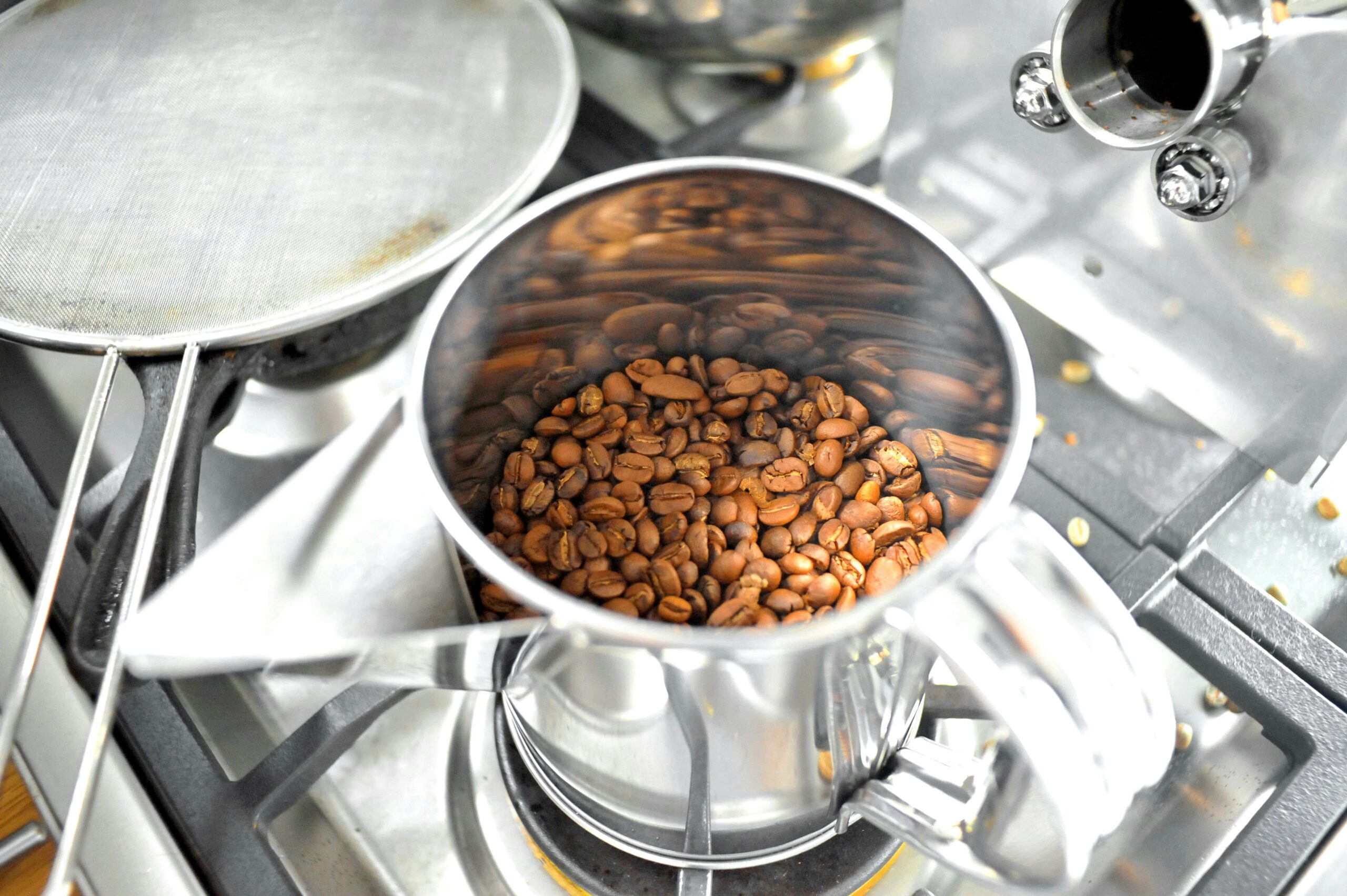
Once temperatures are dialed in, the roasting begins. A typical batch might be anywhere from half a pound to several pounds, depending on the machine, and a full roast cycle runs roughly 10 to 15 minutes. But don’t let that short window fool you, a roaster is monitoring a cascade of variables throughout: inlet temperature, drum speed, airflow, rate of rise (how quickly the bean temperature climbs), and color development.
The roast passes through several distinct stages. First, the beans dry out, losing moisture and turning from green to yellow. Then they begin to smell almost like popcorn or toast. The critical moment is first crack – a popping sound, similar to popcorn, that signals the beans have reached a light roast level. Many specialty roasters pull their beans at or just after this point to preserve the origin’s unique flavors.
Push further past first crack, through into second crack, and you’re developing darker, bolder roasts – heavier body, less brightness, more caramelized sugars. Each origin responds differently. A washed Ethiopian might shine at a lighter profile with floral, citrus notes, while a naturally processed bean from the Caribbean might reward a slightly longer development time.
Take Dominican Republic coffee beans, for example, with their smooth body, mild sweetness, and notes of chocolate and dried fruit, they often benefit from a medium roast that allows those character notes to fully open up without being burned away.
The roaster’s job is to listen, watch, smell, and decide, adjusting variables in real time based on what the beans are telling them.
Afternoon: Quality Control and Cupping
After the morning’s roasts have cooled and been bagged, the afternoon brings one of the most important and most enjoyable parts of a roaster’s day: cupping.
Cupping is the standardized method that roasters, importers, and buyers use to evaluate coffee. Ground coffee is steeped directly in hot water in small bowls, allowed to sit for four minutes, and then assessed by breaking the crust of grounds on the surface and inhaling the aroma. After a few more minutes, the taster “slurps” the coffee loudly, the spray across the palate helps pick up nuanced flavors, and begins scoring for fragrance, aroma, flavor, aftertaste, acidity, body, balance, and overall impression.
For roasters, this daily or weekly ritual isn’t just quality control, it’s how you learn. Comparing two roasts of the same bean at different development times, or evaluating a new origin against a familiar one, builds the sensory vocabulary that makes a roaster better at their craft. And it’s a skill that anyone can start developing. Many specialty coffee shops and roasting houses now offer coffee cupping classes near me, structured tastings where an experienced roaster walks you through the cupping protocol, trains your palate to identify flavor notes, and helps you understand why two coffees can taste so dramatically different even when brewed the same way. If you’ve ever wanted to move beyond simply enjoying coffee to truly understanding it, attending a local cupping class is the single most effective step you can take.
Late Afternoon: Education, Community, and the Next Roast
A great roaster isn’t just a technician; they’re a communicator. A significant portion of the afternoon might be spent leading a roasting class, talking with customers about origin characteristics, or consulting on which green beans might suit a particular home roaster setup. The specialty coffee world thrives on knowledge-sharing, and the best shops build genuine communities around that exchange.
There’s also admin work: updating roast logs, researching new crop arrivals from sourcing partners, and planning the next week’s class schedule. Relationships with importers and farmers are nurtured carefully, and ethical sourcing isn’t just a buzzword for serious roasters. Understanding the story behind a bean, from the altitude it was grown at to the processing method used on the farm, directly informs how a roaster approaches developing its profile.
Evening: Reflection Over a Perfect Cup
At the end of the day, after the equipment has been cleaned, the logs filed, and the shop tidied, there’s always one final ritual: brewing a cup of something special. Maybe it’s that Dominican Republic medium roast that hit its target perfectly this morning. Maybe it’s a natural Ethiopian that’s just a few days off the roaster and starting to bloom with complexity.
This is the moment the whole day was building toward not just the result, but the understanding of everything that went into it. The origin, the green bean, the roast, the brew. For a coffee roaster, that cup isn’t just a beverage. It’s a conversation that started on a farm halfway around the world and ended right here, in your hands.
And tomorrow, they’ll do it all over again.