Every morning, millions of people around the world reach for a cup of coffee without giving much thought to the extraordinary journey those beans have taken to arrive in their kitchen. From remote mountain slopes to your favorite mug, a coffee bean travels thousands of miles and undergoes a remarkable transformation that involves farmers, processors, exporters, roasters, and baristas. Understanding this journey deepens our appreciation for every sip and helps us make more informed choices about the coffee we drink.
The Beginning: Life on the Coffee Farm
Coffee’s journey begins in what’s known as the “coffee belt,” a band of tropical regions between the Tropics of Cancer and Capricorn. While giants like Brazil, Colombia, and Ethiopia dominate global production, some of the most distinctive and flavorful coffees emerge from smaller origins. Dominican Republic coffee beans represent a perfect example of Caribbean excellence, grown in the island nation’s lush mountain ranges where ideal conditions create exceptional cup quality.
The Dominican Republic’s coffee-growing regions, including Barahona, Cibao, and the Cordillera Central highlands, offer everything coffee trees demand: high altitude, consistent rainfall, rich volcanic soil, and temperatures between 60 and 70 degrees Fahrenheit. Dominican Republic coffee beans have earned recognition among specialty coffee enthusiasts for their smooth body, mild acidity, and notes of chocolate and nuts in their washed process that reflect the island’s unique terroir. The other offerings we carry are a natural and red honey process that are both very fruity with notes like strawberries and cherries. The washed process is the only one that has any nutty or chocolate notes.
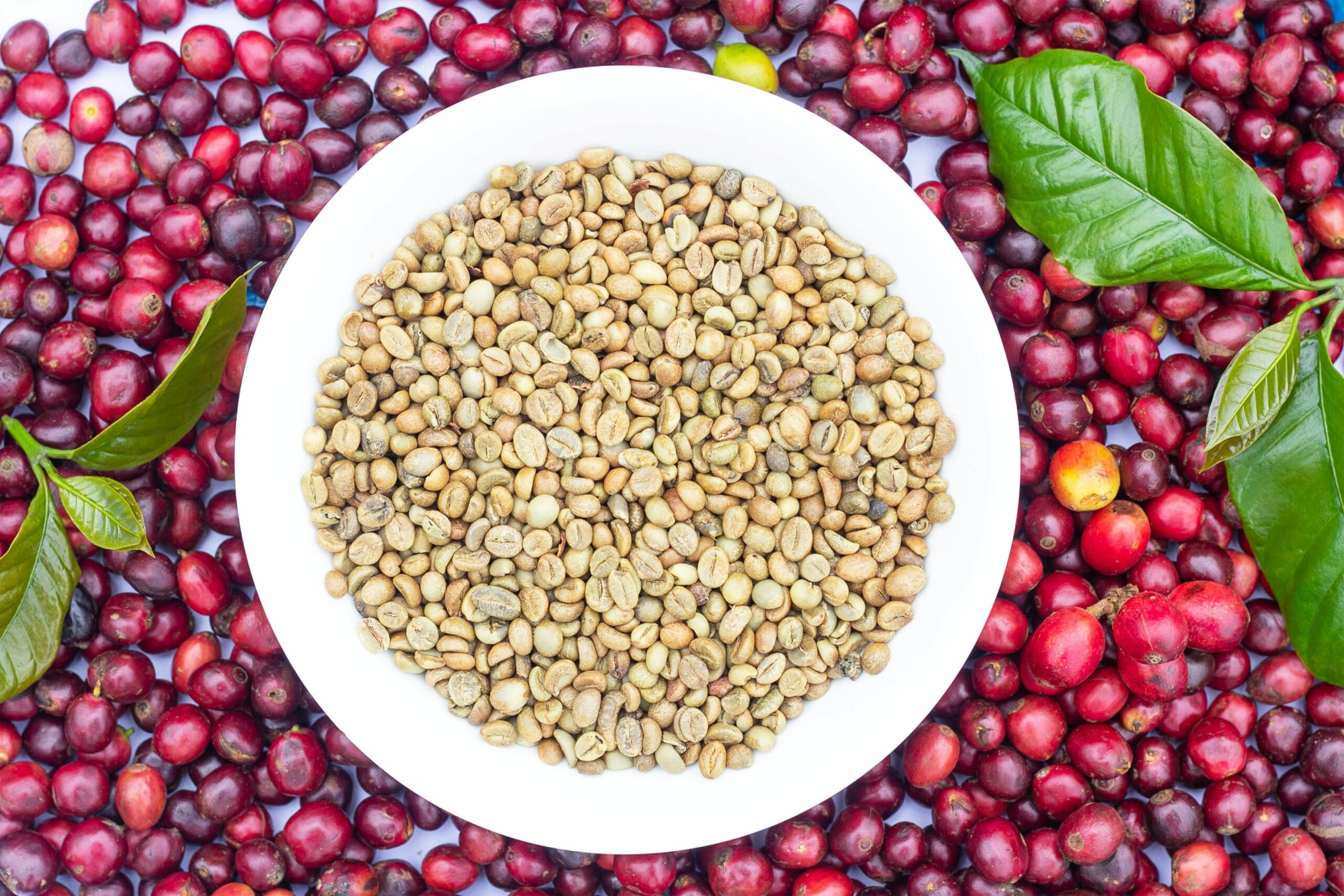
Coffee trees take approximately three to four years to produce their first fruit, known as coffee cherries. These small, round fruits start green and gradually ripen to a deep red or yellow, depending on the variety. Inside each cherry lie two seeds, what we recognize as coffee beans, nestled together in a protective layer of mucilage and parchment.
The two primary species of coffee grown commercially are Arabica and Robusta. Arabica beans, which account for roughly 60 percent of global production, are prized for their complex flavors, bright acidity, and aromatic qualities. Dominican Republic coffee beans are predominantly Arabica, specifically the Typica and Caturra varieties, which thrive in the Caribbean climate and contribute to the region’s reputation for producing refined, well-balanced coffees. Robusta beans offer a stronger, more bitter taste with higher caffeine content and are often used in espresso blends and instant coffee.
Harvesting: The Critical First Step
Harvesting coffee is a labor-intensive process that significantly impacts the final quality of the cup. In most specialty coffee regions, cherries are picked by hand, allowing workers to select only the ripest fruit. This selective picking requires multiple passes through the same trees over several weeks, as cherries on a single branch ripen at different times.
In flatter, larger-scale operations like those found in Brazil, mechanical harvesters strip entire branches at once. While more efficient, this method collects cherries at varying stages of ripeness, which can affect flavor consistency.
The timing of harvest is crucial. Cherries picked too early produce sour, underdeveloped flavors, while overripe cherries can taste fermented or musty. Experienced pickers develop an intuitive sense for identifying that perfect moment of ripeness.
Processing: Unlocking Flavor Potential
Once harvested, coffee cherries must be processed quickly to prevent spoilage. This stage has a profound influence on the bean’s ultimate flavor profile, and farmers choose their method based on climate, available resources, and desired taste characteristics.
The washed process, also called wet processing, involves removing the fruit and mucilage from the bean using water and fermentation. This method produces clean, bright coffees with pronounced acidity and clarity of flavor. It requires significant water resources and careful monitoring of fermentation times.
Natural processing, or dry processing, takes a simpler approach. Whole cherries are spread on raised beds or patios to dry in the sun for several weeks. As the fruit dehydrates around the bean, it imparts fruity, wine-like characteristics and a fuller body to the coffee. This method works best in regions with low humidity and consistent sunshine.
Honey processing falls somewhere between these two methods. The skin is removed, but varying amounts of mucilage remain on the bean during drying. The result is a coffee that balances the clarity of washed beans with some of the sweetness and body of naturals.
Milling and Export: Preparing for the World Stage
After processing, coffee beans that are still encased in parchment are allowed to rest for several weeks in a stage called reposo. This resting period stabilizes moisture content and allows flavors to develop further.
Next comes milling, where machines remove the parchment layer and polish the beans. The green coffee is then graded and sorted by size, density, and appearance. Defective beans are removed either by hand or by sophisticated optical sorting machines.
Finally, the green beans are bagged in burlap or specialized GrainPro bags that protect against moisture and contaminants during their ocean voyage to consuming countries around the world.
Roasting: The Transformation
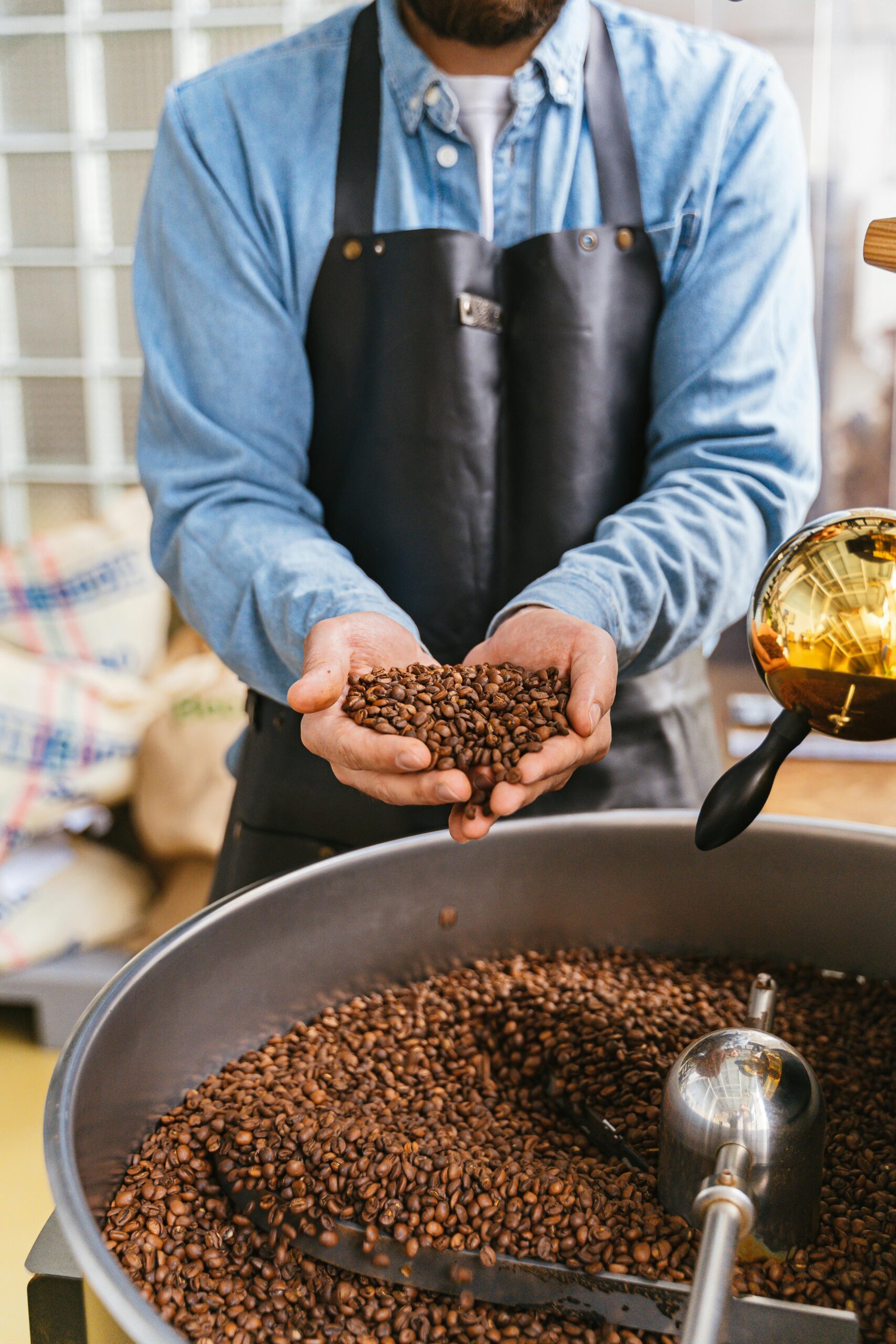
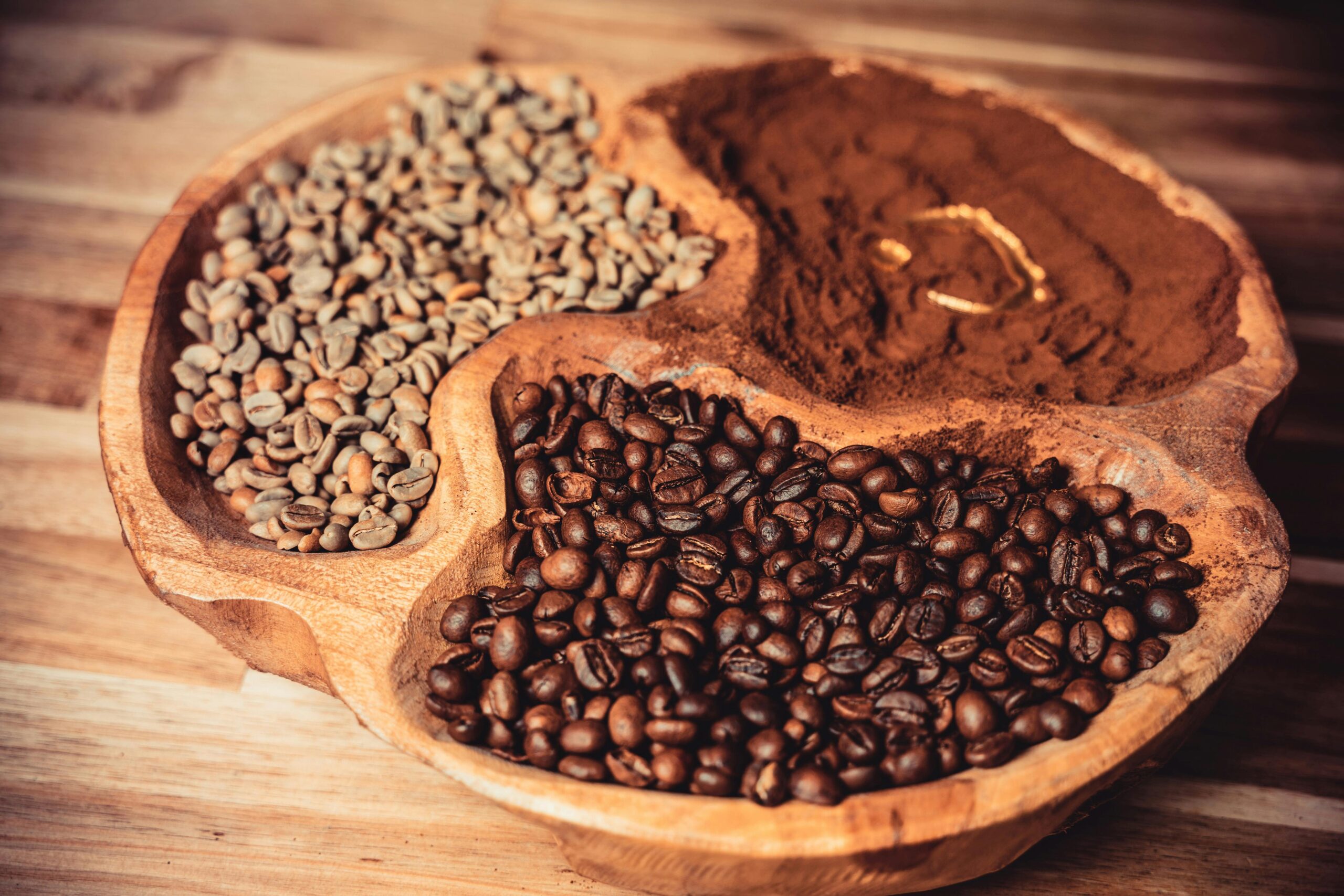
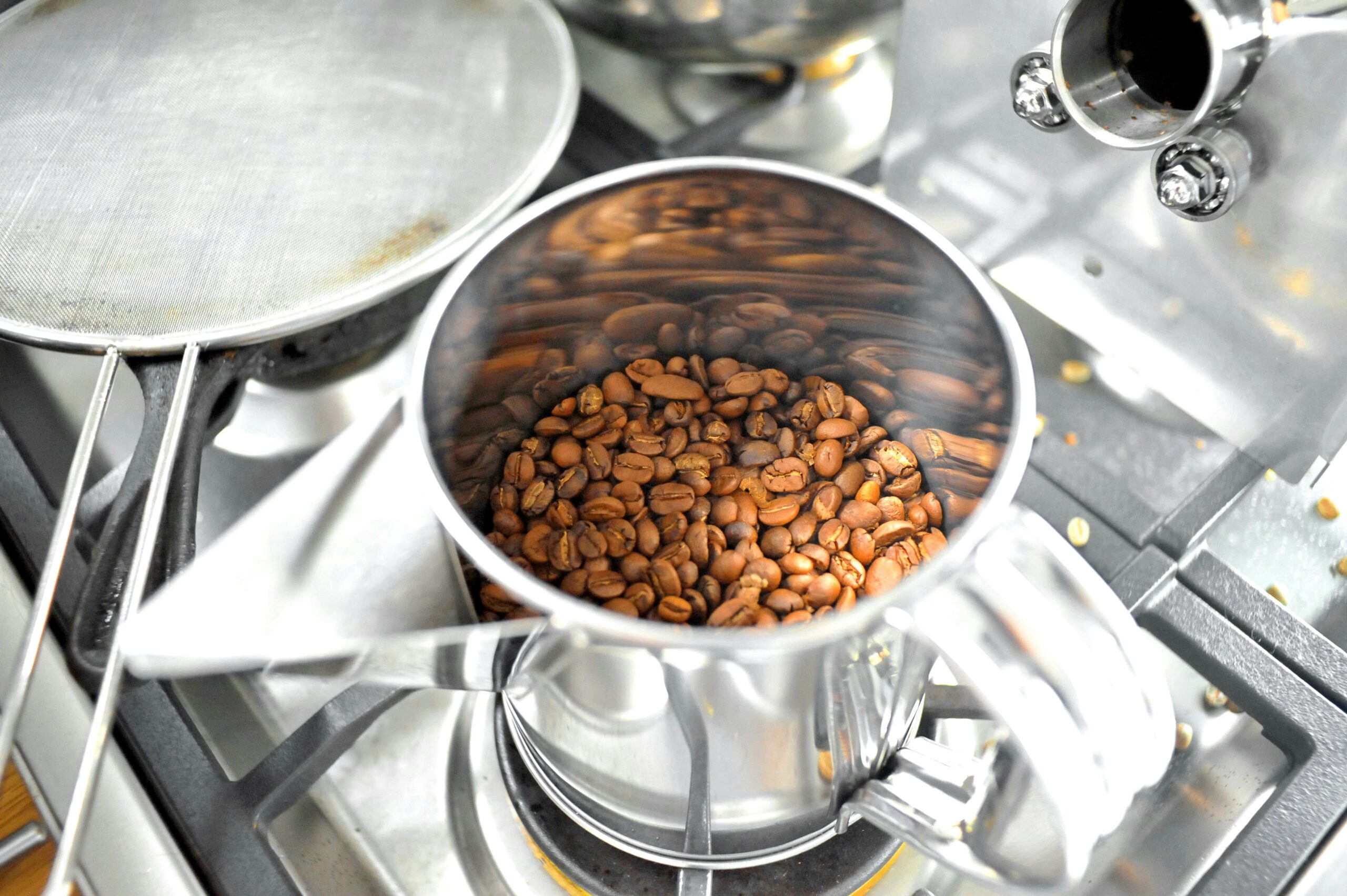
Green coffee beans are dense, grassy-smelling seeds with little resemblance to the aromatic brown beans we recognize. Roasting is the alchemical process that transforms these humble seeds into something magical.
During roasting, beans undergo complex chemical reactions. Sugars caramelize, amino acids and sugars combine in Maillard reactions, and hundreds of aromatic compounds develop. The roaster controls time and temperature to coax out specific flavor characteristics, balancing sweetness, acidity, body, and bitterness.
Light roasts preserve more of the bean’s origin characteristics, the terroir, processing method, and varietal notes shine through. Medium roasts balance origin flavors with roast-developed sweetness and body. Dark roasts emphasize bold, smoky, and bittersweet notes while diminishing origin character.
Many coffee enthusiasts are now discovering the joy of roasting their own beans at home. Taking coffee roasting classes offers an excellent way to understand this transformative process and develop skills to customize your perfect roast.
Grinding and Brewing: The Final Steps
Freshly roasted coffee reaches peak flavor within a few days to a few weeks after roasting. Grinding should happen just before brewing, as ground coffee loses its aromatic compounds rapidly when exposed to air.
Grind size must match your brewing method. Espresso demands a fine, powdery grind, while French press requires more medium-coarse particles. Pour-over methods fall somewhere in between. The relationship between grind size, water temperature, and extraction time determines whether your cup tastes balanced or falls flat.
Water quality matters more than many realize. Ideal brewing water contains some mineral content to help extract flavor compounds, but shouldn’t be overly hard or contain chlorine that masks delicate notes.
Appreciating the Journey
The next time you enjoy your morning coffee, consider the remarkable journey those beans have taken. Farmers tended trees for years before harvesting cherries at their peak. Processors carefully dried and prepared the beans. Exporters shipped them across oceans. Roasters applied heat and skill to unlock their potential.
Whether you’re exploring coffees from the Caribbean, learning to roast your own beans, or simply enjoying a cup from your favorite New Orleans coffee shop, understanding this journey transforms an everyday ritual into something far more meaningful. From farm to cup, coffee represents one of the most complex and fascinating supply chains in the world—and one of life’s most delicious simple pleasures.