For millions of coffee lovers around the world, the rich aroma of freshly brewed coffee is an irreplaceable part of daily life. But what happens when you love that flavor yet want to skip the caffeine jolt? Enter decaffeinated coffee, a beverage that has sparked debates among purists and casual drinkers alike. Is decaf really coffee, or is it merely an imposter wearing coffee’s clothes? Let’s dive deep into the world of decaf to separate fact from fiction.
What Exactly Is Decaf Coffee?
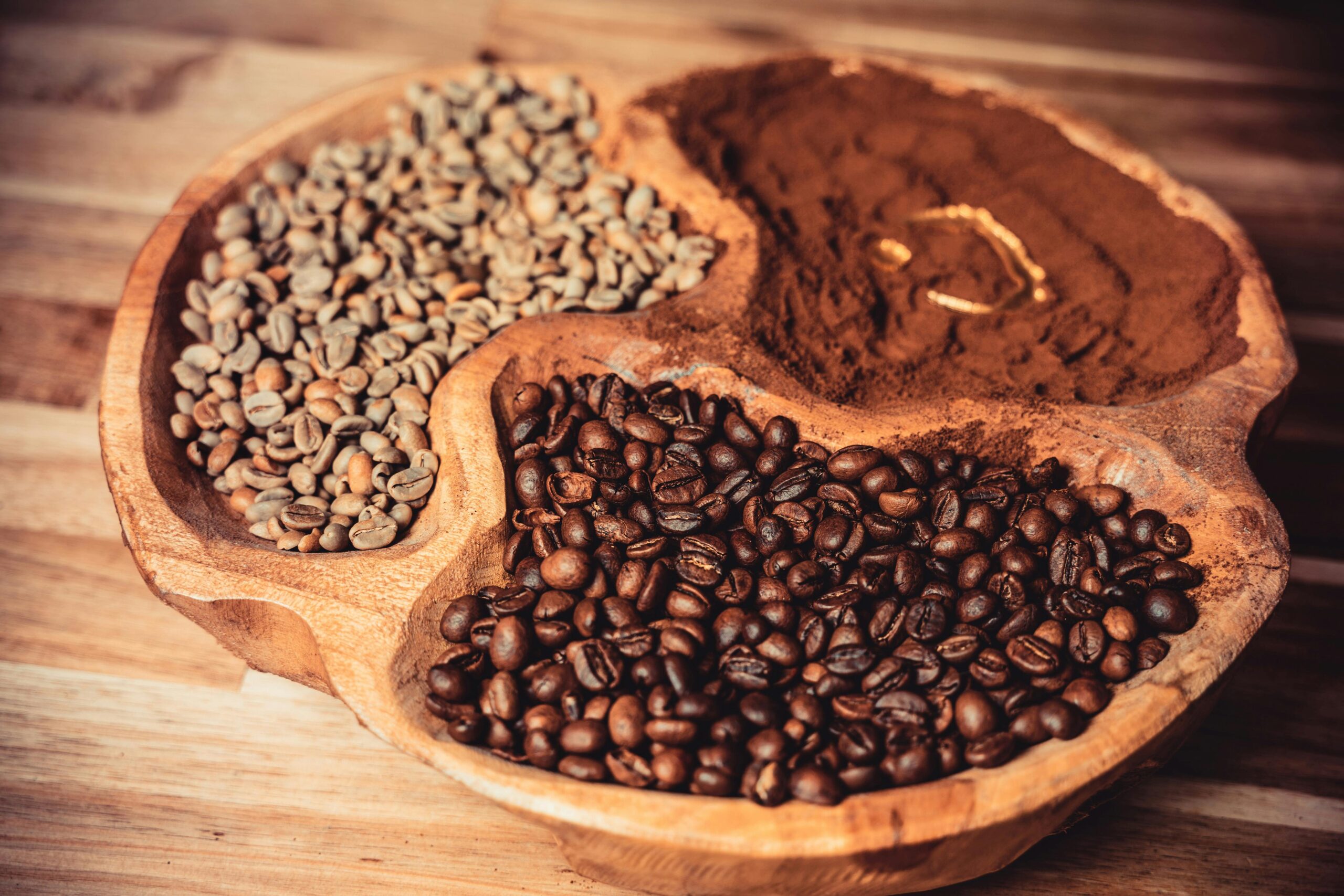
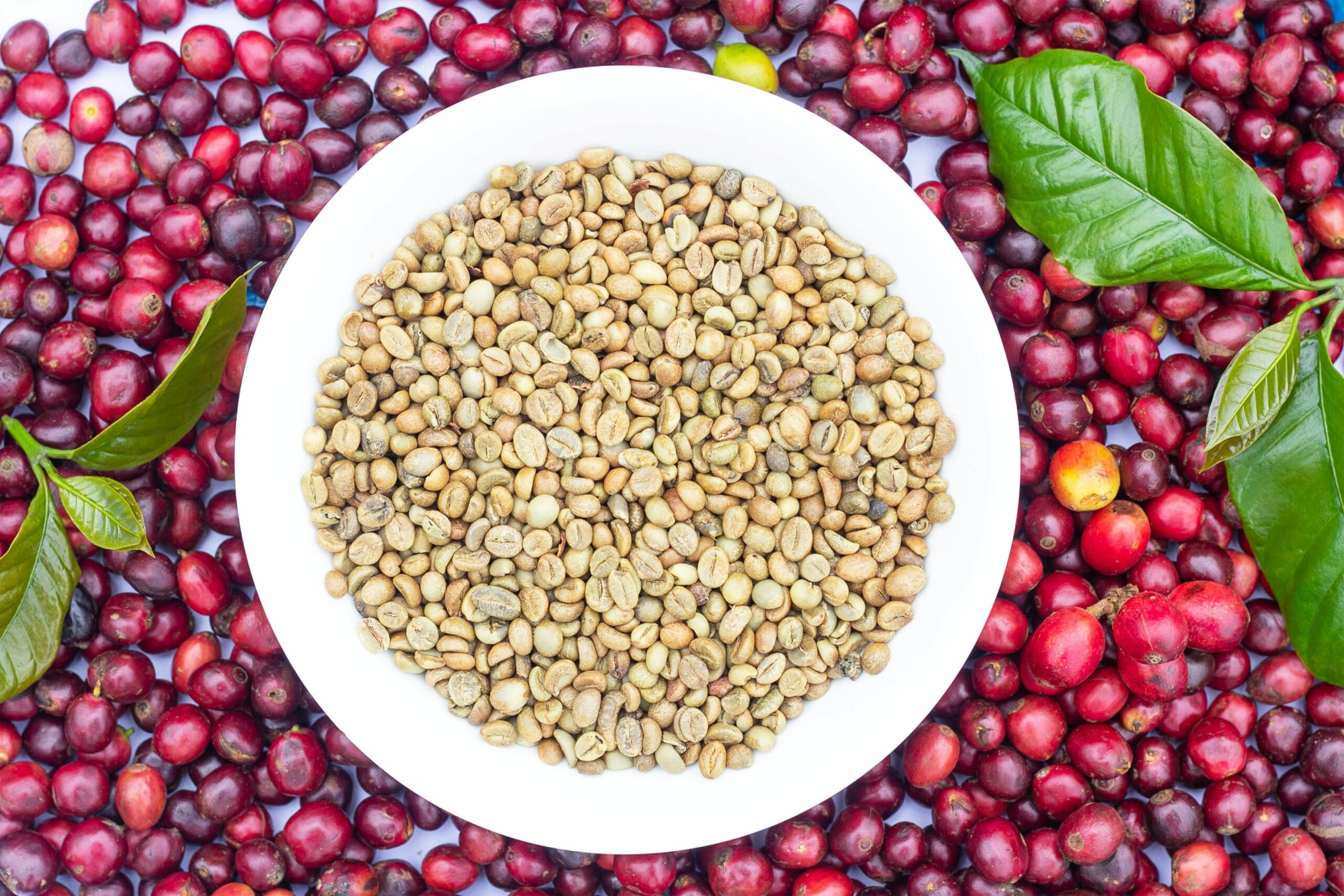
Decaffeinated coffee starts its life as regular coffee. The beans are harvested, processed, and prepared just like any other coffee, because they are regular coffee beans. The key difference lies in an additional step: the removal of caffeine before roasting.
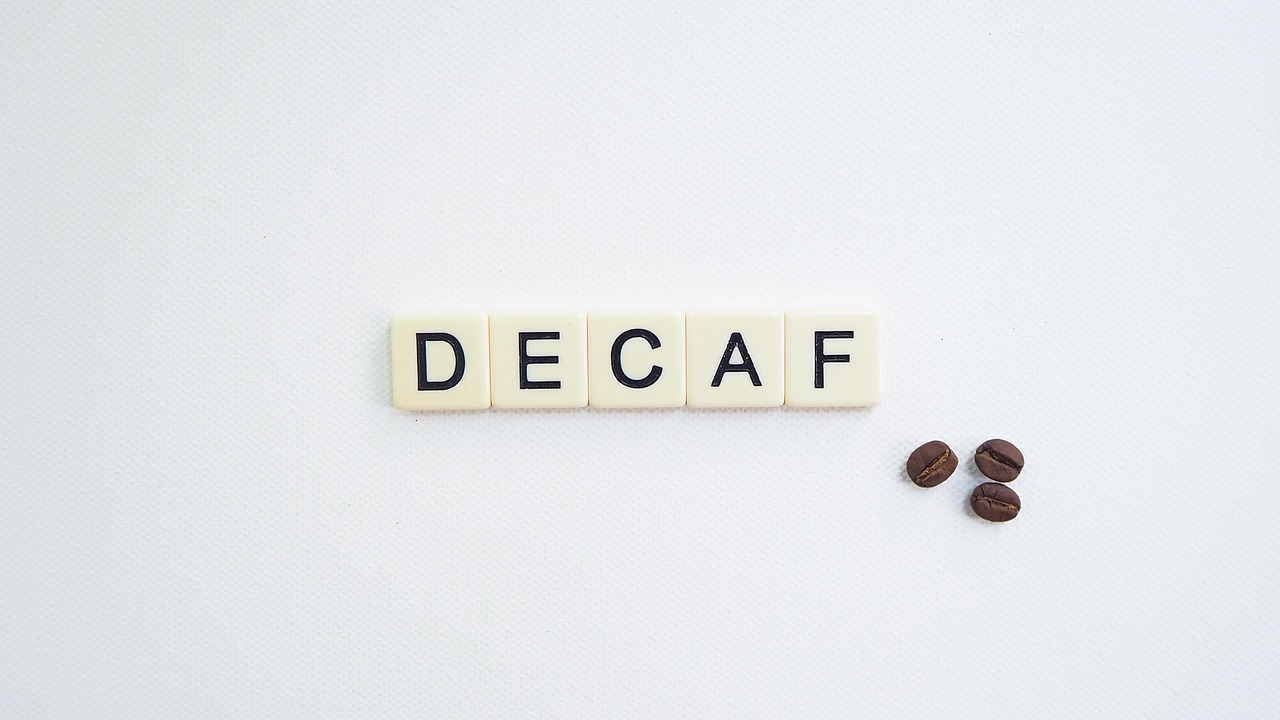
By definition, decaf coffee must have at least 97% of its caffeine removed to earn that label in the United States. This means a standard 8-ounce cup of decaf still contains roughly 2-7 milligrams of caffeine, compared to the 80-100 milligrams found in regular coffee. So technically speaking, decaf isn’t completely caffeine-free, but it’s close enough for most people seeking to reduce their intake.
The coffee beans used for decaffeination can come from any origin or variety. Whether sourced from the highlands of Ethiopia, the volcanic soils of Central America, or the lush estates that produce exceptional Indian green coffee beans, beans from any origin can undergo the decaffeination process. This means decaf drinkers can still explore the diverse flavor profiles that different growing regions offer.
How Is Caffeine Removed?
The decaffeination process is where science meets craft. There are several methods used commercially, each with its own advantages and characteristics.
The Swiss Water Process is perhaps the most celebrated method among specialty coffee enthusiasts. This chemical-free approach uses only water, temperature, and time to extract caffeine. Green coffee beans are soaked in hot water, which dissolves the caffeine along with other flavor compounds. The water is then passed through activated charcoal filters that trap caffeine molecules while allowing smaller flavor molecules to pass through. The beans are discarded, but the flavor-rich water (called Green Coffee Extract) is used to soak a fresh batch of beans. Since the water is already saturated with flavor compounds, only the caffeine migrates out of the new beans, preserving their taste integrity.
The Carbon Dioxide Method pressurizes CO2 until it becomes a liquid solvent that selectively extracts caffeine while leaving other compounds intact. This method is efficient and produces clean-tasting decaf but requires expensive equipment.
Solvent-Based Methods use chemicals like methylene chloride or ethyl acetate to bond with caffeine molecules. While the term “chemical solvent” might sound alarming, these substances evaporate completely during roasting, and the FDA considers them safe at the trace levels that might remain. Ethyl acetate is sometimes marketed as “naturally decaffeinated” since it can be derived from fruits.
The Flavor Question: Does Decaf Taste Different?
Here’s where things get interesting and contentious. Historically, decaf earned a reputation for being flat, bland, or simply “not as good” as regular coffee. This reputation wasn’t entirely undeserved. Early decaffeination methods were harsh on beans, stripping away delicate flavor compounds along with caffeine.
However, modern decaffeination has evolved dramatically. Today’s Swiss Water and CO2 methods preserve significantly more of the bean’s original character. A well-processed decaf from quality beans can exhibit the same complexity, sweetness, and nuance as its caffeinated counterpart. The difference often lies not in the decaffeination itself but in the quality of beans chosen for the process.
For those wanting to develop their palate and truly understand coffee flavors, caffeinated or not, attending coffee cupping classes can be transformative. Cupping is the professional method of evaluating coffee, allowing tasters to identify subtle notes, assess body and acidity, and compare different origins side by side.
So, Is Decaf Really Coffee?
The answer is an unequivocal yes. Decaf is made from real coffee beans, grown on real coffee plants, processed through the same agricultural and preparation methods as regular coffee. The only difference is the removal of one specific compound: caffeine.
Consider this analogy: if you remove alcohol from wine, you still have grape juice derived from the same fruit, processed in a similar manner. It’s different, certainly, but it’s still fundamentally connected to its source. Decaf maintains this connection to coffee even more strongly because the roasting process, which develops the Maillard reactions, caramelization, and aromatic compounds that define coffee’s flavor, happens after decaffeination.
The beans still contain the oils, acids, sugars, and hundreds of volatile compounds that create coffee’s characteristic taste and aroma. Caffeine itself is actually quite bitter and contributes minimally to the flavors we associate with great coffee. What makes coffee taste like coffee? The chocolatey notes, the fruity brightness, and the nutty undertones remain largely intact in quality decaf.
Who Chooses Decaf and Why?
The decaf drinker demographic has shifted considerably. Once viewed as a compromise for those who “couldn’t handle” caffeine, decaf is now a conscious choice for many sophisticated coffee enthusiasts.
Pregnant women and nursing mothers often switch to decaf to limit caffeine intake while still enjoying their beloved ritual. People with anxiety disorders, heart conditions, or caffeine sensitivity find that decaf allows them to participate in coffee culture without adverse effects. Late-afternoon and evening coffee drinkers choose decaf to avoid sleep disruption while savoring a post-dinner cup.
There’s also a growing movement of coffee lovers who simply want to drink more coffee without consuming excessive caffeine. Why limit yourself to two cups when you can enjoy four or five throughout the day by mixing in decaf?
The Bottom Line
Decaf coffee is absolutely, genuinely, authentically coffee. It grows on coffee trees, contains coffee’s essential flavor compounds, and undergoes the same roasting transformation that creates the beverage we know and love. The removal of caffeine no more disqualifies it from being coffee than removing seeds disqualifies watermelon from being watermelon.
The key to enjoying great decaf lies in seeking out quality. Look for beans that were high-quality before decaffeination and processed using methods like Swiss Water that preserve flavor integrity. Explore different origins to find profiles you enjoy. The world of New Orleans coffee has embraced decaf like never before, and there’s never been a better time to discover what this often-misunderstood category has to offer.
Whether you’re cutting back on caffeine, enjoying an evening cup, or simply curious about what decaf can be, give it a fair chance. You might be surprised at just how good real coffee without the buzz can taste.