Roasting coffee at home is a unique and deeply rewarding journey. There’s an undeniable pleasure in creating a fresh, customized roast that perfectly fits your taste—and sharing the results with friends and family. However, home roasters often discover that achieving consistent results, batch after batch, can feel surprisingly elusive. From uneven beans to imprecise timing, small changes can yield drastically different cups. Fortunately, with the right approach and some tried-and-true techniques, anyone can develop repeatable success and enjoy flavorful, reliable home-roasted coffee every time.
1. Quality Beans: The Foundation of Consistency
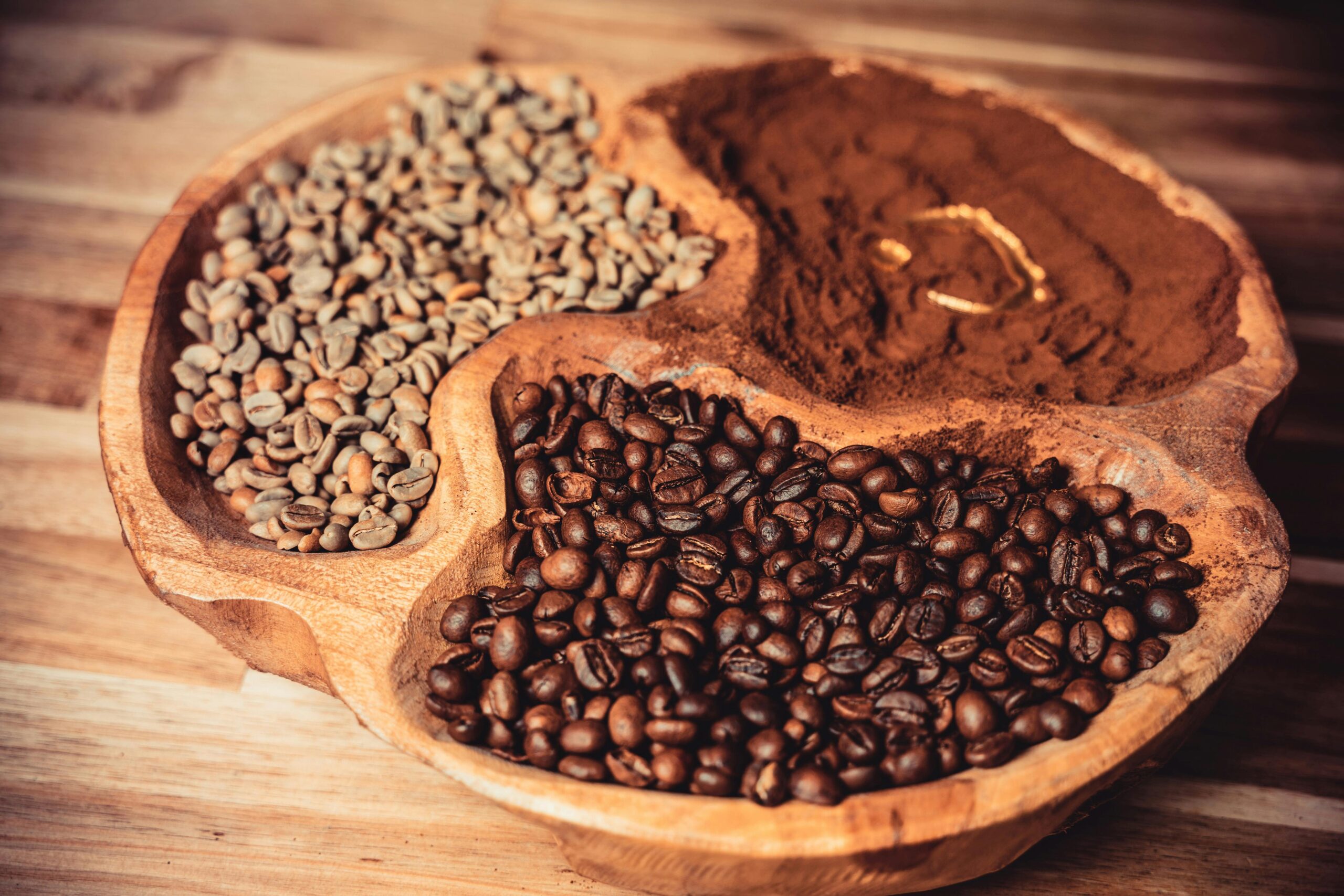
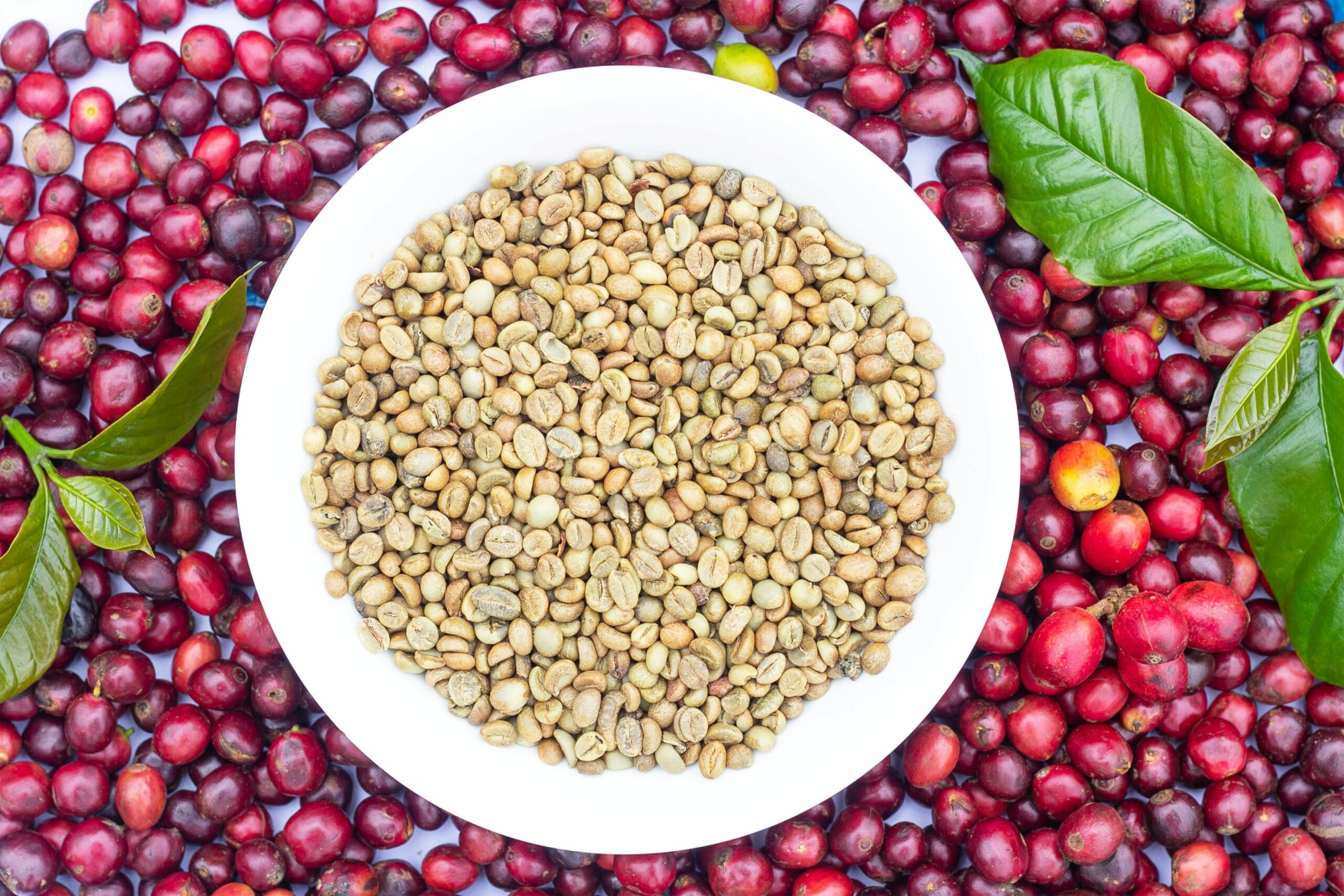
Consistent results begin with consistent ingredients. Always source high-quality green coffee beans from suppliers who offer information about the bean’s origin, processing method, and harvest. Uniform bean size and density matter—beans of similar size will roast more evenly, while processing details can affect how the beans behave with heat.
For reliable, fresh options, explore a broad range of specialty unroasted coffee beans online. Look for beans sold with detailed descriptions, so you can track trends in your favorite roasts and select beans suited to your flavor preferences.
2. Choose, Maintain, and Calibrate Your Roasting Equipment
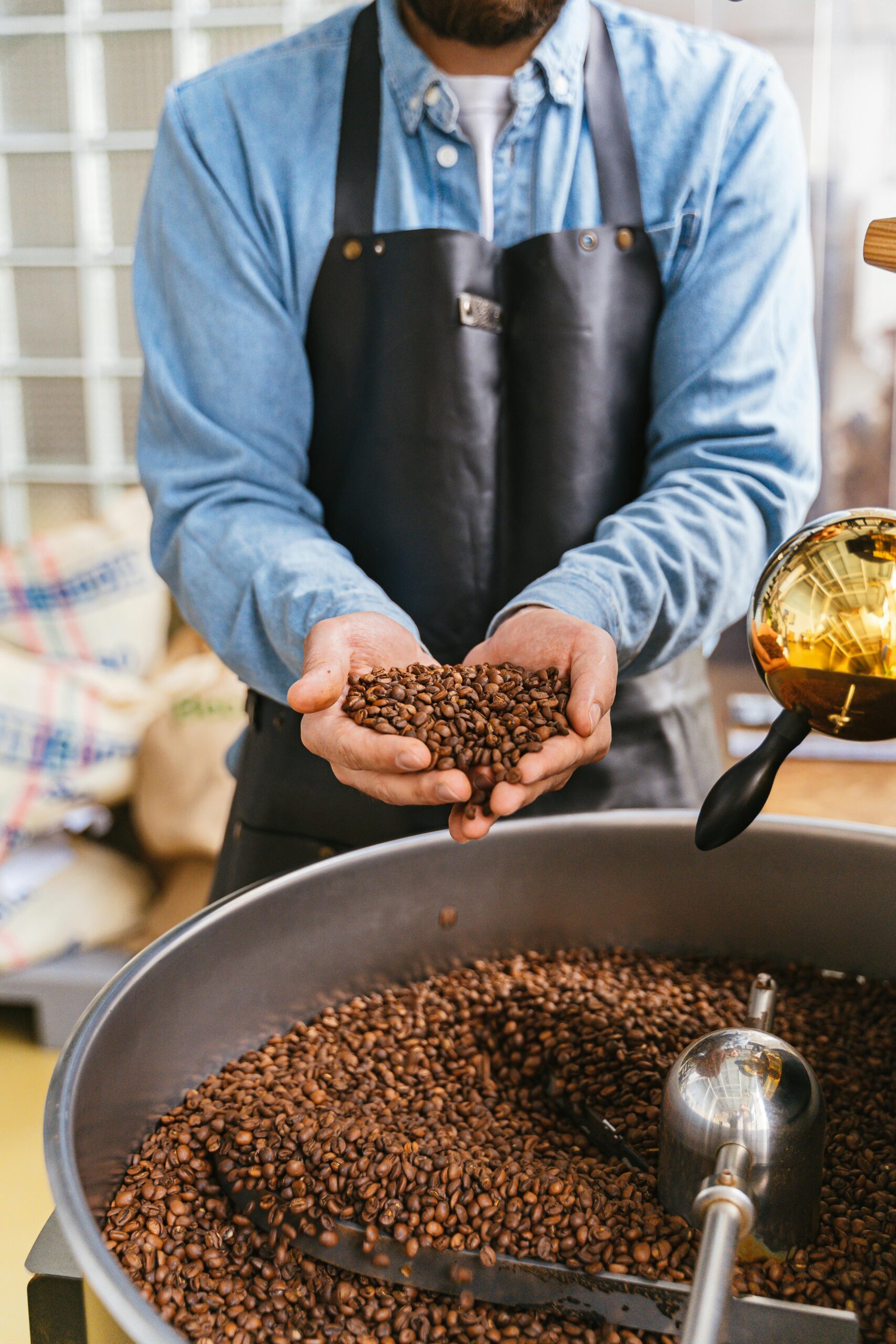
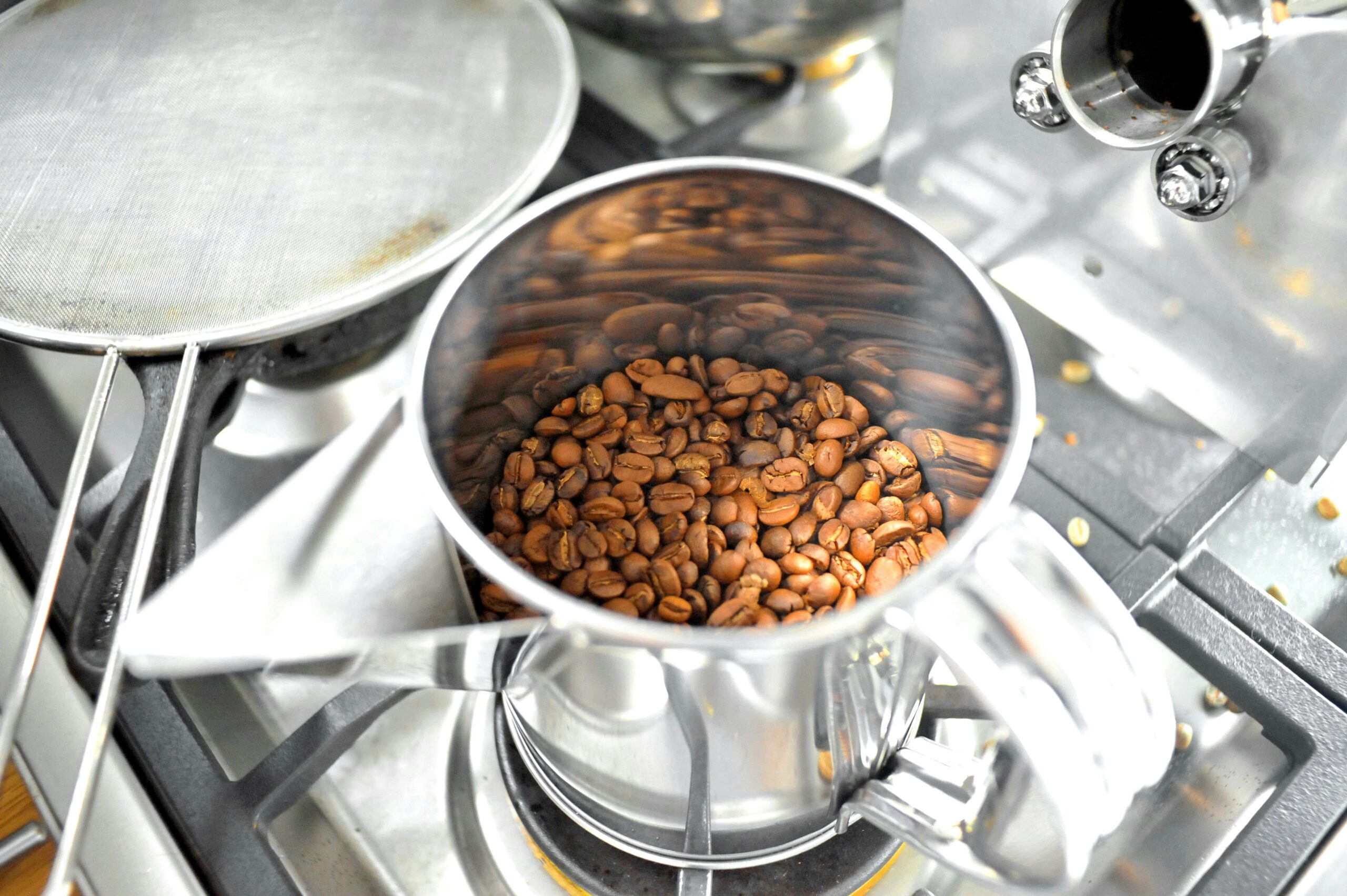
While stovetop pans and popcorn poppers can get you started, a dedicated home coffee roasting machine brings greater control and repeatability. Choose a roaster that allows you to adjust (and record) important variables such as temperature, airflow, and drum speed. Equipment that is easy to clean and designed for small batch roasting will save time and minimize errors.
Once you’ve invested in the right roaster, ongoing maintenance and calibration are essential. Clean your equipment regularly—oils, chaff, and residue can quickly build up and disrupt the flavor and consistency of future batches. Ensure heating elements, fans, and sensors are accurate and in good working order. If your roaster is manual, periodically calibrate your thermometers and timers, and verify that batch sizes and roasting times remain accurate. A well-tuned, properly maintained roaster is one of the most critical factors in achieving batch-after-batch reliability.
3. Control Your Variables
The more factors you can measure and stabilize, the easier it will be to replicate your favorite results. Home roasting’s biggest opportunities for control include:
Bean weight: Use a kitchen scale to measure each batch exactly.
Roaster preheating: Allow your machine to reach the target temperature before adding beans.
Batch size: Stick to the capacity your roaster handles best.
Environmental conditions: Be aware of temperature and humidity, which can affect roasting in different seasons.
Meticulous, repeatable routines lay the groundwork for success. Adjust one variable at a time to understand its impact on the roast.
4. Track Every Roast (Roast Logging)
Keep a roasting notebook or digital log for every batch. Key details to note include:
Green bean variety, origin, and process
Starting weight and final weight (moisture loss)
Roaster settings (temperature curves, time to first and second crack, total roast time)
Observations of bean color, aroma at each stage, and notes on “crack” sounds
Cooling duration and method
Tasting and cupping impressions after the beans rest for 24–48 hours
Review your logs regularly. Over time, they’ll become an invaluable guide for troubleshooting and refining your process.
5. Use Your Senses for Better Control
Numbers matter, but don’t overlook observation and intuition:
Sight: Watch as beans move from green to yellow, tan to brown, and darken further with each stage.
Sound: Listen for the “cracks”—first crack signals the transition to drinkable, developed coffee; second crack means a push into darker, sometimes oilier roasts.
Smell: Early grassy aromas become bready, then caramelized and rich; changes signal when you’re nearing your target roast.
Taste: Always taste your coffee after it rests a day or two—flavors develop and “settle” after roasting.
6. Evaluate and Calibrate Using Cupping
Cupping is the systematic tasting of coffee to evaluate its aroma and taste profile. Even simple home tasting sessions, using only bowls and a spoon, can help you identify what’s working and what needs change. For those eager to deepen their skills or calibrate alongside experienced tasters, consider joining in-person or online cupping classes. You’ll sharpen your palate and learn new techniques for not only roasting but brewing for taste consistency as well.
7. Patience and Self-Education
Perhaps the most important ingredient for consistency is patience. Embrace mistakes as learning opportunities. Continuous improvement comes with repetition and analysis. Engage with community forums, follow home roasting blogs, and don’t be afraid to experiment—just record everything so you can double down on what works and course-correct what doesn’t.
8. Build a Coffee Community
Bonding with other home roasters accelerates your learning and brings inspiration and accountability. Whether it’s sharing roast logs, joining group cuppings, or simply talking shop online, every exchange is a step toward greater consistency.
Conclusion
Achieving consistent results in home coffee roasting is part art, part science—and entirely rewarding. By focusing on quality beans, controlling your variables, logging every batch, and trusting both data and your senses, you lay the groundwork for replicable, delicious roasts every time. Remember that every roast brings new insights, and even the “missteps” teach you valuable lessons.
As you progress, regularly explore new origins and don’t hesitate to build your sensory skills. With practice and curiosity, you’ll be able to craft cafe-quality coffee at home—one satisfying, consistent cup at a time.