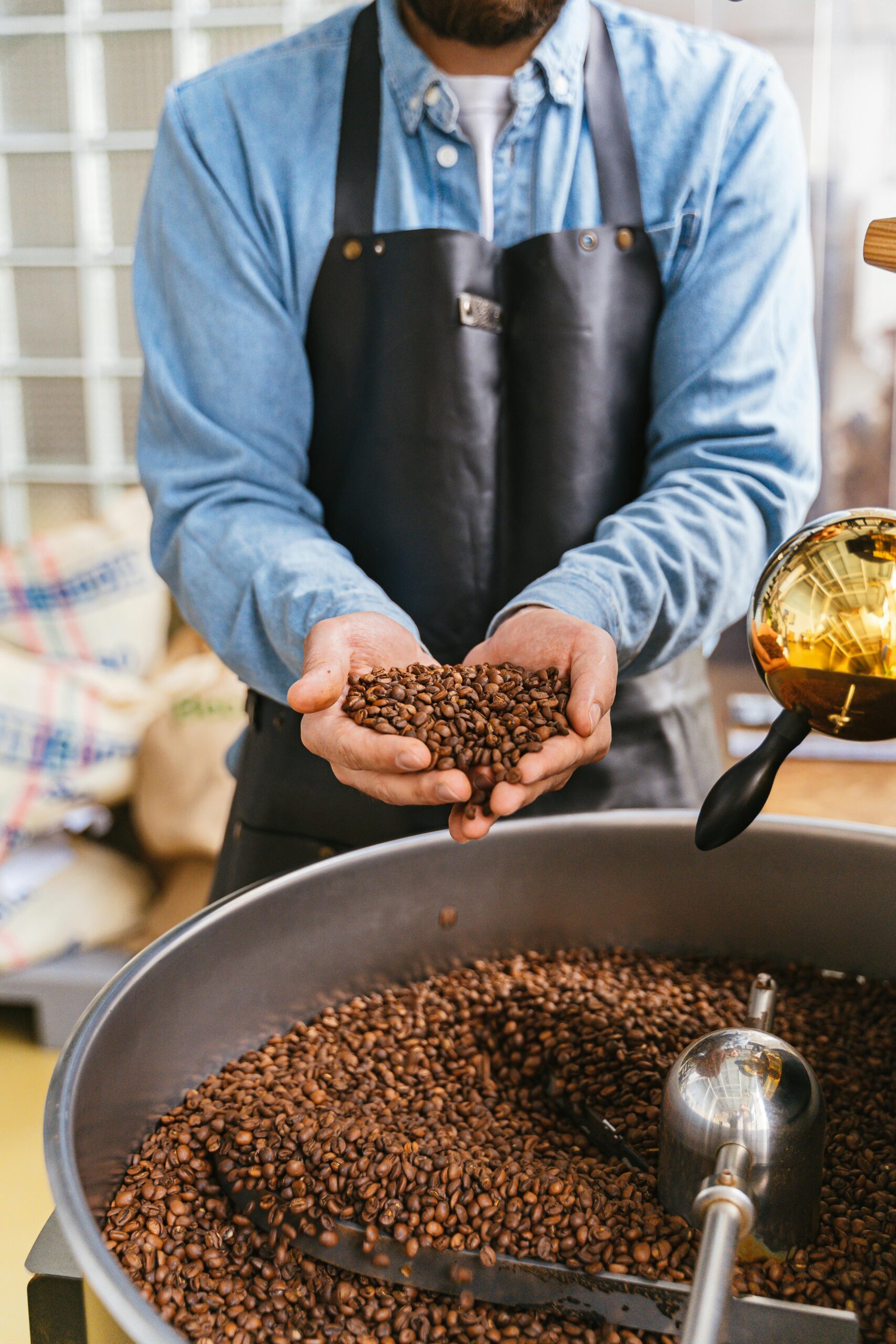
You’ve just picked up a bag of freshly roasted coffee. It smells incredible. You can’t wait to brew it. So you do, and the cup is, well, disappointing. It tastes sour, flat, or just not quite right. Sound familiar? If so, you’re not alone. This happens to a lot of coffee drinkers, and the frustrating part is that it usually has nothing to do with the quality of the beans. More often than not, it comes down to how the coffee was handled after roasting. If you’ve ever been curious about what actually goes on during the roast itself, coffee roasting classes are a great way to build that foundation, but even without roasting your own, a few simple habits can make a surprisingly big difference in what ends up in your cup.
Why You Shouldn’t Brew Coffee the Day It’s Roasted
This one surprises most people: freshly roasted coffee actually needs a little time to settle before it’s ready to drink.
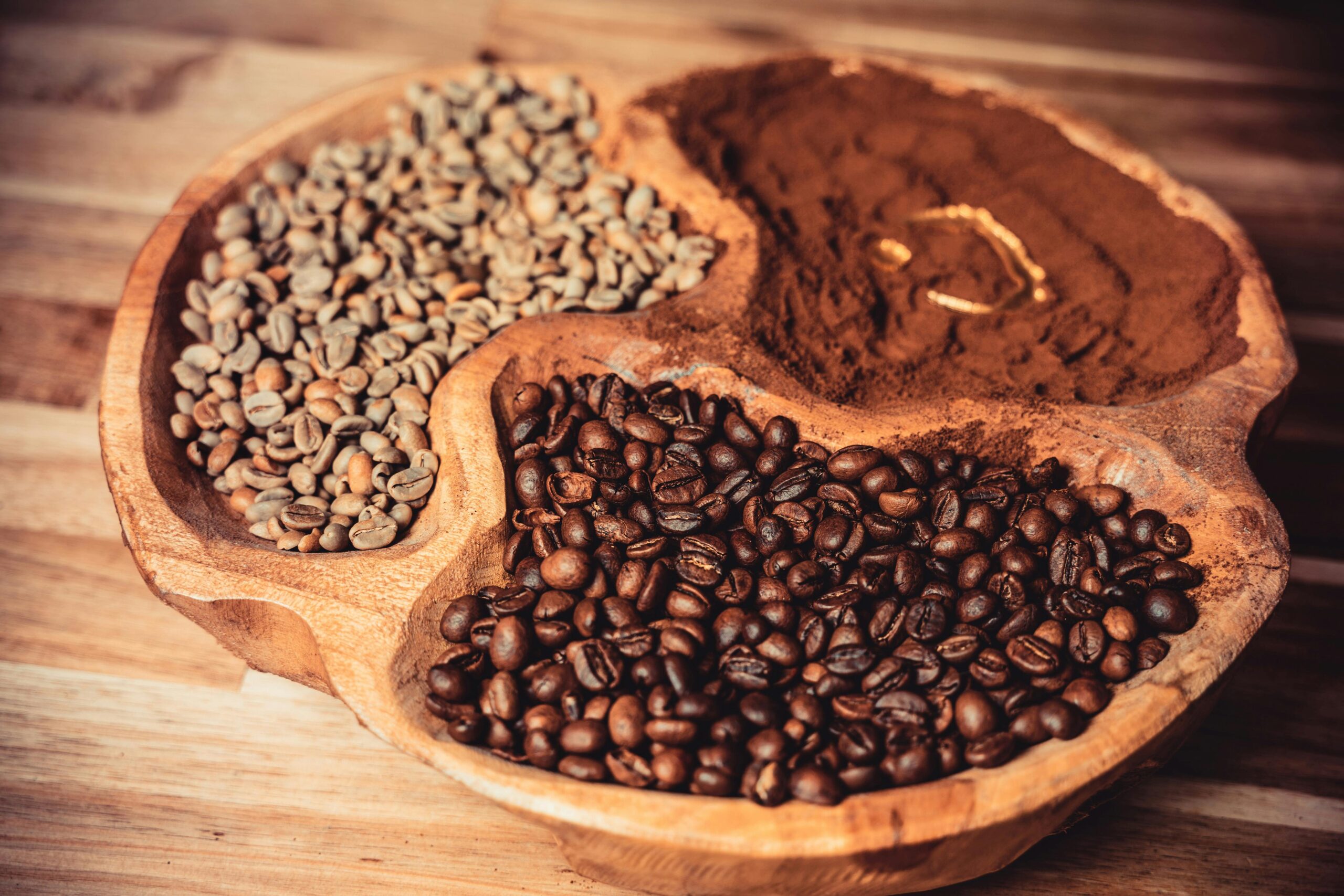
When beans are roasted, they release a natural gas called carbon dioxide. This gas stays trapped inside the bean and slowly releases over the days following the roast. If you brew too soon, that escaping gas gets in the way of a good extraction, and your coffee ends up tasting uneven and sour rather than rich and balanced.
Think of it a bit like a freshly baked loaf of bread, it needs to cool and set before it’s at its best.
The waiting time varies depending on how the coffee is roasted:
- Lightly roasted coffees need the most time, usually around 7 to 14 days after roasting, before they taste their best.
- Medium roasts are typically ready within 5 to 10 days.
- Dark roasts release their gases faster and are often good to go within 2 to 5 days.
- Espresso benefits from a longer rest, as most people find that waiting 10 to 14 days gives the smoothest, most balanced shot.
It’s a small act of patience that pays off in a noticeably better cup.
The Best Way to Store Your Coffee Beans
Once your beans have had their resting time, keeping them fresh is all about protecting them from the things that make coffee go stale quickly – air, moisture, heat, and light.
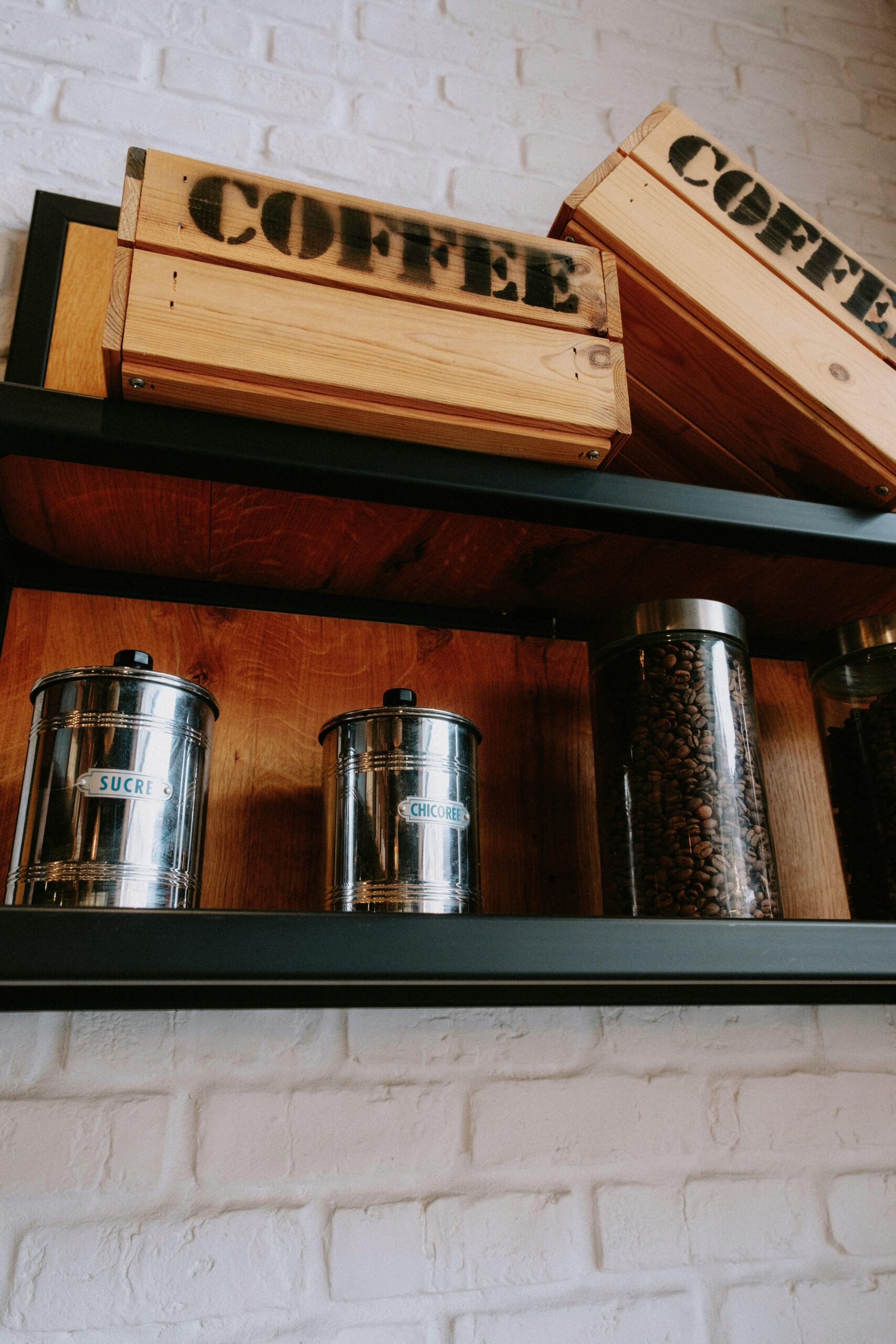
Get an airtight container. This is the single biggest thing you can do. Exposure to open air causes coffee to go stale faster than almost anything else. A sealed, opaque container kept in a cool cupboard or pantry is ideal. Many specialty coffee bags already come with a small one-way valve built in. This lets gases escape without letting air in, making them a perfectly good storage option for the first week or so after opening. If you’re thinking about roasting at home and want full control over freshness from the very start, browsing New Orleans coffee roasters is a great place to explore your equipment options.
Keep coffee away from heat and sunlight. The kitchen counter near the stove might feel like a convenient spot, but the warmth and light speed up the staling process. A cool, dark shelf or cabinet is a much better home for your beans.
Don’t put coffee in the fridge. This one feels intuitive; cooler should mean fresher, right? Unfortunately, the fridge is actually one of the worst places for coffee. It’s full of moisture and food smells, and coffee absorbs both very easily. You’ll end up with beans that taste faintly of last night’s leftovers, and nobody wants that.
What about the freezer? Freezing can work, but only if you do it carefully. The key is to portion your beans into small batches before freezing, so you’re only ever thawing what you need. Once you take beans out of the freezer, let them warm up completely before opening the bag. This prevents moisture from forming on the beans, which can damage the flavor.
Buy smaller amounts, more often. Roasted coffee has a relatively short window of peak freshness, about two to three weeks once it’s fully rested. Buying a huge bag might feel economical, but if you’re not getting through it in that timeframe, the coffee will have gone stale long before the last scoop. Buying fresh in smaller quantities is almost always the better move.
Easy Mistakes That Are Worth Avoiding
Even when you have great beans stored correctly, a few common habits can quietly work against you.
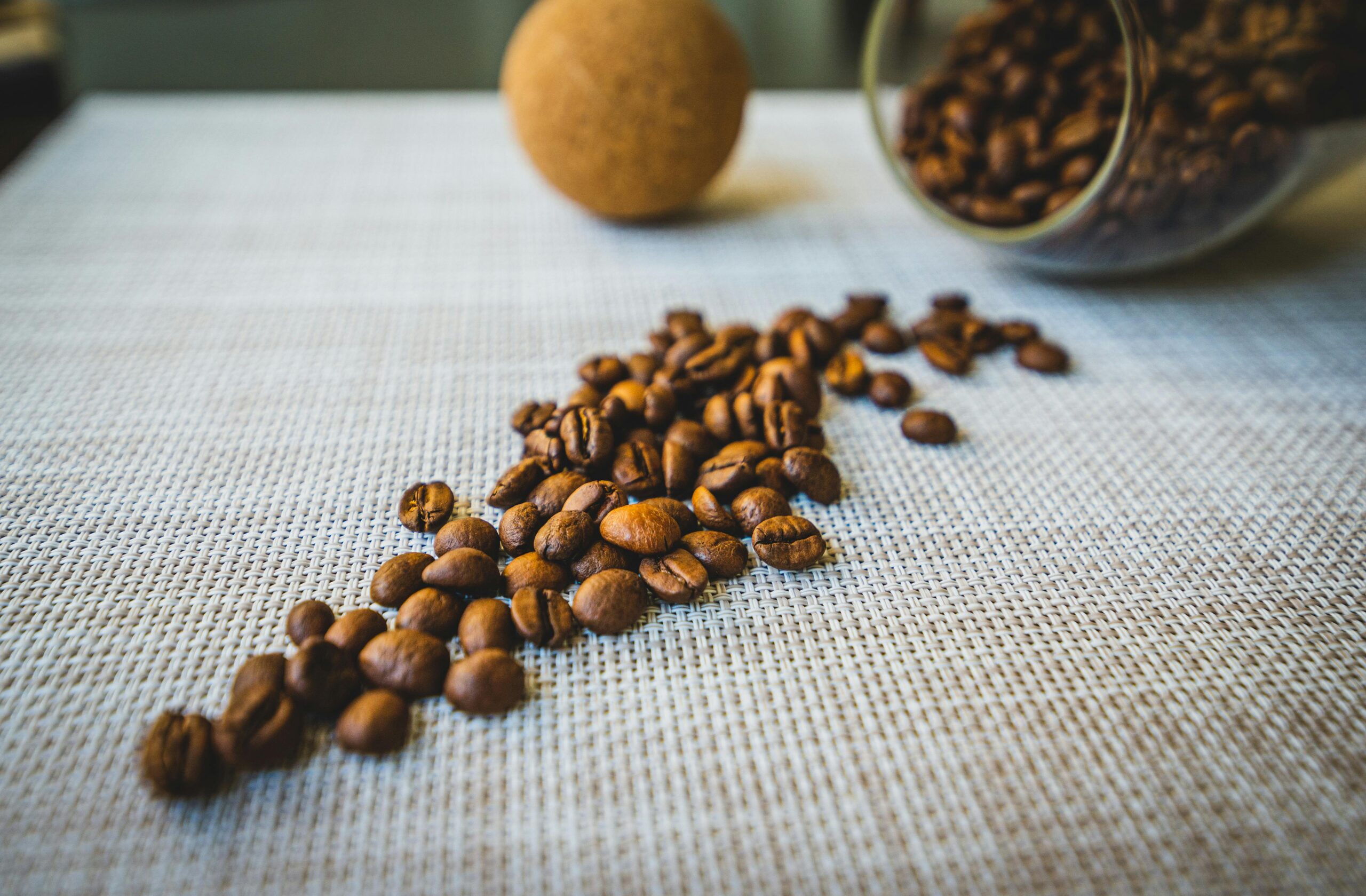
Grinding your coffee too early. Whole beans stay fresh much longer than pre-ground coffee. Once you grind, the clock speeds up dramatically. Try to grind only what you need, right before you brew; it makes a real difference.
Not checking the roast date. Many coffee bags show a “best by” date, which doesn’t tell you much. What you really want to see is the actual roast date, so you know how fresh the beans are and how long to rest them before brewing. If a bag doesn’t have a roast date, that’s worth paying attention to.
Using water that’s too hot or not hot enough. Water that’s boiling can scorch your coffee grounds and pull out harsh, bitter flavors. Water that’s not hot enough won’t extract enough flavor at all. Letting boiled water sit for about 30 seconds before pouring is a simple trick that keeps you in the sweet spot for most home brewing methods.
Want to Go Even Deeper?
Once you start paying attention to how you handle your coffee, it’s hard not to get curious about what else is going on in your cup. If you really want to understand what you’re tasting, coffee cupping classes are a fun and approachable way to train your palate. Cupping is the method professionals use to evaluate coffee flavor, and learning the basics can completely change how you experience your morning brew.
Great coffee doesn’t stop at the roast. A little care in how you handle it afterward goes a long way, and once you start tasting the difference, you won’t go back.