When we think about Black History Month, we often celebrate figures like Martin Luther King Jr., Rosa Parks, and Harriet Tubman. However, Black history is incredibly vast, filled with unsung heroes and fascinating connections to everyday life—including coffee.
As one of the most beloved beverages in the world, coffee’s popularity has a deep and rich history that intertwines with the African American experience, particularly in New Orleans. From the origins of coffee beans to the influence of Black entrepreneurs, here are five lesser-known Black history facts that have shaped coffee culture and beverage traditions in the Crescent City and beyond.
The African Origins of Coffee Beans
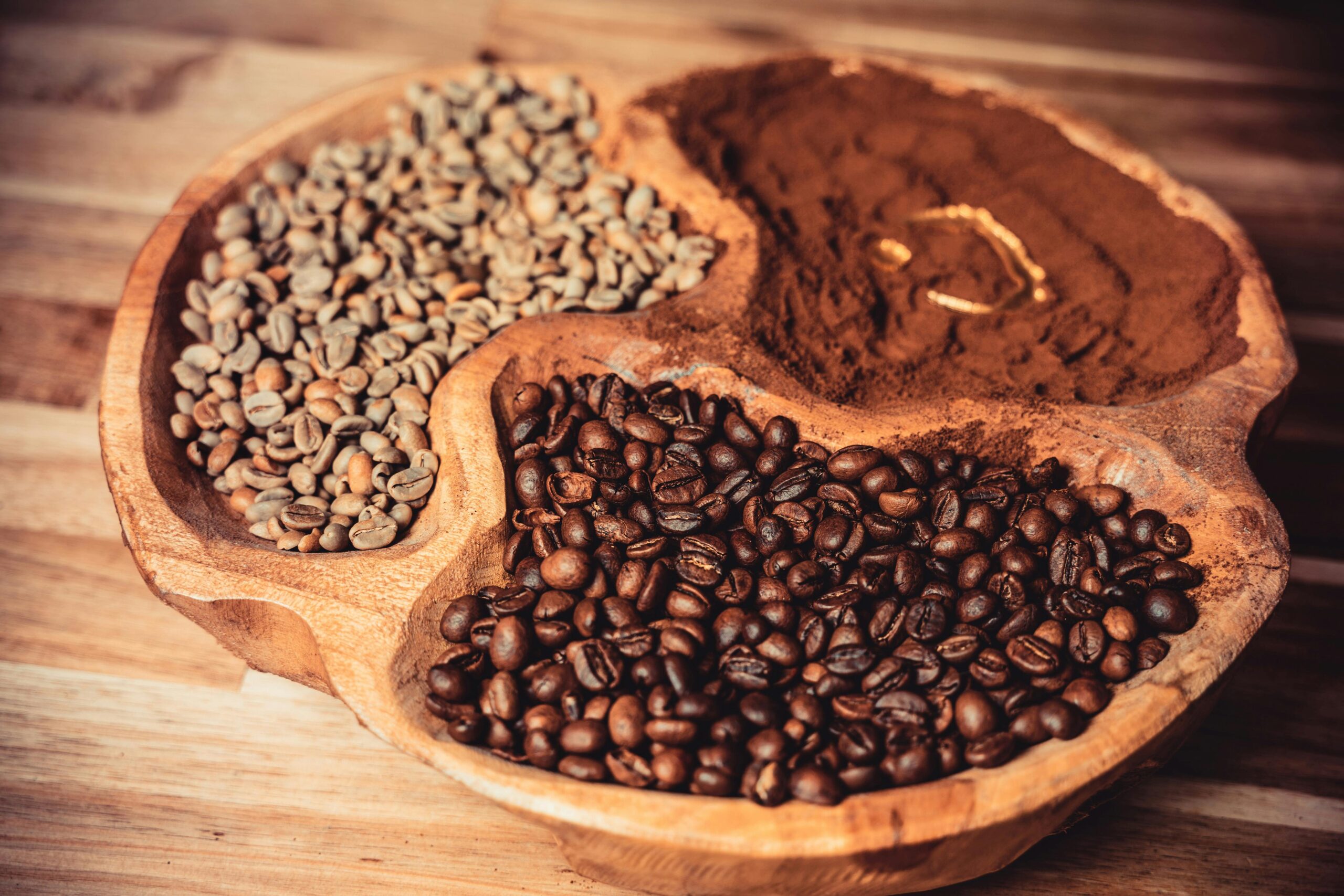
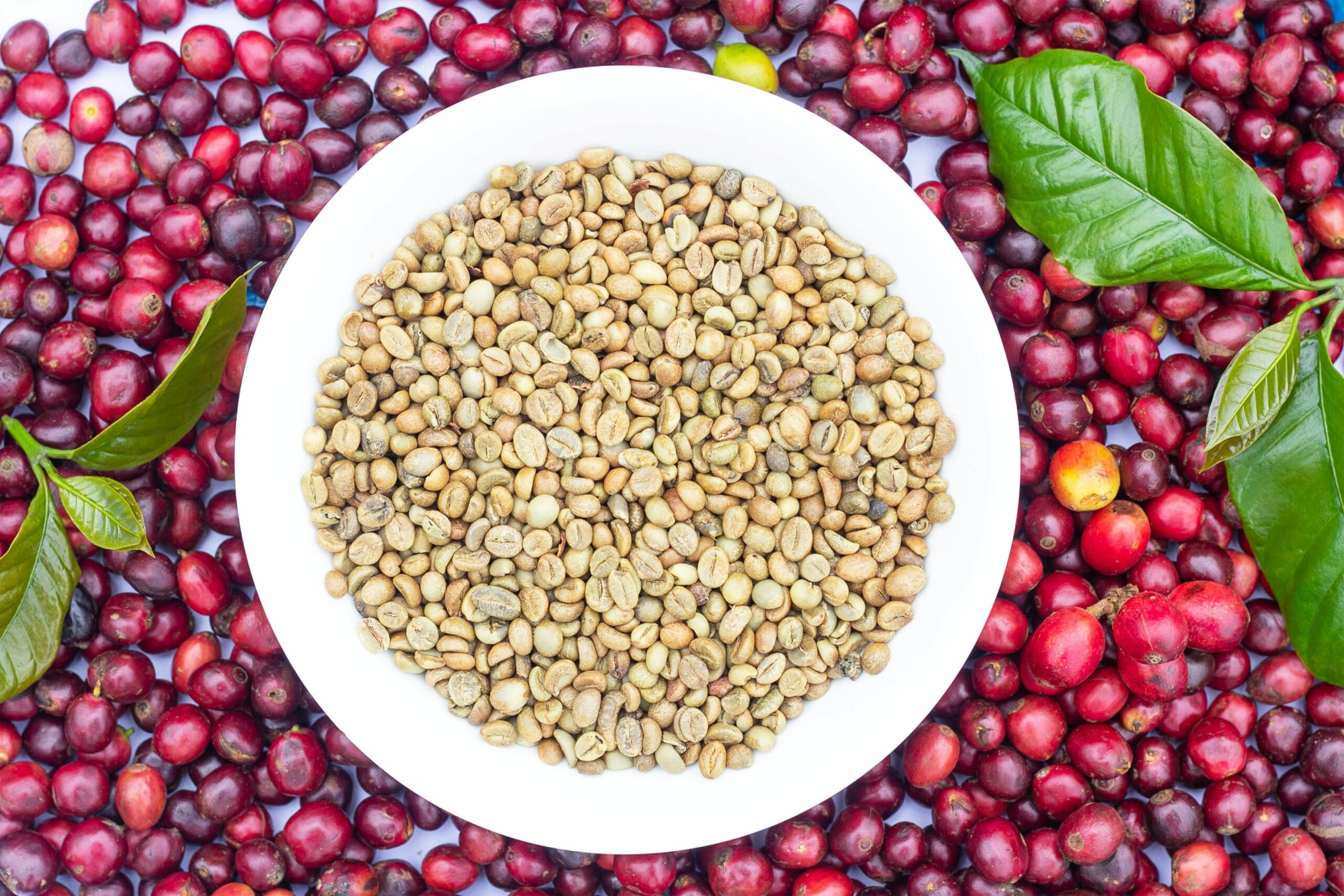
Many people enjoy their morning cup of coffee without knowing that coffee beans originated in Africa. The legend of Kaldi, the Ethiopian goat herder who discovered coffee plants, is well-known, but what’s less discussed is how enslaved Africans played a crucial role in spreading coffee bean cultivation.
During the transatlantic slave trade, coffee seeds traveled from Africa to the Caribbean and South America, where enslaved Africans worked tirelessly on coffee plantations. Their expertise in agriculture helped shape the global coffee industry we know today.
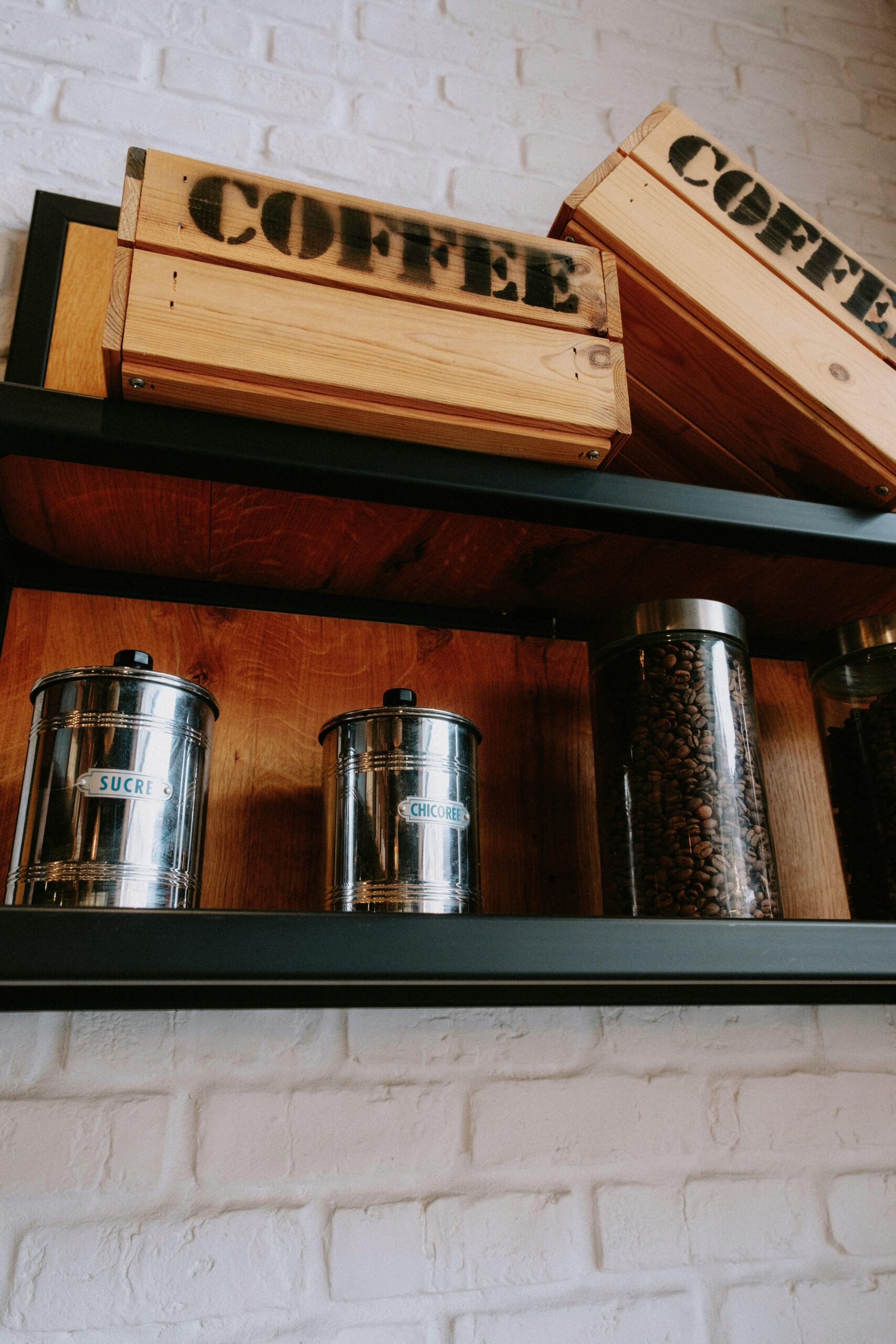
New Orleans, with its deep coffee culture, has been influenced by these African roots. The city’s love for the unique flavor of chicory coffee, for instance, has roots in West African traditions, where chicory and other herbal blends were commonly used in beverages.
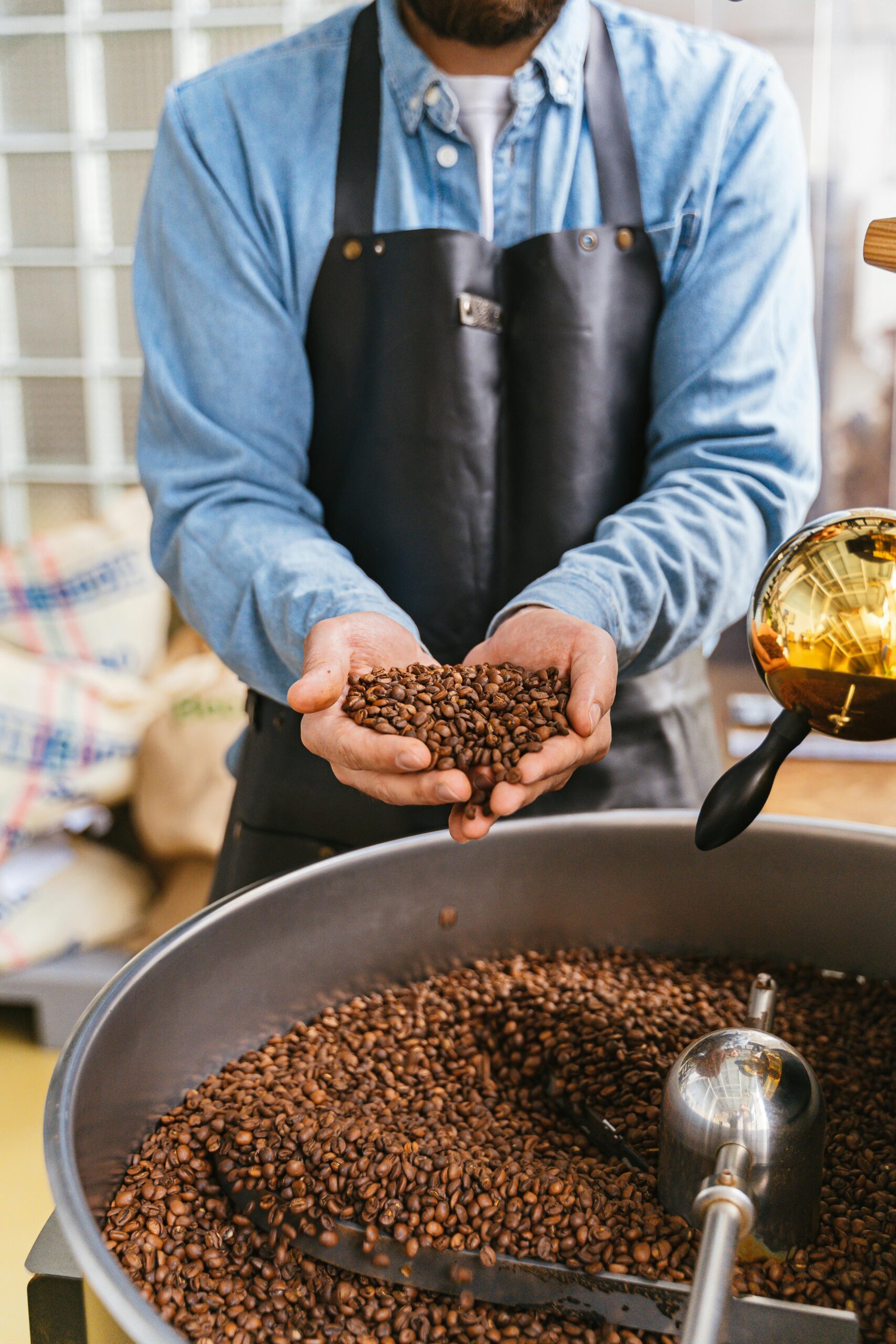
Today, New Orleans coffee roasters, like Current Crop Roasting Shop, continue to celebrate coffee’s rich African heritage through ethically sourced coffee beans and innovative roasting techniques.
The Role of Free People of Color in New Orleans’ Coffee Trade
In the 18th and 19th centuries, New Orleans was home to a thriving community of free people of color (gens de couleur libres), many of whom were skilled artisans, merchants, and entrepreneurs. Among them were coffee traders and café owners who helped shape the city’s bustling coffee scene.
Hailed as New Orleans’ first barista in the early 1800s, Rose Nicaud was born a slave but bought her own freedom at age twenty-eight by selling coffee to churchgoers on Sundays. Her coffee cart became a fixture near the Saint Louis Cathedral. She went on to sell coffee beverages from a permanent stall in the French Market for much of her life.
Cafés in New Orleans became cultural hubs where free Black individuals could gather, exchange ideas, and conduct business. These establishments laid the foundation for the city’s famous café culture, which continues to attract coffee lovers from around the world. The legacy of these early Black coffee entrepreneurs lives on in the vibrant coffee houses and roasters throughout the city today.
Enslaved Baristas and the Birth of Café au Lait
While modern-day coffee houses often feature trained baristas, early coffee-drinking preparation in New Orleans was largely carried out by enslaved individuals. These skilled workers were brewing coffee, frothing milk, and perfecting the art of café au lait—a beloved drink that remains a staple of New Orleans’ coffee culture.
Café du Monde, one of the most famous coffee spots in New Orleans, serves a version of this historic drink, blending coffee with chicory and hot milk. Though the contributions of enslaved coffee makers have been largely overlooked, their influence persists in the flavors and techniques still used today.
Black-Owned Coffee Roasters in New Orleans Continue the Legacy
Despite historical barriers to business ownership, African Americans have long found ways to establish themselves in the coffee industry. Today, Black-owned coffee houses in New Orleans, such as Baldwin & Co. and Backatown Coffee Parlour, are continuing the tradition of Black entrepreneurship in the coffee space.
These businesses not only provide high-quality coffee but also create spaces that celebrate African American culture, history, and literature. By supporting Black-owned coffee houses in New Orleans, coffee lovers can help preserve this important legacy and promote economic empowerment within the community.
The Rise of Coffee Consumption and Black Social Movements
Coffee has long played a role in social and political movements, and the Civil Rights Movement was no exception. During the 1950s and 1960s, coffee houses became meeting places for activists planning boycotts, protests, and marches. In New Orleans and beyond, coffee-fueled discussions about racial justice, equality, civil rights, and change.
Even today, most coffee shops continue to serve as community gathering places where conversations about Black history and culture thrive. With the rise of specialty coffee and a growing awareness of ethical sourcing, more consumers are recognizing the importance of supporting Black coffee farmers, roasters, and café owners.
Coffee History is Black History
Black history is deeply intertwined with the coffee industry, from the African origins of coffee beans to the contributions of Black entrepreneurs in New Orleans. By understanding these connections, we gain a greater appreciation for the coffee we drink and the people who have shaped its journey as one of the world’s most popular beverages.
Next time you enjoy a cup of coffee, whether from a local coffee roaster in New Orleans or your favorite café, take a moment to reflect on the rich history behind every sip. And if you’re looking to deepen your appreciation, consider taking a home roasting or coffee cupping class with Current Crop Roasting Shop. These hands-on experiences bring you into the world of coffee in a whole new way.
Whether you’re a casual coffee drinker or a true aficionado, knowing these interesting facts about coffee and Black history can enhance your appreciation for this beloved beverage. Cheers to coffee, history, and the incredible contributions of African Americans!