Coffee roasting is as much a science as it is an art. The roasting process is what transforms green coffee beans into the aromatic, flavorful coffee we love, thanks to a series of complex chemical reactions. Whether you prefer lighter roasts or darker roasts, understanding the science of coffee roasting can help you appreciate what goes into crafting the perfect cup of coffee.
At Current Crop Roasting Shop, we’re passionate about teaching coffee enthusiasts all about the intricate process of roasting and the chemistry that drives it. One of our foundational products is our regular coffee roasting classes, providing our community with hands-on instruction to achieve their own perfect roasts at home.
The Basics of Coffee Roasting
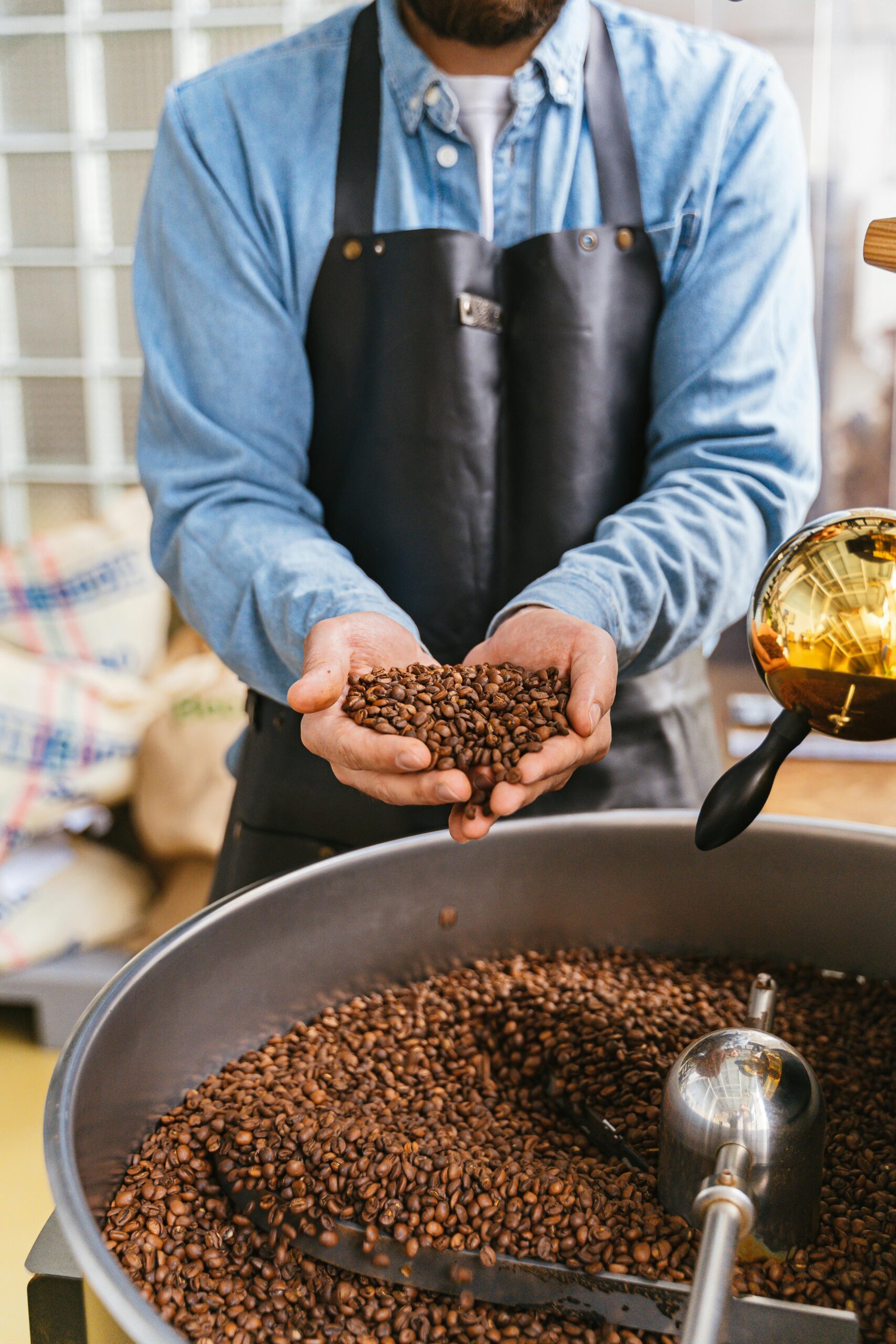
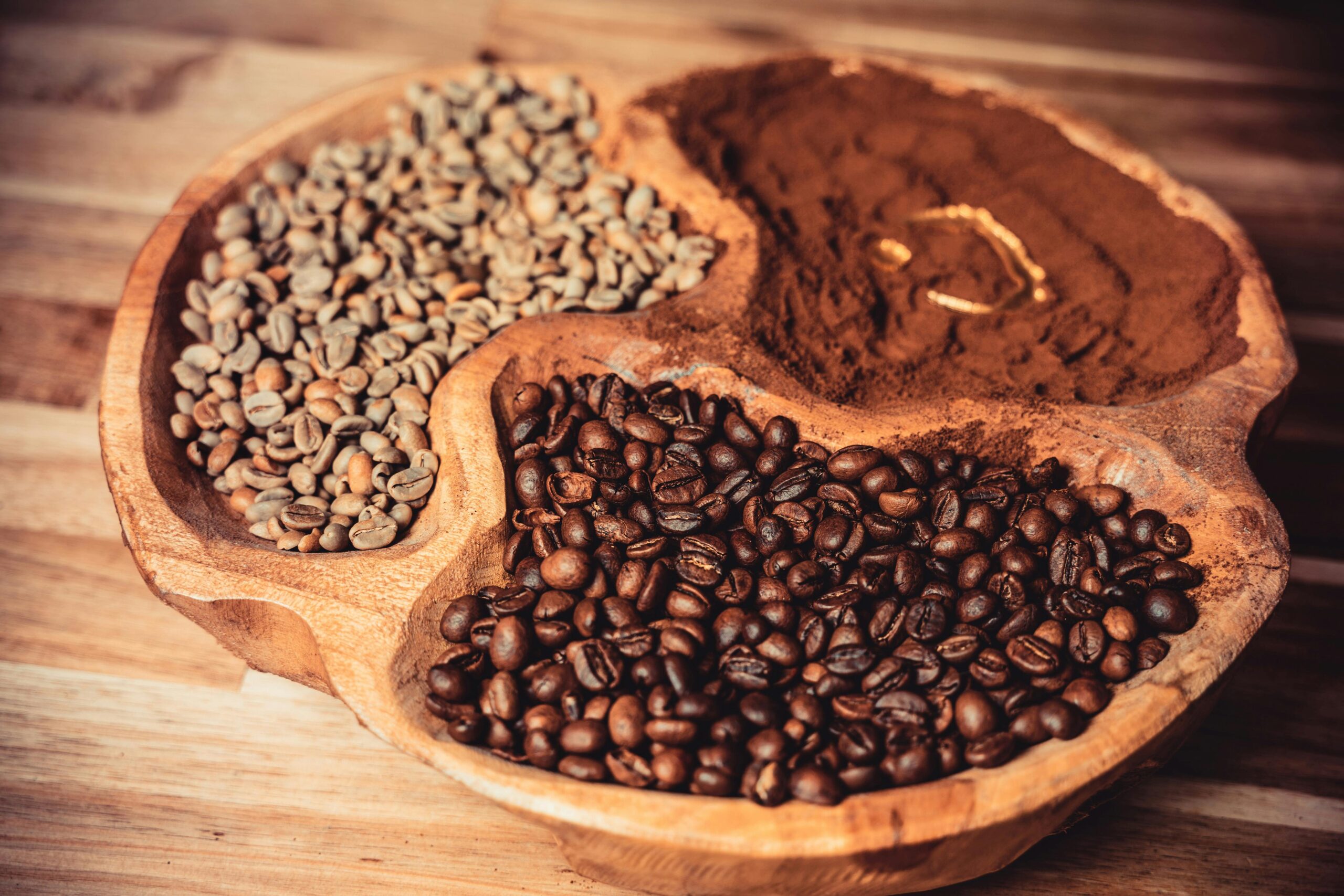
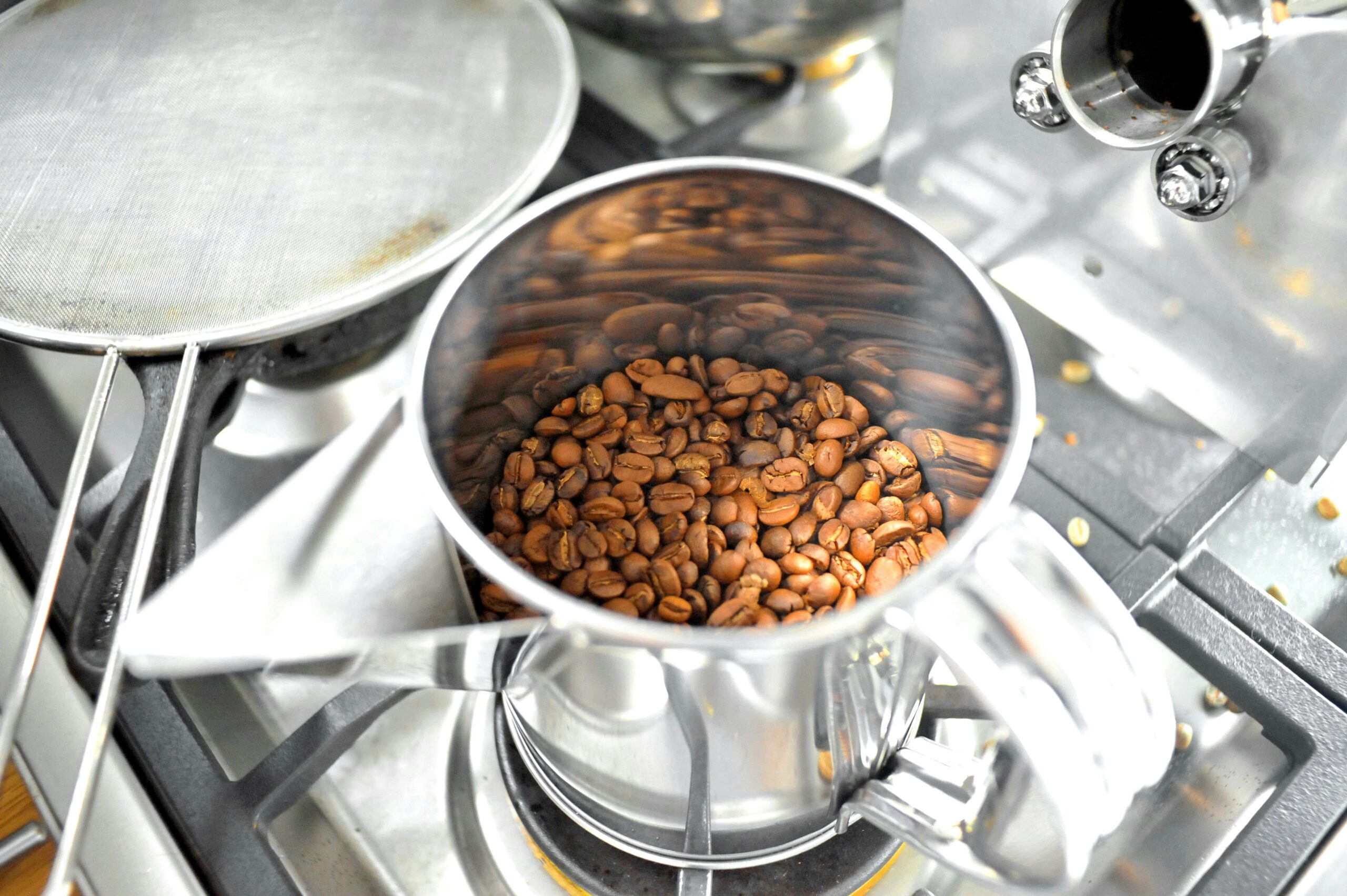
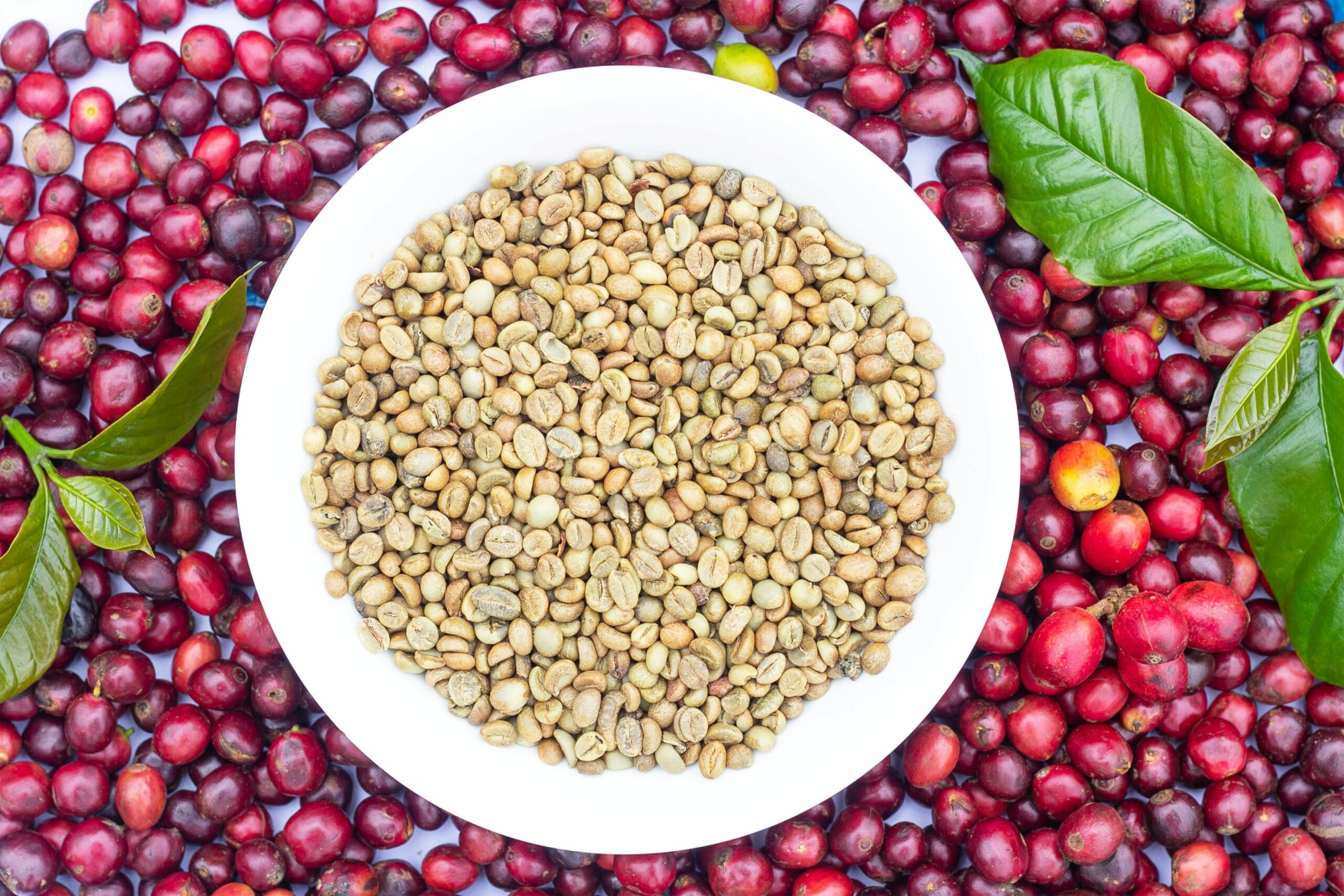
Before diving into the nitty-gritty science, let’s break down the roasting process in general. Green coffee beans start out dense, grassy-smelling, and unrecognizable from the coffee beans you grind and brew. Through roasting, the coffee beans undergo physical and chemical changes, developing their characteristic color, flavor, and aroma. A coffee roaster carefully controls time, temperature, and airflow to achieve the desired roast profile.
The roasting process occurs in stages:
- Drying Phase – Green coffee beans contain about 10-12% moisture. The first few minutes of roasting are dedicated to evaporating this moisture, preparing the beans for subsequent chemical reactions.
- Maillard Reaction – This reaction, occurring around 300-350°F, is where the magic begins. Sugars and amino acids react, leading to browning and the development of complex flavors.
- First Crack – At around 385-400°F, coffee beans expand and release steam, making a cracking sound. This marks the transition into lighter roasts.
- Caramelization & Pyrolysis – As roasting continues, sugars break down further, producing rich caramelized notes. Pyrolysis, or thermal decomposition, contributes to the formation of oils and deeper flavors.
- Second Crack (For Darker Roasts) – Around 435-450°F, another cracking sound occurs as cell walls break down further, leading to the bolder, smokier flavors of darker roasts.
The Chemistry Behind Coffee Roasting
Now, let’s explore the fascinating chemical reactions that take place during the process of roasting coffee beans.
Maillard Reaction: The Foundation of Coffee Flavor
The Maillard reaction is a cornerstone of coffee roasting. Named after French chemist Louis-Camille Maillard, this reaction is responsible for the browning of many foods, including bread crusts and grilled meats.
During coffee roasting, the Maillard reaction causes sugars and amino acids to interact, creating hundreds of aromatic compounds that contribute to the coffee’s flavor and aroma.
Lighter roasts retain more of the Maillard-driven flavors, often resulting in bright, floral, and fruity notes. In contrast, darker roasts develop bolder, chocolatey, and smoky characteristics as the reaction progresses.
Caramelization: Sweetness and Complexity
Caramelization is another crucial chemical reaction in coffee roasting. As the temperature rises beyond 370°F, sugars break down and form new compounds that enhance sweetness and complexity.
The deeper the roast, the more pronounced these caramelized flavors become. However, excessive caramelization can lead to bitterness, which is why a skilled coffee roaster needs to know how to carefully balance the roasting time and temperature.
Pyrolysis: The Breakdown of Organic Matter
Pyrolysis occurs when organic compounds in the coffee beans break down due to heat, releasing carbon dioxide and producing volatile compounds that influence taste and aroma. This reaction is particularly significant in darker roasts, where the breakdown of cellulose and other structural components contributes to the bold and smoky profile.
The Role of Acidity and Oils in Coffee Roasting
Acidity plays a vital role in coffee’s flavor profile. Lighter roasts tend to have higher acidity, resulting in bright, tangy flavors, while darker roasts exhibit lower acidity and fuller-bodied characteristics. The roasting process alters the acidity of coffee beans, with longer roasting times reducing the presence of organic acids like citric and malic acid.
Additionally, roasting influences the extraction of oils within the coffee beans. Darker roasts often appear shinier due to surface oils released during roasting. These oils contribute to body and mouthfeel, enhancing the overall coffee experience.
The Impact of Roasting on Caffeine Content
One common misconception is that darker roasts contain more caffeine than lighter roasts. In reality, caffeine content remains relatively stable during roasting. However, since darker roasts lose more mass due to prolonged roasting, they have slightly less caffeine per roasted bean by weight. If you’re looking for a higher caffeine kick, you might actually get more from a lighter roast!
Regional Flavor Profiles of Green Coffee Beans
The origin of green coffee beans plays a significant role in their flavor profile. Coffee-growing regions around the world produce beans with distinct characteristics influenced by climate, soil composition, and altitude.
African Coffee Beans
African coffees, particularly from Ethiopia and Kenya, are known for their bright acidity and complex fruit-forward flavors. Ethiopian beans often exhibit floral and citrus notes, with some varieties boasting blueberry or jasmine-like characteristics. Kenyan coffee beans, on the other hand, tend to have a wine-like acidity with deep berry and blackcurrant flavor notes.
Latin American Coffee Beans
Latin America is home to some of the most widely consumed coffee varieties. Colombian coffee is well-balanced, with a smooth body, mild acidity, and caramel sweetness. Brazilian beans, often used in espresso blends, have nutty, chocolatey flavors with a low acidity. Meanwhile, coffee beans from Costa Rica are celebrated for their bright citrus notes and crisp, clean finish.
Asian and Pacific Coffee Beans
Coffees from Indonesia, particularly Sumatra and Java, are known for their earthy, spicy, and full-bodied profiles. Sumatran beans have a distinctive herbal and chocolatey richness, while Javanese coffee tends to be smooth and syrupy. Meanwhile, beans from Papua New Guinea strike a balance between fruity acidity and deep, full-bodied notes.
Finding Your Perfect Roast
Understanding the science behind roasting helps coffee lovers appreciate the craftsmanship involved in every batch. Whether you’re drawn to the bright acidity of lighter roasts or the bold richness of darker roasts, knowing how chemical reactions shape flavor and aroma can elevate your coffee experience.
At Current Crop, we offer hands-on roasting classes – where you can learn to control the roasting process and experiment with different profiles – as well as a variety of other unique coffee-centric classes. Join us to deepen your knowledge of coffee science and develop your perfect roast!
The next time you take a sip of brewed coffee, remember that each bean has undergone an intricate transformation, guided by heat, chemistry, and expertise. Enjoy the journey—one cup at a time.