Coffee is one of the world’s most beloved beverages, consumed by billions daily, yet its production significantly impacts both the environment and the livelihoods of farming communities. As conscious consumers, understanding sustainable coffee sourcing empowers us to make choices that support ecological preservation while ensuring fair compensation for coffee farmers. The journey from bean to cup involves complex supply chains, and every purchasing decision can contribute to positive change in coffee-growing regions worldwide.
Understanding Coffee’s Environmental Impact
Coffee production faces numerous environmental challenges that make sustainable sourcing crucial. Traditional farming methods often involve deforestation, excessive water usage, and heavy pesticide application, which degrade soil quality and harm local ecosystems. Climate change threatens coffee-growing regions with rising temperatures and unpredictable weather patterns.
Monoculture farming reduces biodiversity and makes crops vulnerable to pests and diseases, requiring increased chemical inputs. Coffee processing requires substantial water resources – up to 37 gallons per cup when accounting for growing, processing, and preparation. The carbon footprint extends beyond farming to include transportation, roasting, and packaging.
Key Sustainability Certifications to Look For
Several certification programs help consumers identify sustainably sourced coffee. Fair Trade certification ensures farmers receive fair prices while prohibiting child labor and promoting safe working conditions. Organic certification indicates coffee grown without synthetic pesticides, herbicides, or fertilizers, protecting environmental and human health.
Rainforest Alliance certification focuses on environmental conservation, wildlife protection, and worker welfare. Bird Friendly certification ensures coffee is grown under tree canopies that provide habitat for migrating birds. Direct Trade represents relationships where roasters work directly with farmers, often paying premium prices and providing technical support.
The Importance of Traceability and Transparency
True sustainability requires transparency throughout the coffee supply chain. Traceability allows consumers to understand exactly where their coffee originates, how it was grown, and who was involved in production. Many specialty roasters now provide detailed information about their sourcing practices, including farm names, processing methods, and farmer stories.
Single-origin coffees often offer better traceability than blends, coming from specific farms or cooperatives. This specificity makes it easier to verify sustainable practices and understand your purchase’s impact on particular communities.
Supporting Direct Trade Relationships
Direct trade relationships between roasters and farmers represent one of the most effective approaches to sustainable coffee sourcing. These partnerships often bypass traditional commodity markets, allowing farmers to receive higher prices while giving roasters greater control over quality and sustainability practices.
Learning to identify and appreciate quality differences in coffee helps support these direct relationships. Professional cupping classes teach you to evaluate coffee systematically, understanding how origin, processing method, and farming practices affect flavor. This knowledge helps you make more informed purchasing decisions and appreciate the value of sustainably grown, high-quality coffee.
When you can taste the difference between coffees grown using different methods, you’re more likely to pay premium prices for sustainably sourced beans. This willingness to pay more directly supports farmers who invest in environmental stewardship and quality improvement.
Choosing the Right Green Coffee Beans
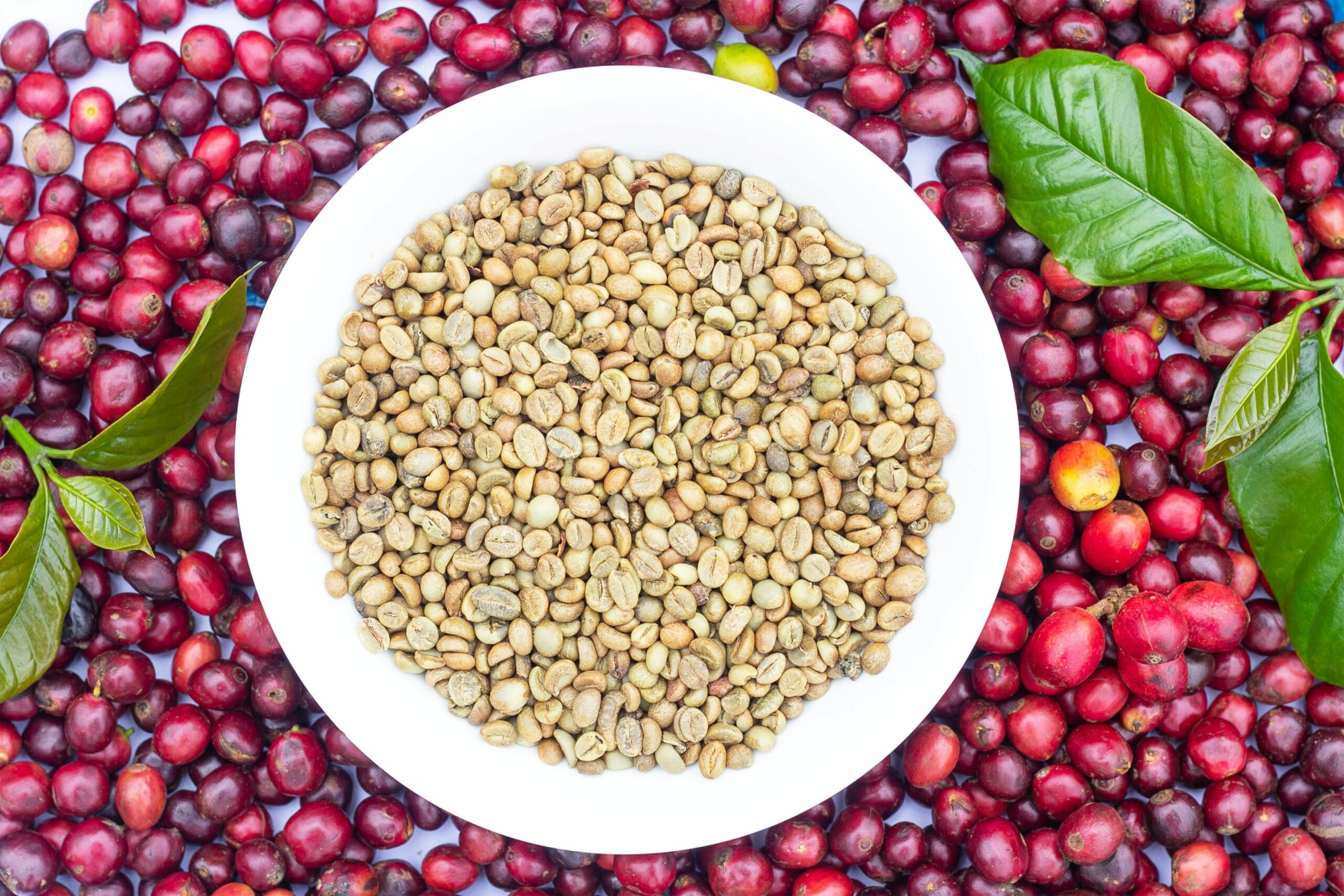
For home roasters, selecting sustainable green coffee beans requires research and relationship-building with reputable suppliers. Look for importers who provide detailed information about farming practices, processing methods, and farmer compensation. Consider suppliers committed to long-term relationships with farming communities, as they often provide more stability and support for sustainable practices.
Quality green coffee beans often reflect sustainable growing practices, as healthy soil and diverse ecosystems typically produce better-tasting coffee. High-quality green coffee selections from reputable sources often include detailed information about farming practices and community impact, making sustainable choices easier.
The Role of Processing Methods in Sustainability
Coffee processing methods significantly impact environmental sustainability and cup quality. Washed processing produces clean, bright flavors but requires substantial water usage. Natural processing uses less water but requires careful drying to prevent defects. Honey processing and experimental fermentation methods offer middle-ground approaches that reduce water usage while creating unique flavor profiles.
Understanding these processing methods helps you make informed choices about environmental impact. Look for processors who implement water recycling systems, use renewable energy, or have developed innovative approaches to reduce waste.
Building Your Sustainable Coffee Knowledge
Developing expertise in sustainable coffee sourcing requires ongoing education and engagement with the coffee community. Understanding brewing techniques helps you extract the best flavors from sustainably sourced beans, ensuring premium prices paid for ethical coffee translate into exceptional taste experiences.
Home brewing workshops can help you master techniques that showcase the unique characteristics of different origins and processing methods. When you can properly prepare sustainably sourced coffee, you’re more likely to appreciate its value and continue supporting responsible sourcing practices.
Making Sustainable Choices as a Consumer
Sustainable coffee sourcing extends beyond purchasing decisions to include consumption habits and waste reduction. Buy only what you can consume while coffee is fresh, typically within two to four weeks of roasting. Proper storage in airtight containers helps maintain quality and reduces waste.
Consider packaging when making coffee purchases, choosing suppliers who use recyclable or compostable materials. Support local roasters who prioritize sustainable sourcing, as shorter supply chains often have lower environmental impacts.
Conclusion
Choosing sustainable coffee means learning about where your coffee comes from, being willing to pay fair prices, and supporting farmers who care about the environment. By looking for the right labels, choosing traceable coffee, and supporting direct trade relationships, you can help make positive changes in coffee-growing communities while enjoying great coffee.
Making sustainable coffee choices is an ongoing journey. As the coffee industry changes and improves, staying informed and making conscious choices helps ensure that your daily coffee habit contributes to a better, more fair future for coffee farmers and the environment.