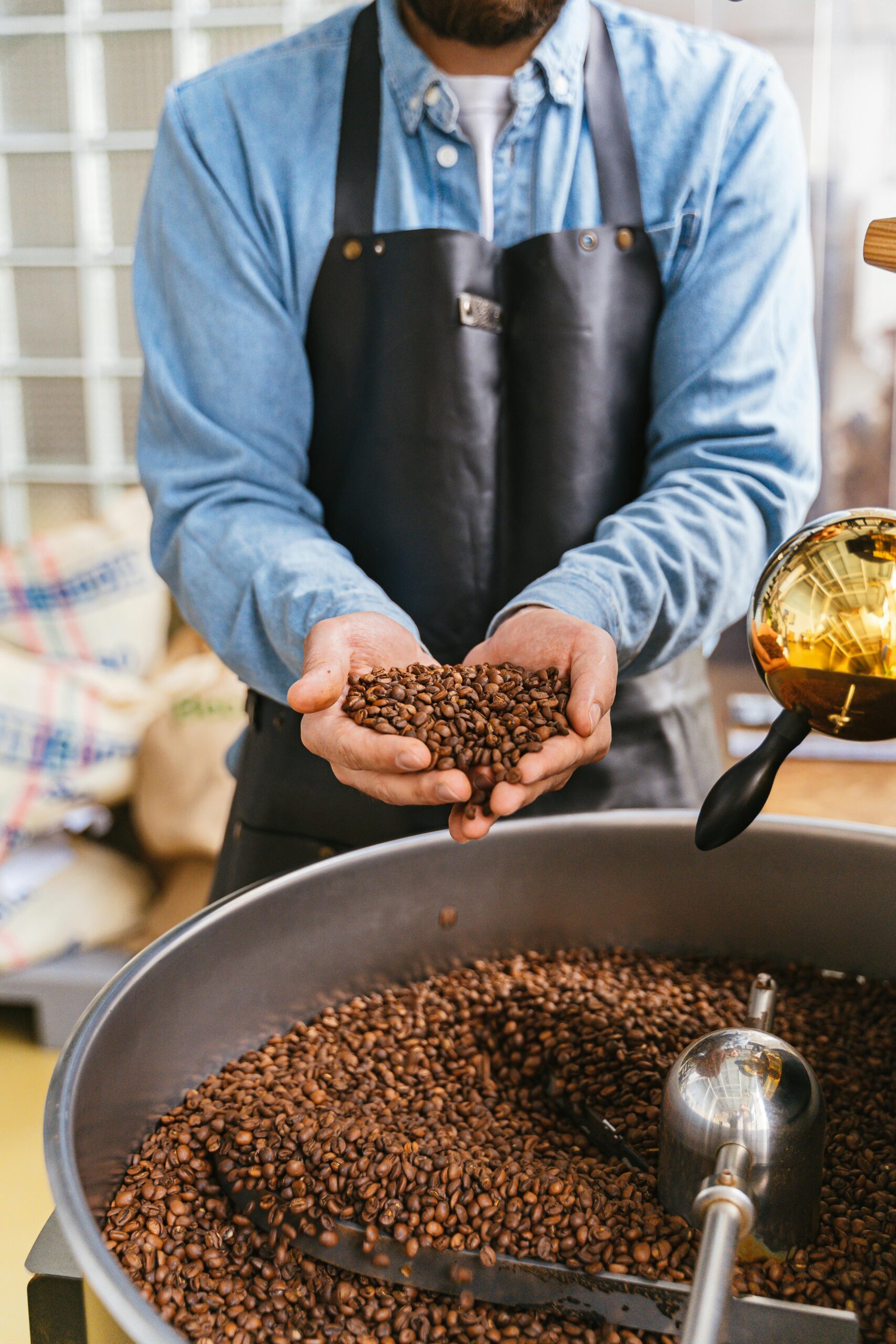
The holidays are here, and whether you’re hosting an intimate dinner party or a festive gathering, there’s one combination that never fails to delight: coffee and dessert. As a coffee roaster who’s spent years exploring flavor profiles and helping people discover their perfect cup—from selecting green coffee beans to teaching coffee roasting classes—I can tell you that pairing coffee with dessert is an art form that transforms both elements into something greater than the sum of their parts.
Think of it like wine pairing, but more accessible and just as sophisticated. The right coffee can amplify the flavors in your dessert, cleanse the palate between bites, or provide a beautiful contrast that makes each sip and bite more memorable. This holiday season, let’s explore pairings that will have your guests asking for your secrets.
Understanding the Basics of Coffee and Dessert Pairing
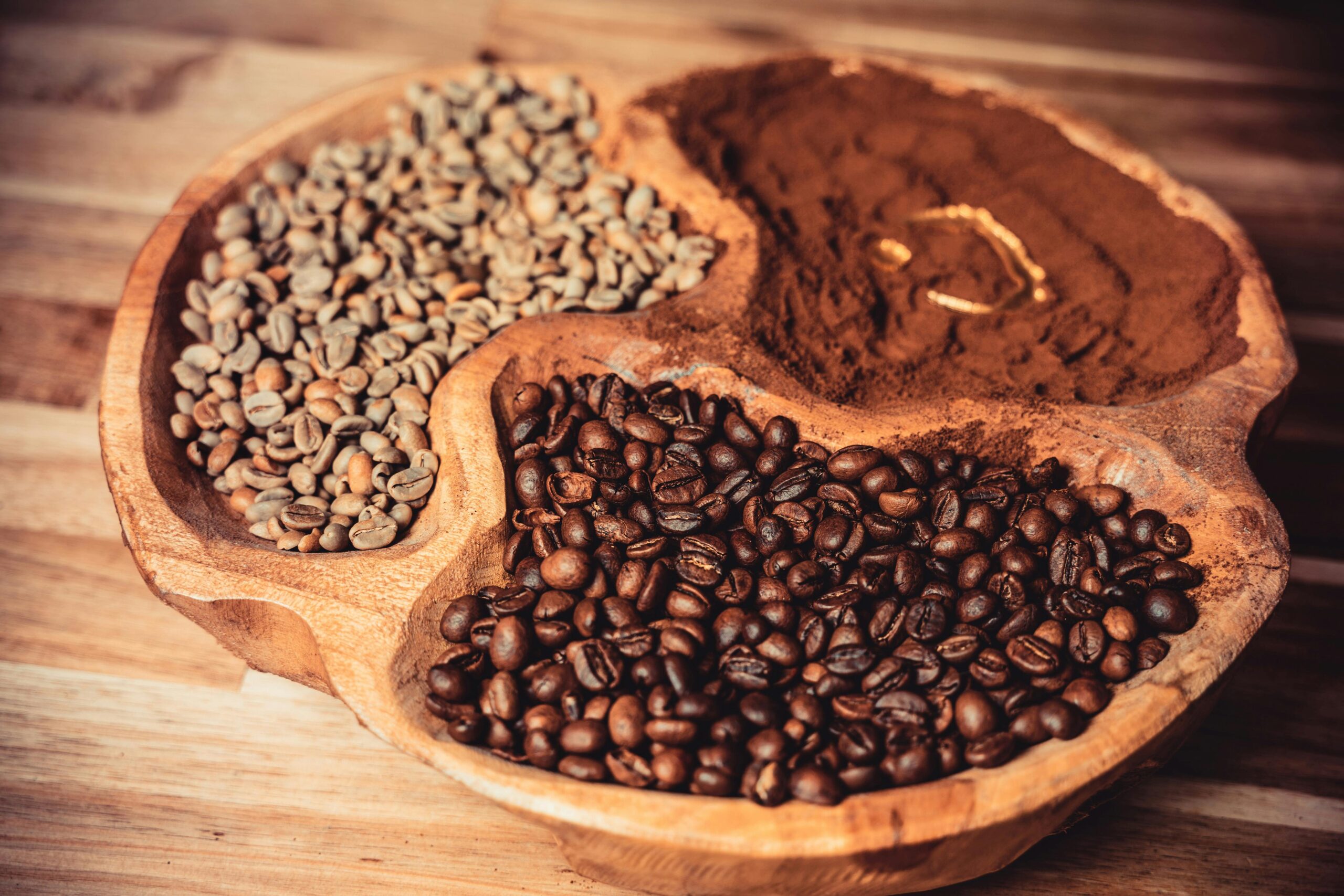
Coffee offers an incredible range of flavors—from bright and fruity to rich and chocolatey, from nutty and smooth to bold and spicy. Whether you’re working with freshly roasted beans or starting from green coffee beans that you roast yourself at home, the key is either complementing similar flavors or creating an intentional contrast that highlights what makes each element special.
Lighter roasted coffees with bright, acidic notes pair beautifully with fruit-forward desserts, while darker roasts with chocolatey, caramelized notes are perfect companions for rich, decadent treats.
Classic Holiday Pairings That Never Disappoint
Chocolate Yule Log with Colombian El Gato Supremo
A traditional bûche de Noël deserves an equally bold coffee companion. Reach for a dark roasted Colombian coffee like the El Gato Supremo with notes of cocoa and caramel. The coffee’s natural bitterness cuts through the richness of the chocolate buttercream while the complementary cocoa notes create a harmonious, intensely satisfying experience.
Pumpkin Pie with Costa Rican La Minita Estate
Pumpkin pie calls for a coffee that can stand up to warm spices. A medium roast from Costa Rica, particularly the La Minita Estate from Tarrazu with notes of cinnamon, nutmeg, or brown sugar, creates a beautiful harmony. The coffee’s natural sweetness enhances the pie’s spices without overwhelming the delicate pumpkin flavor.
Pecan Pie with Brazilian Sweet Blue
Brazilian coffees like the Sweet Blue from Daterra Estate have a natural nuttiness with chocolate undertones that make them ideal partners for pecan pie. The coffee’s smooth, sweet profile complements the pie’s caramelized filling and toasted pecans while providing just enough acidity to prevent the pairing from becoming too heavy.
Elevating Your Pairings with Unexpected Combinations
Lemon Tart with Ethiopian Yirgacheffe
Ethiopian coffees, particularly those from Yirgacheffe like the Gedeb Worka Sakaro or Misty Valley, are known for their bright, tea-like qualities and citrus and floral notes. When paired with a tart, zesty lemon dessert, the coffee’s natural acidity creates a refreshing, palate-cleansing experience that’s sophisticated and unexpected.
Gingerbread Cookies with Sumatran Mutu Batak
Gingerbread is packed with molasses, ginger, and warming spices. Pair these festive cookies with a Sumatran coffee like the Mutu Batak, which has earthy, herbal notes with a full body. The coffee’s complexity stands up to the bold ginger, while the earthy notes create an intriguing foundation.
Tiramisu with Medium Roast Espresso
Tiramisu literally means “pick me up” in Italian, and traditionally it’s made with espresso-soaked ladyfingers. Serving it with a freshly brewed medium roast espresso creates a full-circle moment, echoing the flavors already present in the dessert while adding a fresh, aromatic dimension.
The Home Roasting Advantage for Holiday Pairings
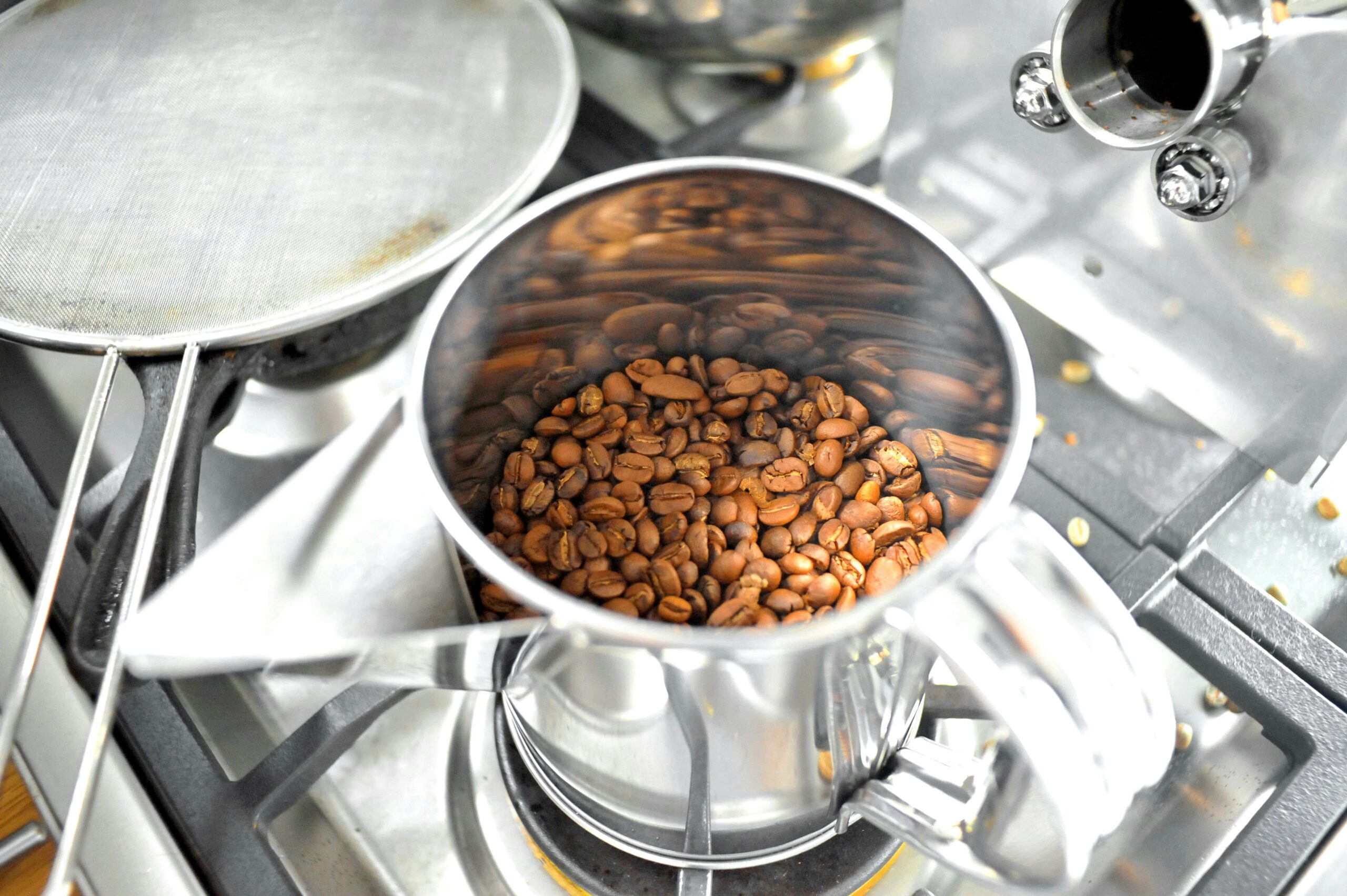
For those who want to take their coffee game to the next level this holiday season, home roasting opens up a world of possibilities. When you start with green coffee beans, you have complete control over the roast level, which dramatically affects how your coffee will pair with desserts. Want a lighter roast to highlight those bright, fruity notes for your lemon tart? Or perhaps a darker roast with more caramelization for your chocolate desserts? Home roasting lets you customize each batch.
Coffee roasting classes are an excellent investment if you’re considering this path. You’ll learn not just how to roast, but how to taste and understand what’s happening at different stages of the roast. This knowledge transforms you from someone who simply follows pairing suggestions to someone who can create their own perfect matches. Many home roasters find that purchasing green coffee beans is not only more economical in the long run, but also gives them access to a much wider variety of origins and processing methods than they’d find in pre-roasted options at their local grocery store.
Tips for Serving Coffee at Your Holiday Gathering
The presentation matters almost as much as the pairing itself. Here are some tips from someone who’s served coffee at countless holiday events:
Temperature is Everything: Serve your coffee hot, but not scalding. The ideal temperature for tasting is between 140-160°F. Too hot, and your guests won’t be able to taste the nuanced flavors; too cool, and the experience falls flat.
Offer Options: Not everyone likes their coffee the same way. Have cream, milk alternatives, and sweeteners available, but encourage guests to try the pairing as intended first—black coffee with the dessert—before adding anything. They might be surprised by how well the natural flavors work together.
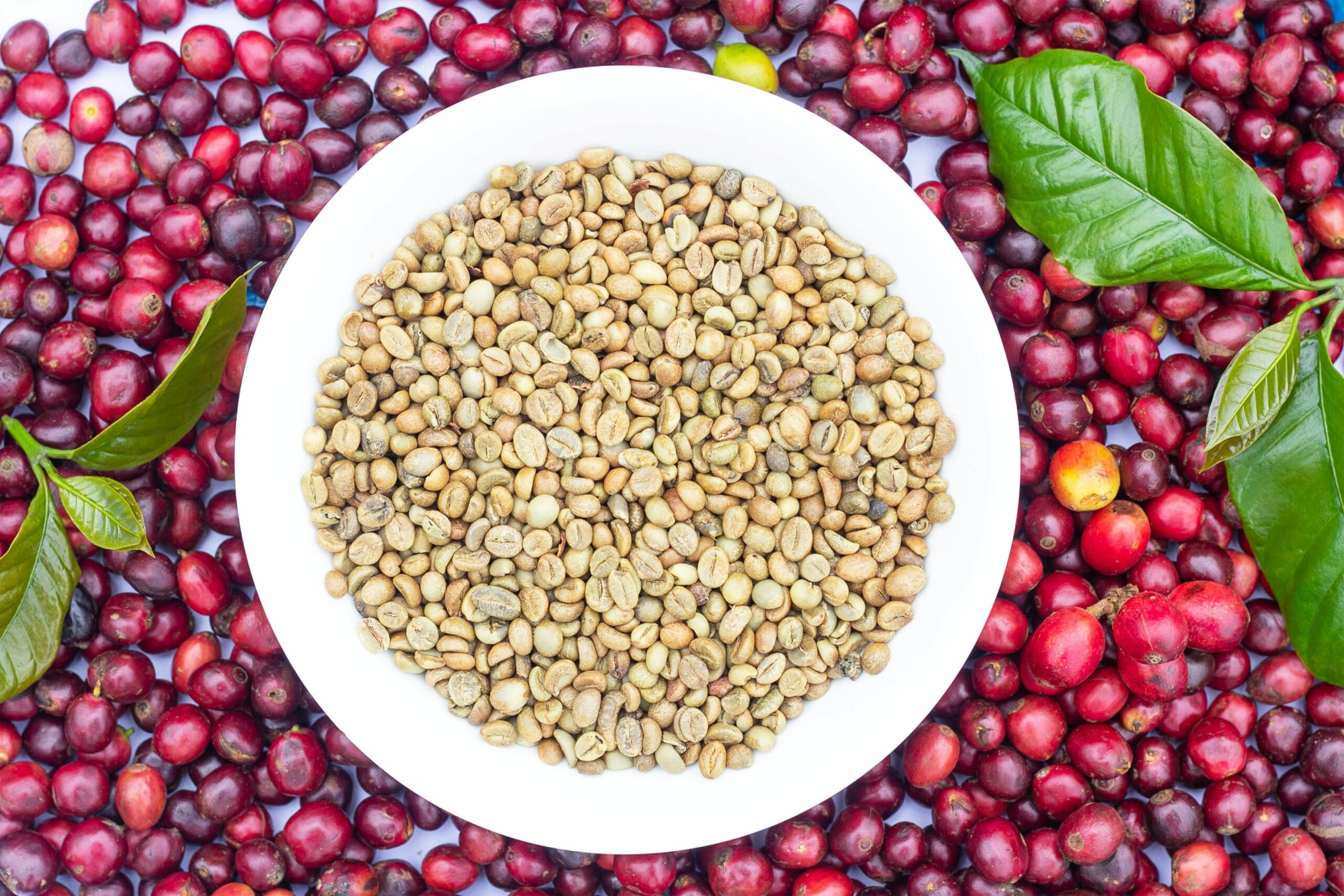
Consider Freshness: Coffee is best enjoyed fresh. If you’re roasting your own beans at home from green coffee beans, aim to use them within two weeks of roasting for optimal flavor. The beauty of starting with green coffee beans is that they stay fresh much longer in their unroasted state—sometimes up to a year when stored properly—giving you complete control over when you roast for peak freshness. If you’re buying roast-to-order coffee, make sure to order it close to your event date so the flavors are at their peak.
Learning More About the Art of Pairing
If you’re fascinated by coffee and dessert pairings, pastry pairing classes are an excellent way to explore these flavor relationships in a hands-on environment, guided by experts who can explain the “why” behind each pairing.
These sessions go beyond simple tastings—you’ll learn about flavor compounds, brewing methods, and how to develop your palate for creating perfect pairings. Coffee roasting classes can teach you how to control the roast level to bring out specific flavor notes that work best with different desserts.
The Gift That Keeps on Giving
Send your guests home with a small bag of the coffee they enjoyed most. Or consider a gift card that lets them explore different coffees and discover their own perfect pairings throughout the year.
Final Thoughts
Pairing coffee with dessert doesn’t require a sophisticated palate—it just requires curiosity and a willingness to experiment. Start with these classic pairings, but don’t be afraid to trust your instincts and try something unexpected. And if you really want to elevate your coffee knowledge, consider coffee roasting classes where you can learn the fundamentals that will serve you for years to come.
This holiday season, take a moment to savor the combination of flavors in front of you. Notice how the coffee changes as it cools, how the dessert tastes different after each sip, and how the conversation flows when everyone’s gathered around something delicious. That’s the real magic of coffee and dessert pairing—it brings people together and creates moments worth remembering.
Happy holidays, and here’s to many perfect pairings in your future!