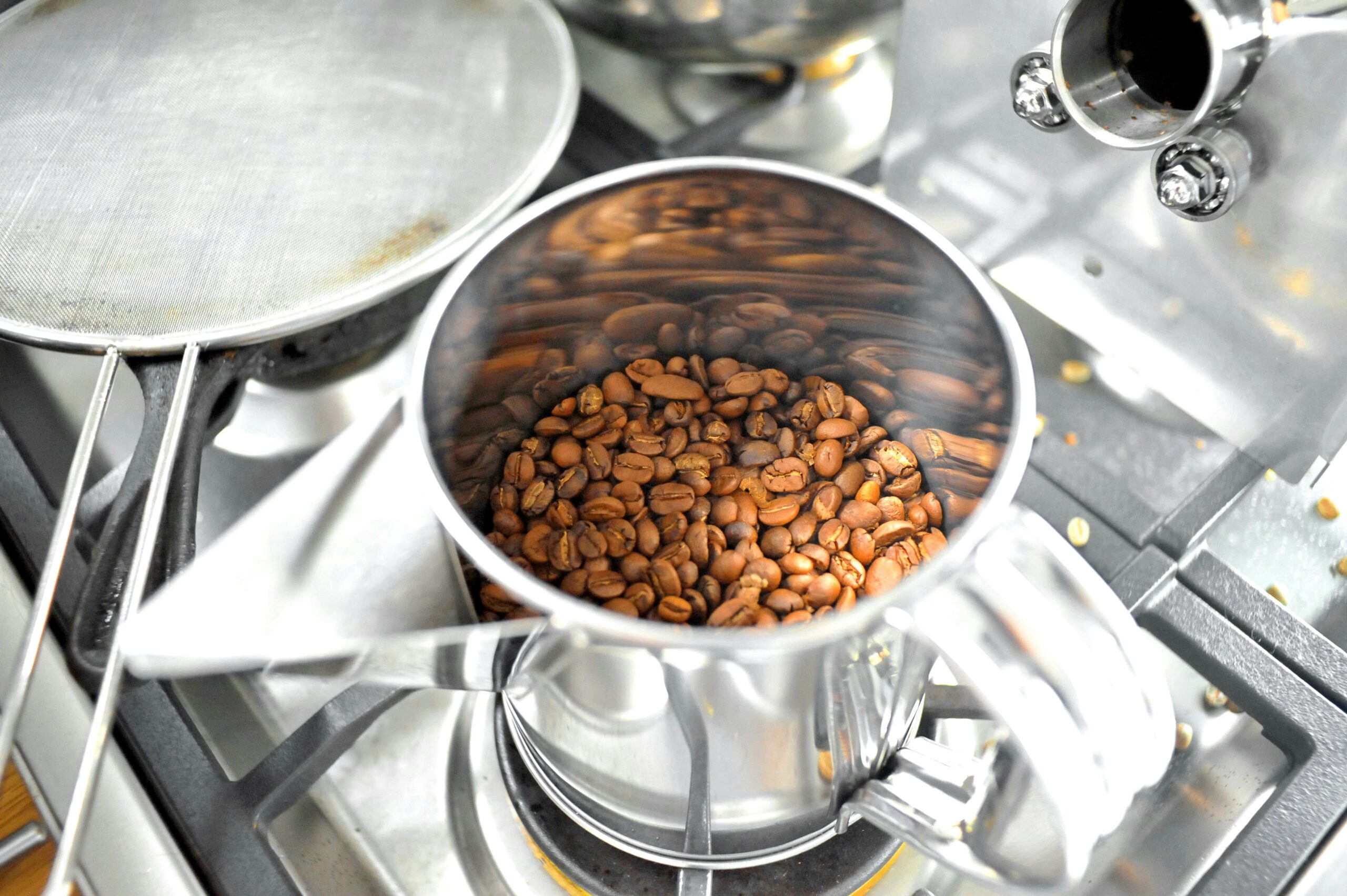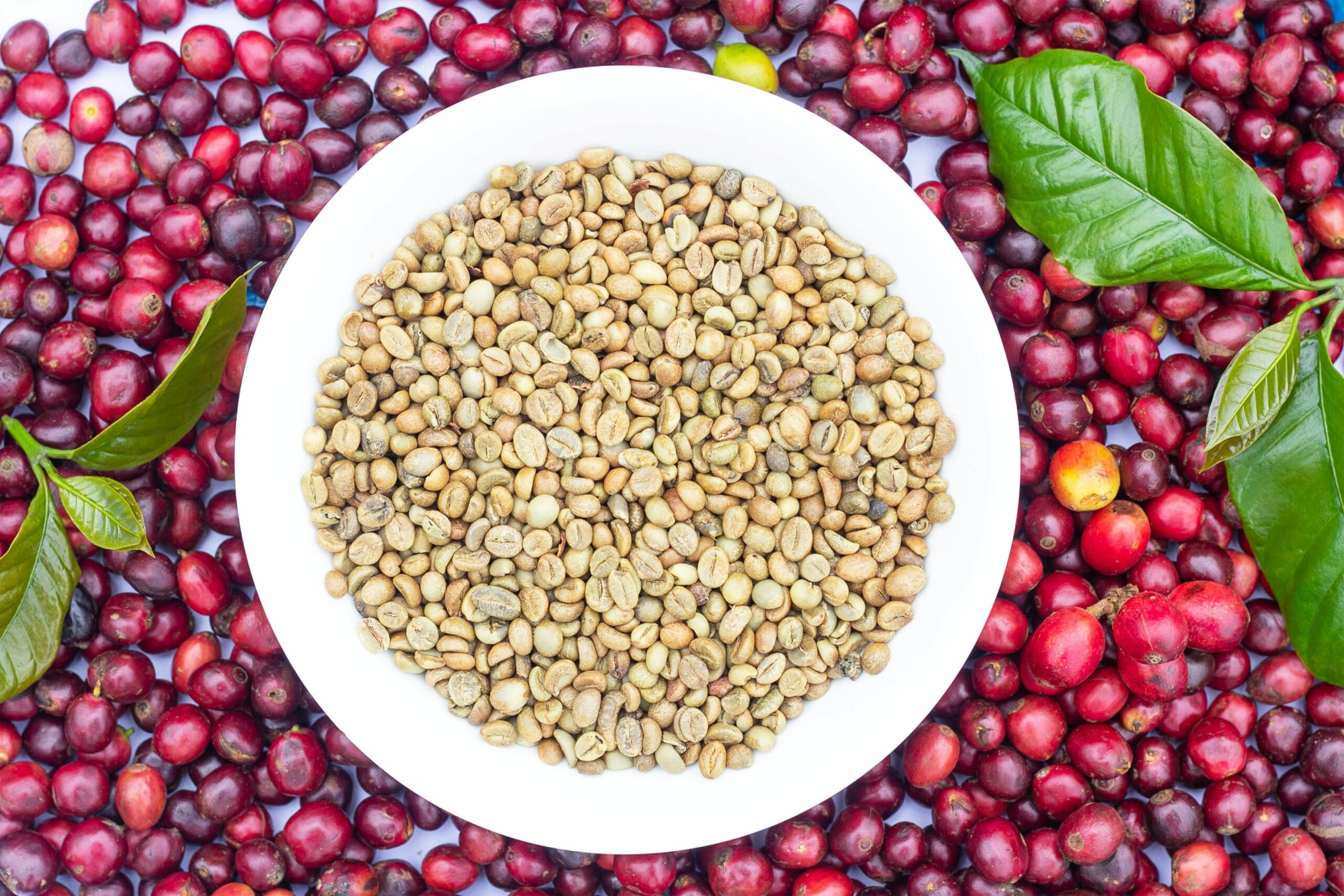
When cold weather sets in, there’s nothing quite like roasting a fresh batch of coffee at home. The rich aromas and full-bodied flavors can create a sense of coziness and warmth even on the chilliest days. One way to enhance this experience is by thoughtfully choosing green coffee beans from origins known for their comforting, soul-warming flavor profiles.
Why Winter Roasts Are Special
During winter, our palates crave flavors that are richer, deeper, and more indulgent—notes of chocolate, spice, toasted nuts, and dried fruit. Selecting green coffee beans that naturally highlight these qualities makes each home-roasted cup feel like a seasonal treat.
Top Coffee Origins for Winter Comfort
Ethiopia:
Many Ethiopian beans, especially those from Yirgacheffe and Sidama, are famous for their floral, berry-forward cups. In winter, try roasting them a bit darker than typical to coax out cocoa and warming spice undertones, balancing brightness with comforting depth.
Guatemala:
Guatemalan coffees—especially from regions like Antigua or Huehuetenango—often showcase flavors of chocolate, caramel, and a soft, holiday spice finish. These make for an easy-drinking winter coffee, especially at medium-dark roast levels.
Sumatra:
Sumatran beans are renowned for their earthy, syrupy body and flavors of cedar, baking spices, and dark chocolate. Their trademark richness and low acidity are perfectly suited to cold mornings and pair beautifully with spiced desserts.
Brazil:
Brazil produces classic comfort coffees, with dominant notes of roasted nuts, cocoa, and subtle toffee. These beans are especially well-suited for blending or for those seeking a smoother, rounder cup.
Colombia:
Colombian beans can bring dried fruit sweetness and brown sugar notes to your cup, often balanced with gentle citrus or berry. Opt for medium roasts that elevate these flavors while keeping the brew lush and satisfying.
India:
If you love more exotic profiles, Monsoon Malabar beans from India develop a mellow, spicy, almost rustic character after roasting, making them a winter favorite for many espresso or French press fans.
How to Choose and Roast for Winter
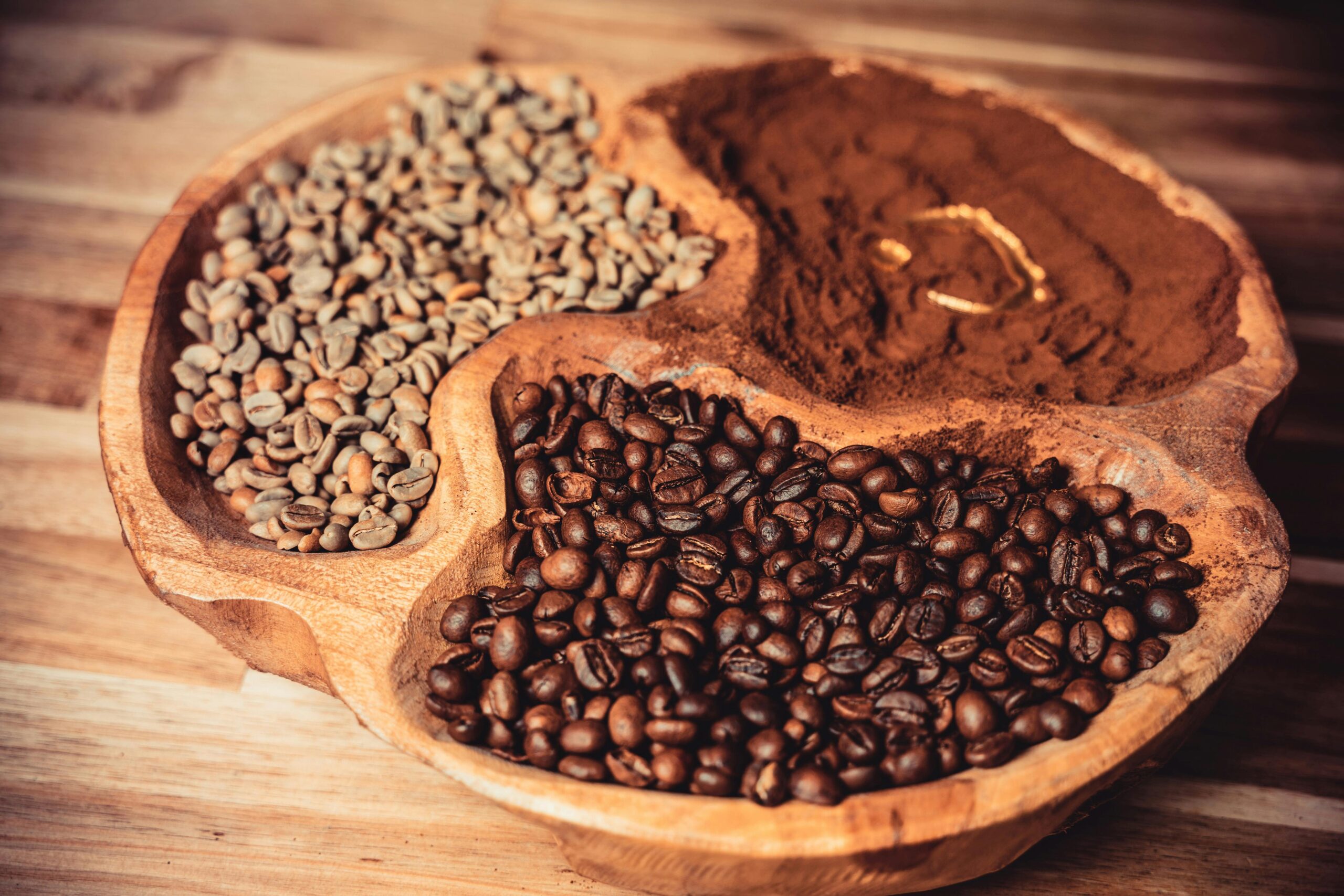
When selecting green coffee beans for winter roasting, look for origins noted for richness and comfort. Check that your supplier offers fresh, specialty-grade beans and a wide selection to suit your taste. You can easily find quality options in this unroasted coffee beans collection.
Roasting Tips:
Opt for medium or medium-dark roasts to accentuate deeper flavors like nuts, caramel, and chocolate.
Let the beans rest for at least 4-6 days after roasting to allow the flavors and aromatics to mature.
Experiment with single origins or create your own custom winter blend.
Take It Further: Explore Coffee Learning
Winter is the perfect time to expand your coffee knowledge and palate. Consider joining a cupping class to learn how professionals taste and evaluate coffee. Cupping experiences can help you identify subtleties in flavor, develop your tasting vocabulary, and discover new favorite beans.
These classes are open to all skill levels and offer hands-on guidance, community connection, and a chance to fine-tune your roasting and brewing skills—ideal for home enthusiasts looking to make the most of their winter coffee experience.
Conclusion
Roasting coffee at home during winter is more than a culinary project—it’s a way to make the most of the season’s quiet, reflective spirit. By choosing green beans with the right origin profiles and warming flavors, you can create memorable, comforting cups to enjoy through every frosty morning and snowy night.