Walk into any coffee shop or scroll through an online bean retailer, and you’ll quickly notice that coffee comes in a dizzying number of roast levels, origins, and flavor descriptions. Blueberry notes? Chocolatey finish? Bright acidity? It can feel overwhelming, especially when all you want is a great cup of coffee to start your morning right.
Here’s the good news: choosing the right roast doesn’t require a barista certificate or a refined palate. It just takes a little know-how. Once you understand the basics of how roasting works and what each roast level actually tastes like, finding your perfect cup becomes a whole lot easier and a whole lot more fun.
What Roasting Actually Does to a Coffee Bean
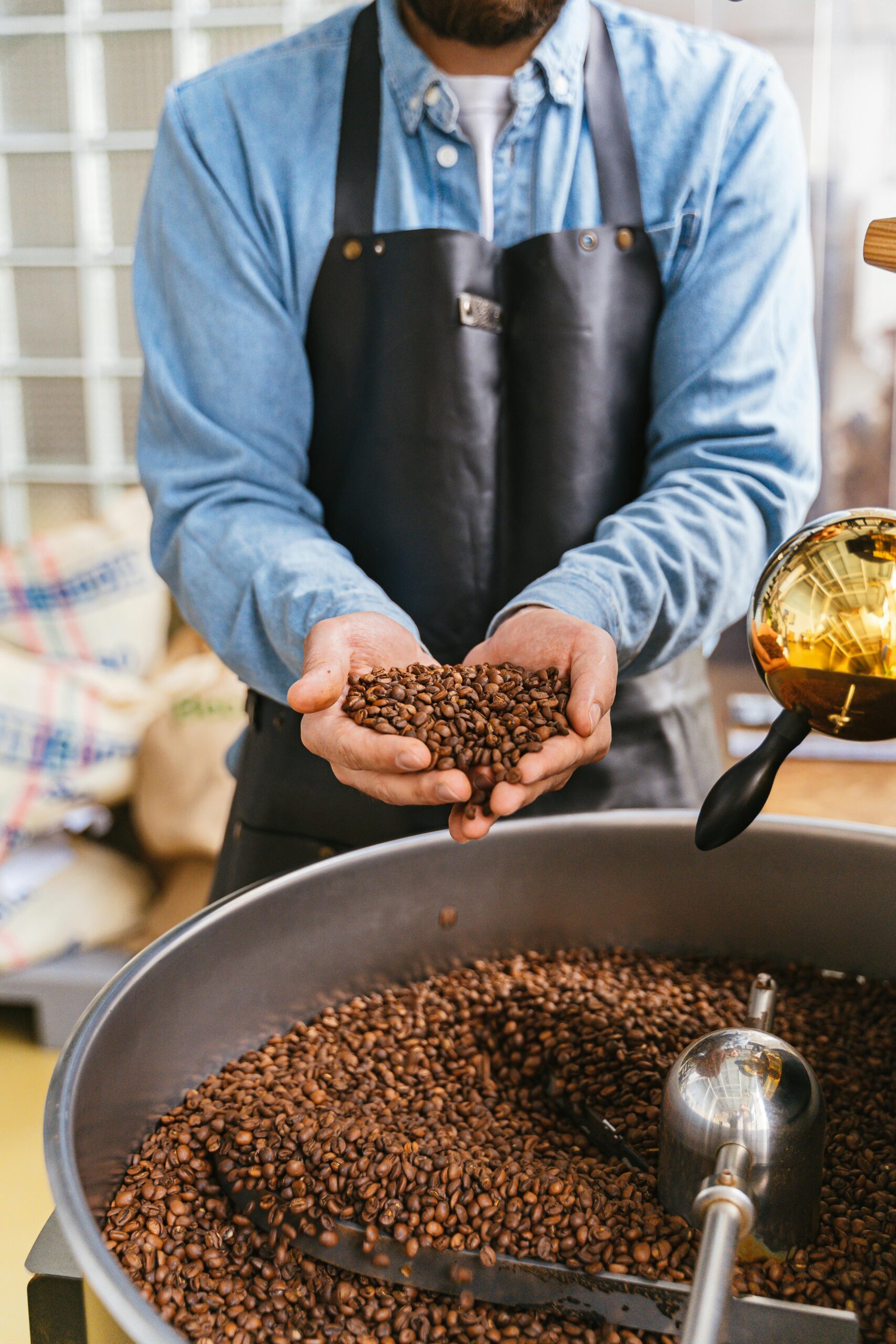
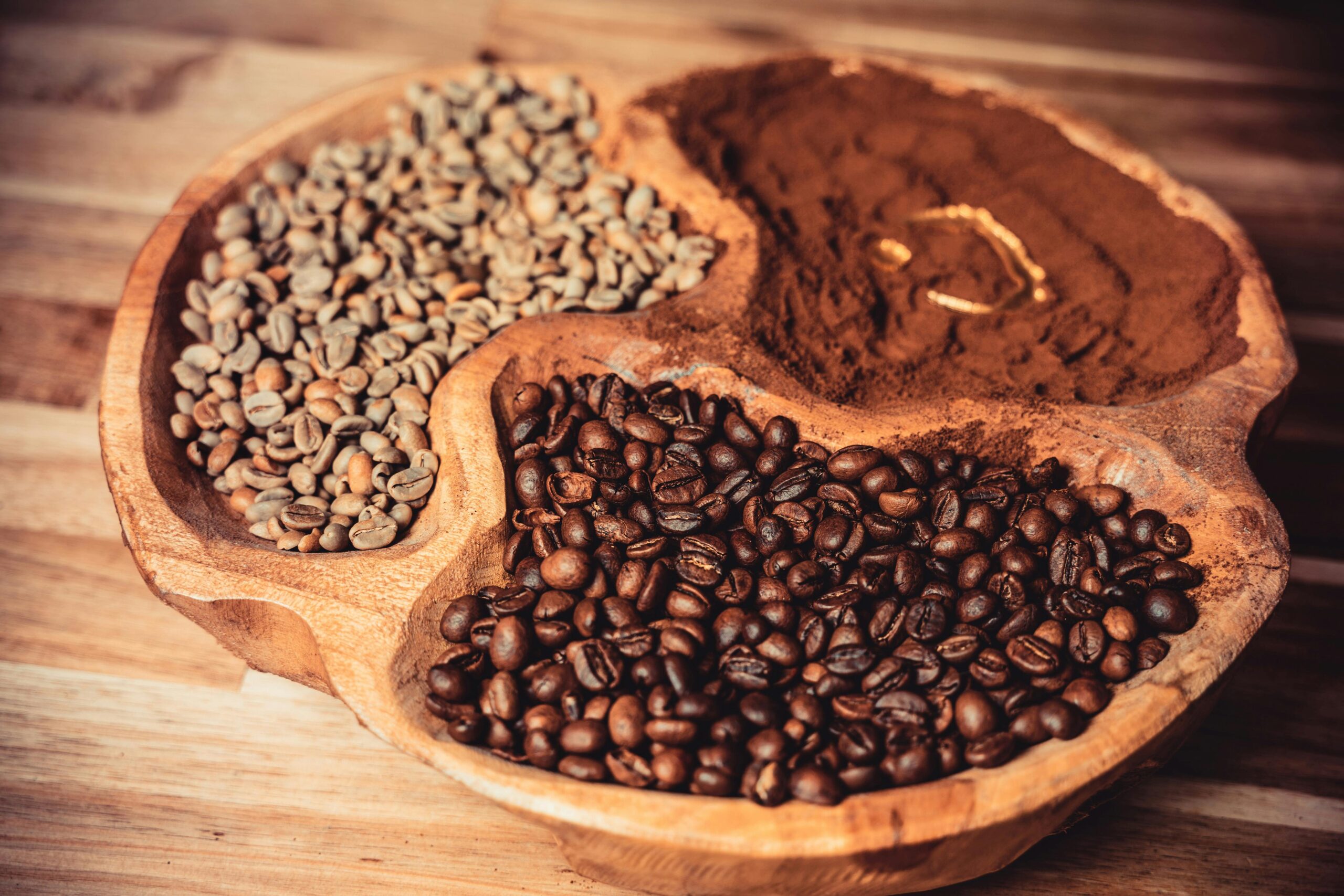
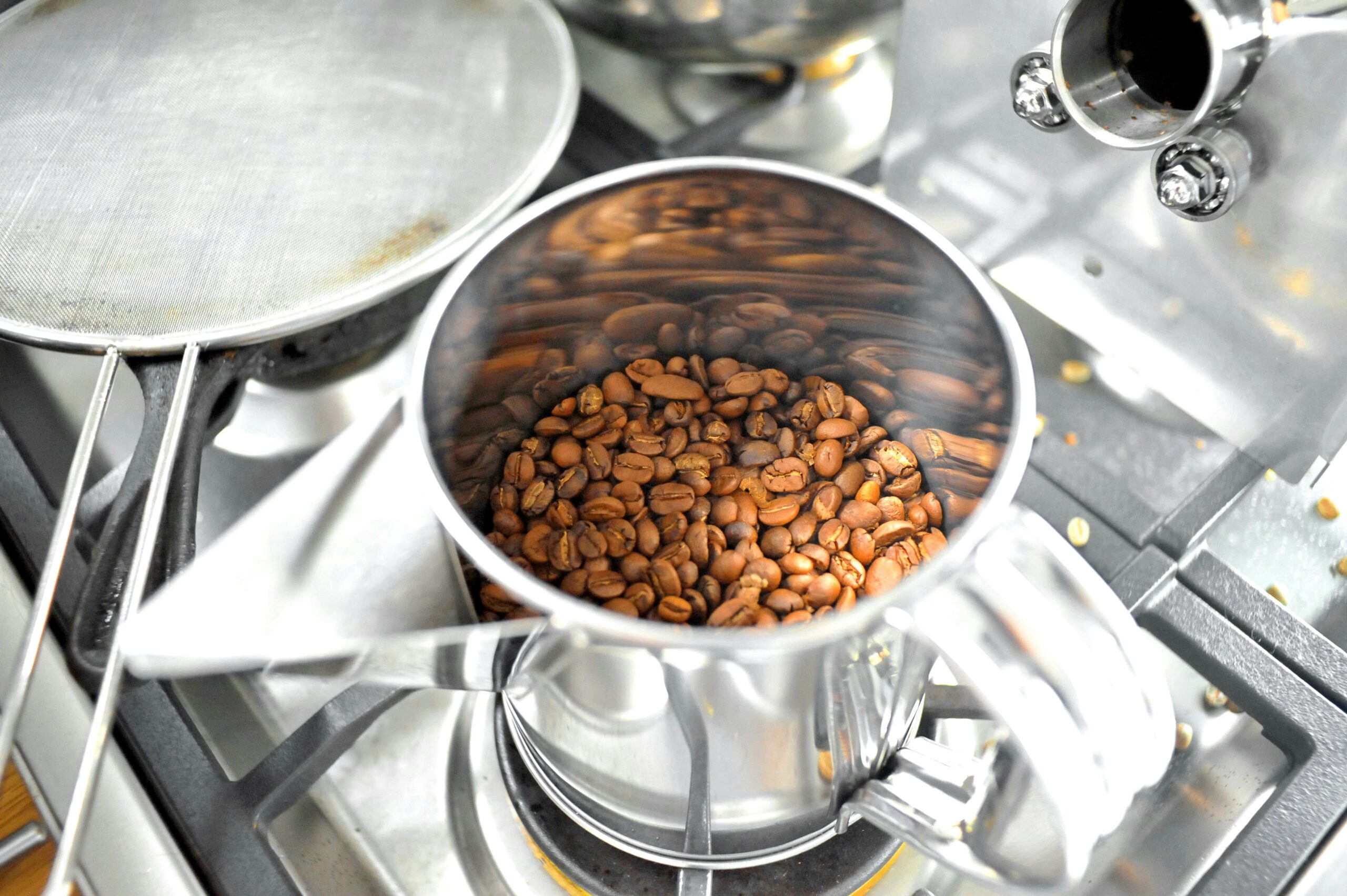
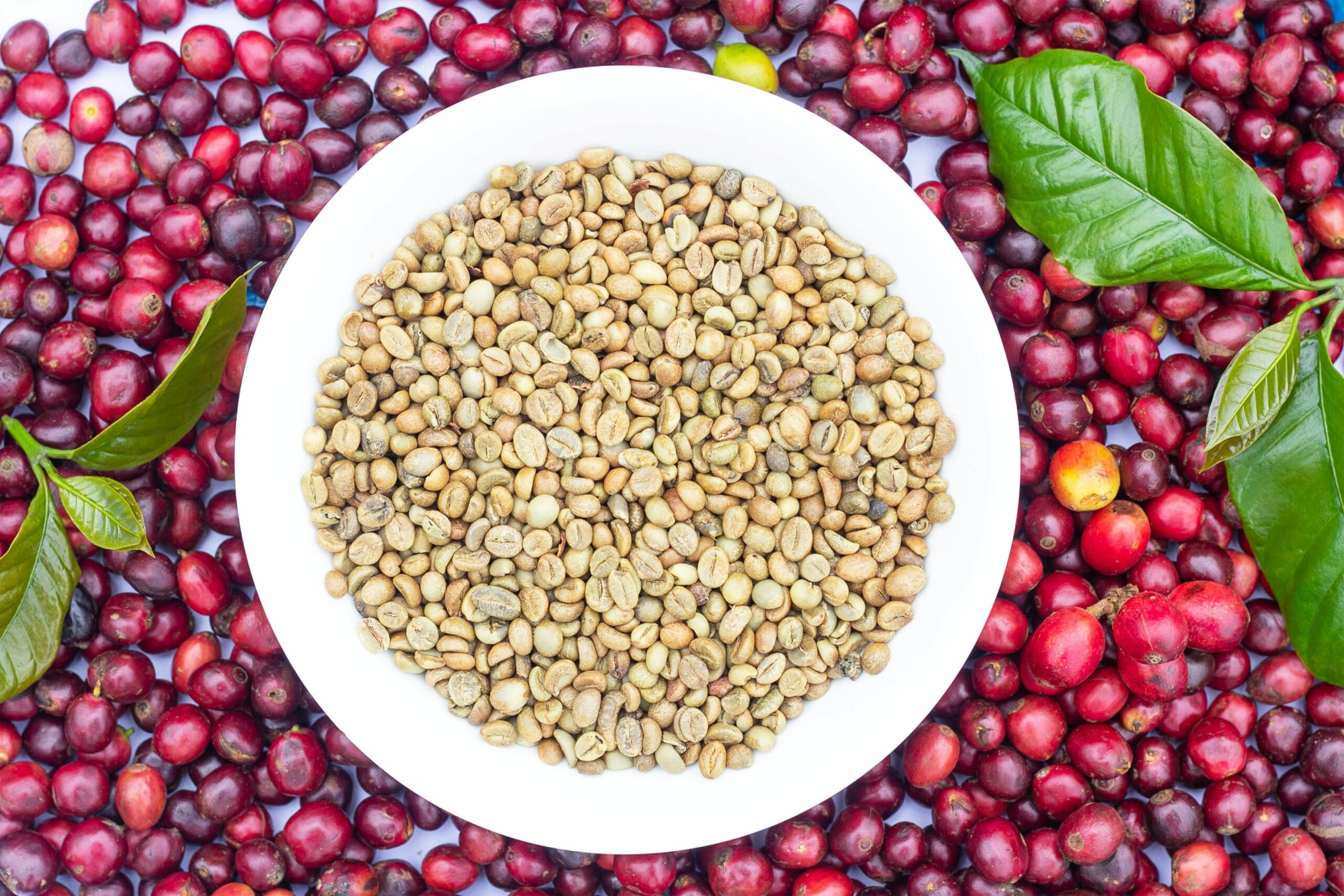
Before we dive into roast levels, it helps to understand what’s happening inside that little green bean. Raw, unroasted coffee beans are dense, grassy-smelling seeds that bear almost no resemblance to the coffee you know and love. It’s the roasting process, applying heat over time, that transforms them into the aromatic, flavorful beans we grind and brew.
During roasting, heat causes hundreds of chemical reactions inside the bean. Natural sugars caramelize, oils develop, and carbon dioxide is released. The longer and hotter the roast, the more these original characteristics of the bean, its origin, soil, altitude, and variety, are replaced by the roast itself. This is the fundamental trade-off at the heart of every roast level decision. If you’re curious about experiencing this transformation firsthand, enrolling in a coffee roasting class is one of the most rewarding ways to deepen your understanding of the craft.
Light Roast: Bright, Complex, and Full of Origin Character
Light roasts are roasted to a lower internal temperature, usually stopping before or at the first “crack”, an audible popping sound that signals a key stage in the roasting process. The result is a bean that retains much of its original character.
In terms of flavor, light roasts tend to be bright, fruity, and complex. You might taste notes of citrus, berries, floral tones, or even tea-like delicacy, depending on where the beans were grown. Ethiopian coffees roasted light, for example, are famous for their jasmine and stone fruit notes. Kenyan light roasts often carry a vivid, wine-like acidity.
One common myth worth busting: light roast does not mean less caffeine. In fact, lighter roasts tend to retain slightly more caffeine by weight because prolonged heat degrades caffeine over time. So if you’re chasing a strong buzz, going light is actually a solid move.
Light roasts are ideal for pour-over, drip, and AeroPress brewing methods that allow their nuanced flavors to shine. If you appreciate complexity and enjoy tasting the terroir of your coffee, where it came from and how it was grown, a light roast is your playground.
Medium Roast: The Sweet Spot for Most Coffee Drinkers
Medium roast is where the majority of coffee drinkers feel most at home, and for good reason. Roasted a bit further than light, past the first crack but before the oils start visibly surfacing on the bean, medium roast strikes a balance between origin character and roast-derived sweetness.
Expect flavors like caramel, milk chocolate, toasted nuts, and gentle fruit. The acidity mellows out compared to a light roast, and the body becomes fuller and rounder. A well-sourced medium roast is incredibly satisfying without being aggressive. If you’re interested in exploring home roasting with approachable, beginner-friendly beans, Mexican green coffee beans are an excellent starting point. They’re known for their smooth, mild body and pleasant chocolatey sweetness that responds beautifully to a medium roast profile.
Medium roasts are incredibly versatile. They work well in drip coffee makers, French press, espresso, and cold brew. If you’re new to specialty coffee and aren’t sure where to start, a quality medium roast is almost always a safe and rewarding first choice.
Dark Roast: Bold, Smoky, and Unapologetically Rich
Dark roasts are taken well into the second crack, to the point where the beans turn deep brown or even nearly black, and oils appear on the surface. At this stage, the roast flavor dominates, and the original characteristics of the bean have largely given way to bold, smoky, bittersweet notes.
Dark roast lovers tend to describe their coffee as robust, full-bodied, and intense. Think bitter chocolate, smoke, molasses, and earthy tones. The acidity is very low, and the finish is long and lingering. This is the profile that feels right at home in a strong espresso, a rich café au lait, or a classic diner-style cup. For those who love experimenting with dark roasts at home, Indian green coffee beans are a fantastic choice, particularly Monsooned Malabar varieties, which are prized for their low acidity, heavy body, and earthy, spicy depth that shines when taken to a darker roast.
One thing to keep in mind: because dark roasting drives off more moisture and degrades the bean further, you’ll want to use fresh, high-quality beans to get the most out of a dark roast. Stale dark roast beans can tip from “bold and rich” into “flat and ashy” pretty quickly.
Matching Your Roast to Your Brewing Method
Your brewing method plays a real role in which roast will taste best to you. Espresso machines tend to do beautifully with medium-dark to dark roasts because the pressure extraction can highlight sweetness and body. Pour-over and drip methods are fantastic showcases for light to medium roasts, pulling out delicate flavor notes that pressure brewing might mask. Cold brew, with its long steep time, works well with medium or dark roasts, producing a naturally sweet, low-acid concentrate.
Finding Your Lucky Bean
Ultimately, the “right” roast is whichever one makes you look forward to your first sip every morning. The best way to find it is to experiment, try a light roast from Ethiopia, a medium roast from Mexico, and a dark roast from India, then pay attention to what each one makes you feel. Take note of the flavors you gravitate toward, the body you prefer, and how each one performs in your favorite brewing setup.
If you really want to take your appreciation to the next level, consider learning to roast your own beans. A hands-on coffee roasting class can completely change the way you see and taste every cup you make.
Coffee is one of those rare pleasures where curiosity is always rewarded. The more you explore, the luckier your beans get.