If you’ve ever stood in the coffee aisle staring at a wall of bags, you’ve probably wrestled with this question: whole bean or pre-ground? It seems like a simple decision, but the choice you make has a surprisingly significant impact on the flavor, aroma, and freshness of your daily cup. Whether you’re a casual coffee drinker or a budding enthusiast, understanding the difference between these two options can genuinely transform your morning ritual.
Let’s break it all down so you can make a confident, informed decision.
What Happens When Coffee Is Ground?
To understand why this debate matters, you first need to know what happens the moment a roasted coffee bean is ground. As soon as a bean is broken open, it begins to release carbon dioxide and, more critically, its aromatic compounds start oxidizing. This process is the enemy of great flavor.
Those volatile oils and aromatic compounds are what give coffee its complexity, whether that’s a bright, citrusy Ethiopian or a deep, chocolatey Colombian. Once ground, coffee has a dramatically increased surface area exposed to air, moisture, and light. The result? Stale-tasting coffee, often within 15 to 30 minutes of grinding if left exposed, or within a week or two, even in a sealed container.
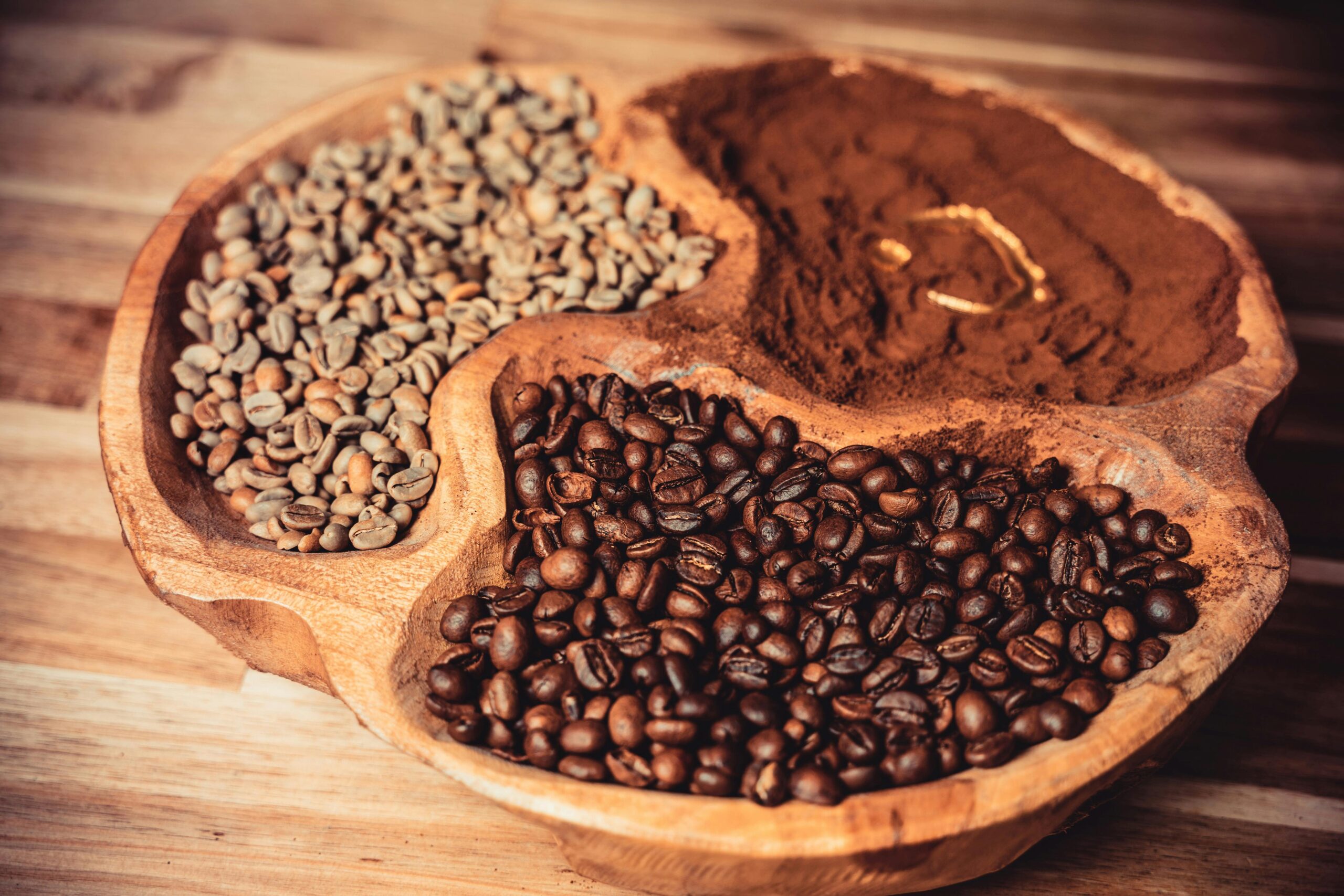
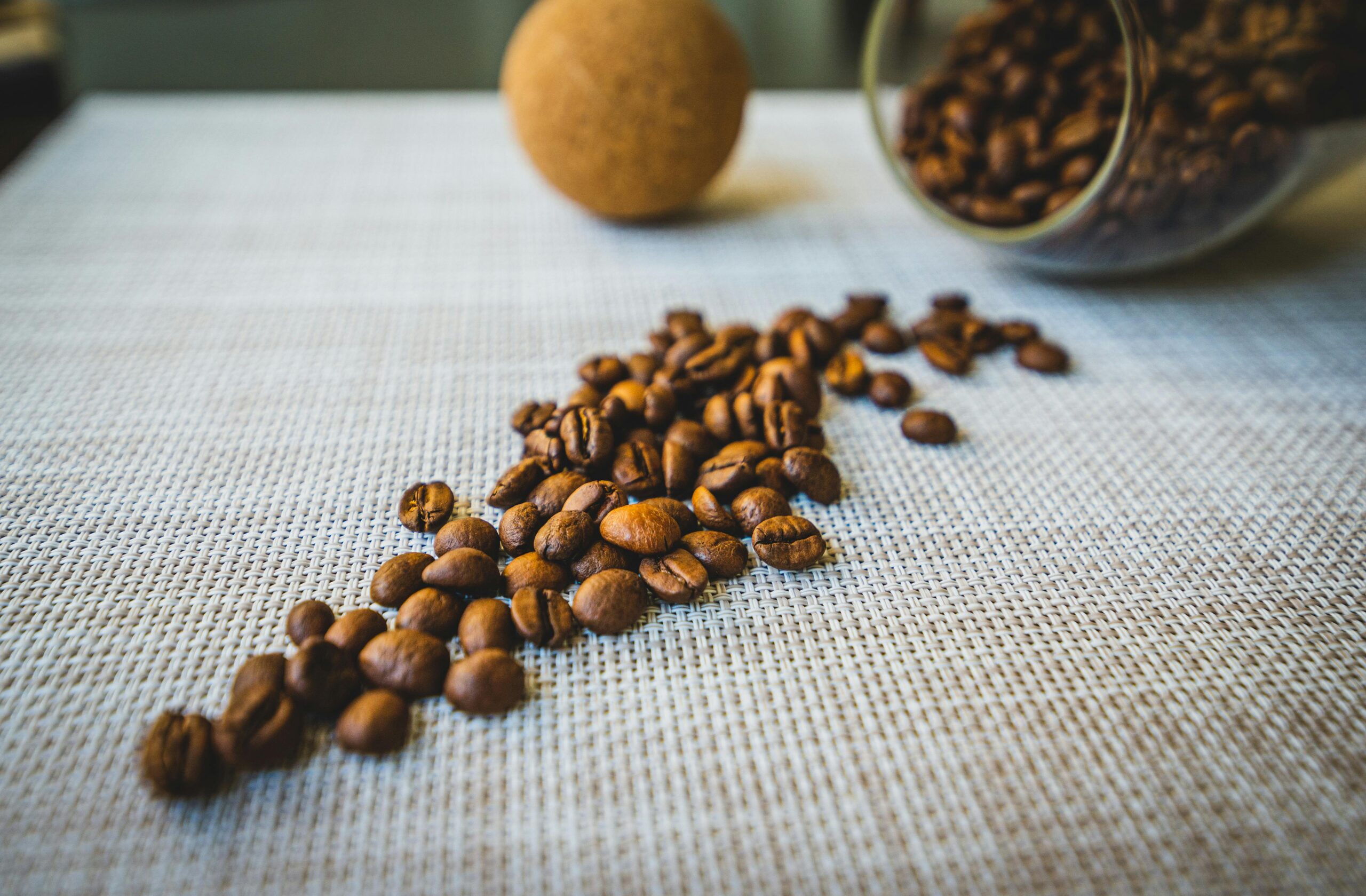
Whole beans, by contrast, protect those oils and aromatic compounds inside a natural shell. A properly stored whole bean coffee can stay fresh for several weeks to a couple of months after roasting, giving you a much wider window to enjoy it at its best.
The Case for Whole Bean Coffee
Freshness is the number one argument for buying whole bean coffee. When you grind your beans just before brewing, even a few minutes before, you preserve the maximum amount of flavor and aroma. The difference is not subtle. A cup brewed from freshly ground beans is noticeably more vibrant, complex, and satisfying than one brewed from coffee that was ground days or weeks ago.
Whole beans also give you control. Different brewing methods require different grind sizes: a coarse grind for French press, a medium grind for drip, a fine grind for espresso, and an ultra-fine grind for Turkish coffee. When you buy whole beans and grind them yourself, you can dial in the exact consistency for your preferred method.
There’s also a deeper connection to the craft. Many coffee lovers find that grinding their own beans adds a mindful, ritualistic quality to their morning. The sound of the grinder, the fresh aroma that fills the kitchen, becomes part of the experience, not just the outcome.
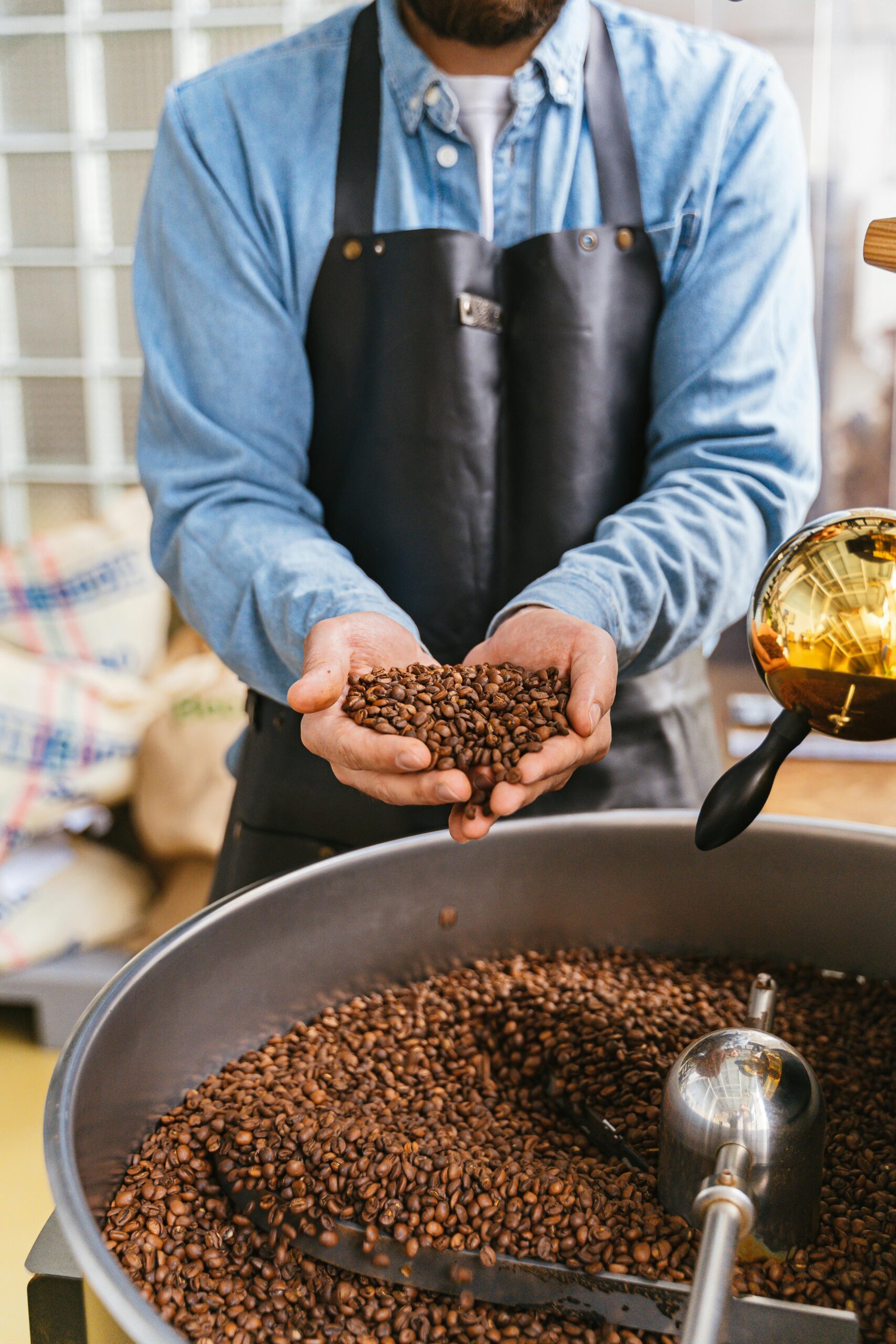
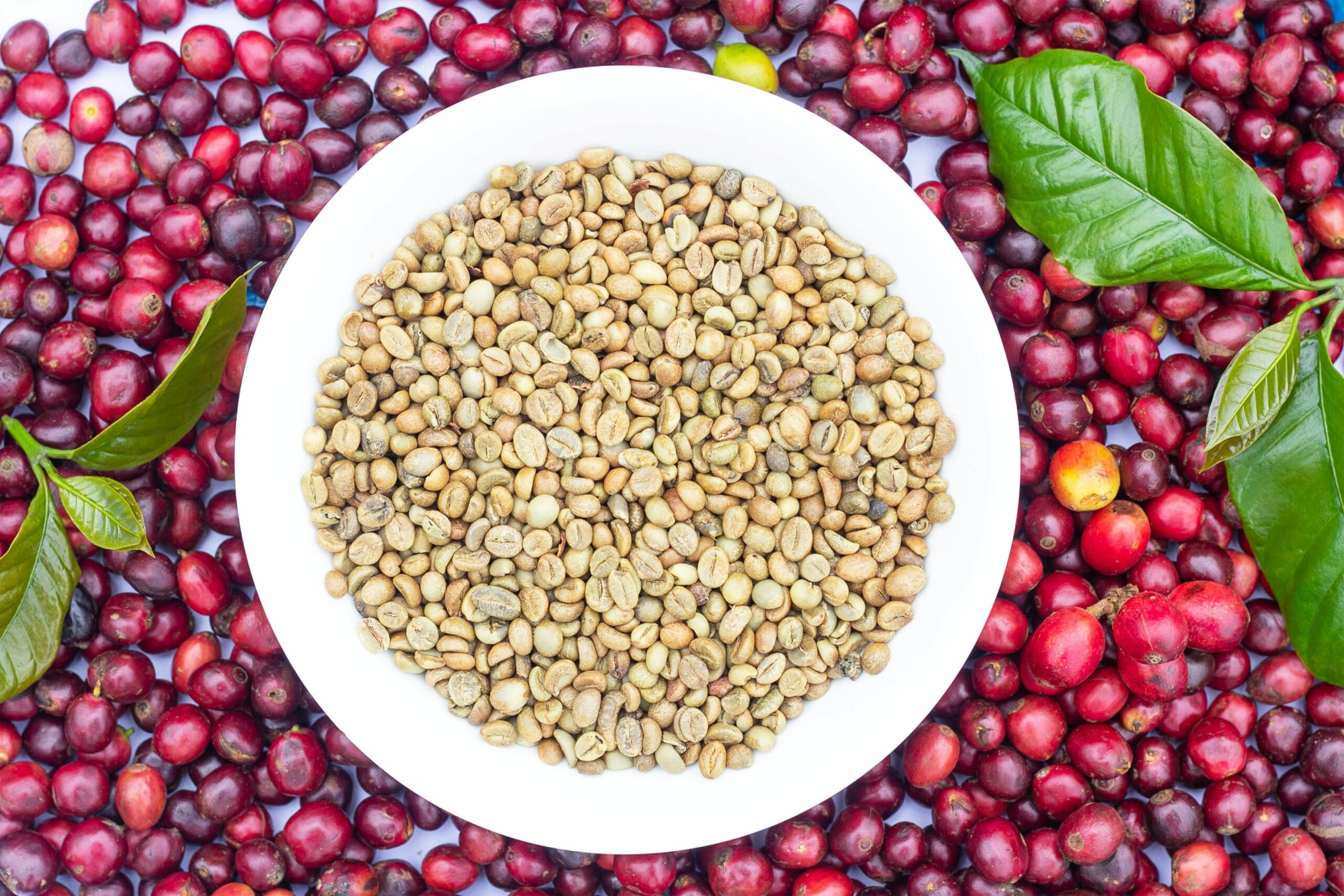
For those who want to take freshness to the next level, home roasting is the ultimate answer. Roasting your own green beans means your coffee goes from raw bean to your cup within days, something no pre-packaged product, whole bean or ground, can match. If you’re curious about getting started, coffee roasting classes are a fantastic way to learn the fundamentals, from understanding roast profiles to selecting the right green beans for your taste.
The Case for Pre-Ground Coffee
Pre-ground coffee is not without its merits. Convenience is king, and for many people, the practicality of scooping pre-ground coffee directly into the machine is a genuine lifestyle need, not a compromise.
Pre-ground is ideal for those who don’t own a grinder, don’t want to invest in one, or simply need to streamline their mornings. It’s also a smart choice for offices, travel, or any situation where brewing conditions are less than precise.
If you do go with pre-ground, there are ways to minimize the freshness trade-off. Look for bags with a roast date rather than just a “best by” date, buy in smaller quantities so you’re not holding onto it for weeks, and store it in an airtight container away from heat and light. Avoid keeping it in the refrigerator if you’re opening the bag regularly; moisture and temperature changes do more damage than good.
Pre-ground coffee also works perfectly well for recipes that don’t demand grind precision, like cold brew concentrates or coffee-infused baked goods, where small inconsistencies in particle size have little impact on the end result.
The Grinder Question
If you’re ready to make the switch to whole beans, you’ll need a grinder. There are two main types to know about: blade grinders and burr grinders.
Blade grinders are inexpensive and widely available, but they produce an inconsistent chop, a mix of fine powder and coarse chunks, which leads to uneven extraction and coffee that tastes bitter or flat. They’ll get the job done in a pinch, but they have real limitations.
Burr grinders, whether manual or electric, crush beans between two abrasive surfaces to produce a uniform, consistent grind. That consistency is crucial for balanced extraction and clean flavor. A quality burr grinder is one of the best investments a home coffee drinker can make, and the improvement in cup quality is immediately noticeable.
If you’re unsure where to start with equipment, specialty retailers and New Orleans coffee roasters can be invaluable resources; they carry a range of home roasting and grinding equipment and can help you find the right tools for your setup and budget.
Train Your Palate to Taste the Difference
One of the most rewarding parts of diving deeper into coffee is learning how to actually taste what’s in your cup. Most of us drink coffee without ever slowing down to identify the flavors, aromas, and textures that distinguish one origin or roast from another.
Coffee cupping classes are the perfect way to develop that skill. Cupping is the standardized method used by professional roasters and green coffee buyers to evaluate quality, and participating in a guided session will train your palate to pick up on the nuances that make specialty coffee so compelling.
Once you’ve cupped a few coffees side by side, a natural-processed Yirgacheffe next to a washed Guatemalan, for example, the difference between fresh and stale coffee becomes unmistakably clear.
So, Which Should You Buy?
The honest answer: whole bean coffee, almost always. The flavor and aroma advantages are real and meaningful, and all it takes is a basic burr grinder to unlock them. It’s a small investment that pays off in every single cup.
That said, pre-ground coffee absolutely has its place. If convenience is a genuine priority, or you’re buying for a context where grinding simply isn’t practical, a quality pre-ground coffee stored properly is still an enjoyable, accessible option.
The most important factor, regardless of whole bean or pre-ground, is buying coffee that was recently roasted from a source that’s transparent about their process and sourcing. Fresh roast dates, quality green beans, and careful handling matter far more than the bag design or marketing language. Make freshness your non-negotiable, and the rest will follow.