If you have ever wondered why some coffees taste bright and fruity while others feel rich and chocolatey, the answer lies in a practice called cupping. It is the method coffee professionals around the world use to evaluate beans, compare origins, and develop their palates. The good news is that cupping is not reserved for industry insiders. With a little knowledge and the right setup, anyone can learn to taste coffee like a pro.
Whether you are brand new to specialty coffee or a seasoned home roaster looking to sharpen your sensory skills, this guide will walk you through everything you need to know to get started.
What Is Coffee Cupping?
Cupping is a standardized method of brewing and tasting coffee that strips away the variables introduced by different brewing devices. By preparing every coffee in the same way, tasters can focus entirely on the intrinsic qualities of the bean itself: its aroma, acidity, body, flavor, and finish.
The practice is used at every stage of the coffee supply chain. Farmers cup to assess their harvest. Importers cup to evaluate lots before purchase. Roasters cup to calibrate their roast profiles. And enthusiasts cup to simply deepen their appreciation for what is in their cup.
The process follows a specific set of protocols outlined by the Specialty Coffee Association (SCA), which allows for fair and consistent comparisons across different coffees.
What You Will Need
Getting started with cupping at home does not require fancy equipment.
Here is a basic setup:
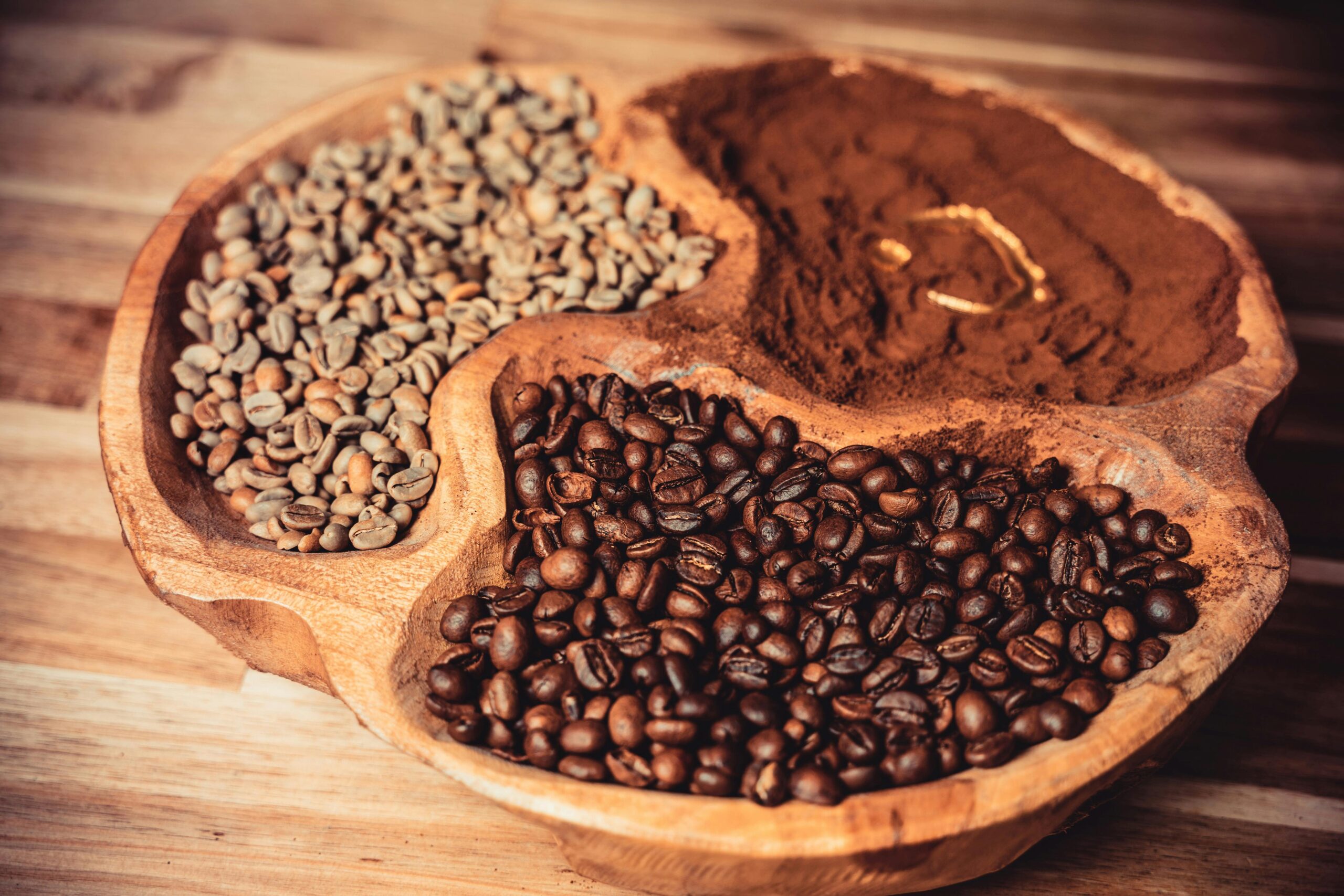
- Green or freshly roasted coffee(ideally two to five different coffees to compare)
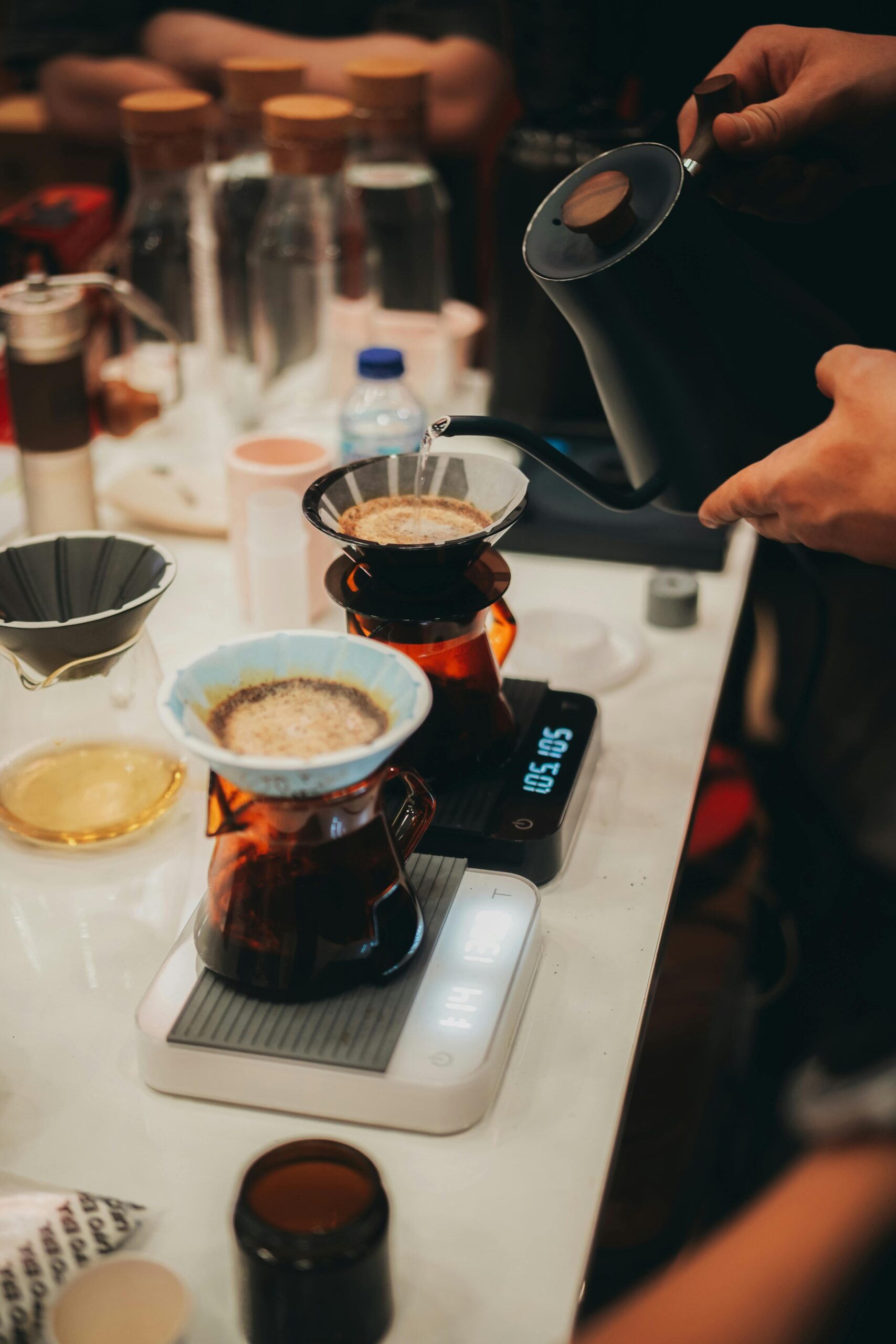
- A kitchen scale to weigh your coffee and water precisely
- A burr grinder set to a medium-coarse grind
- Cupping bowls or wide-mouthed mugs(at least 5 to 6 ounces)
- A kettle capable of heating water to around 200 degrees Fahrenheit
- Cupping spoons(deep-bowled spoons work best for slurping)
- A timer
- A notepad to record your observations
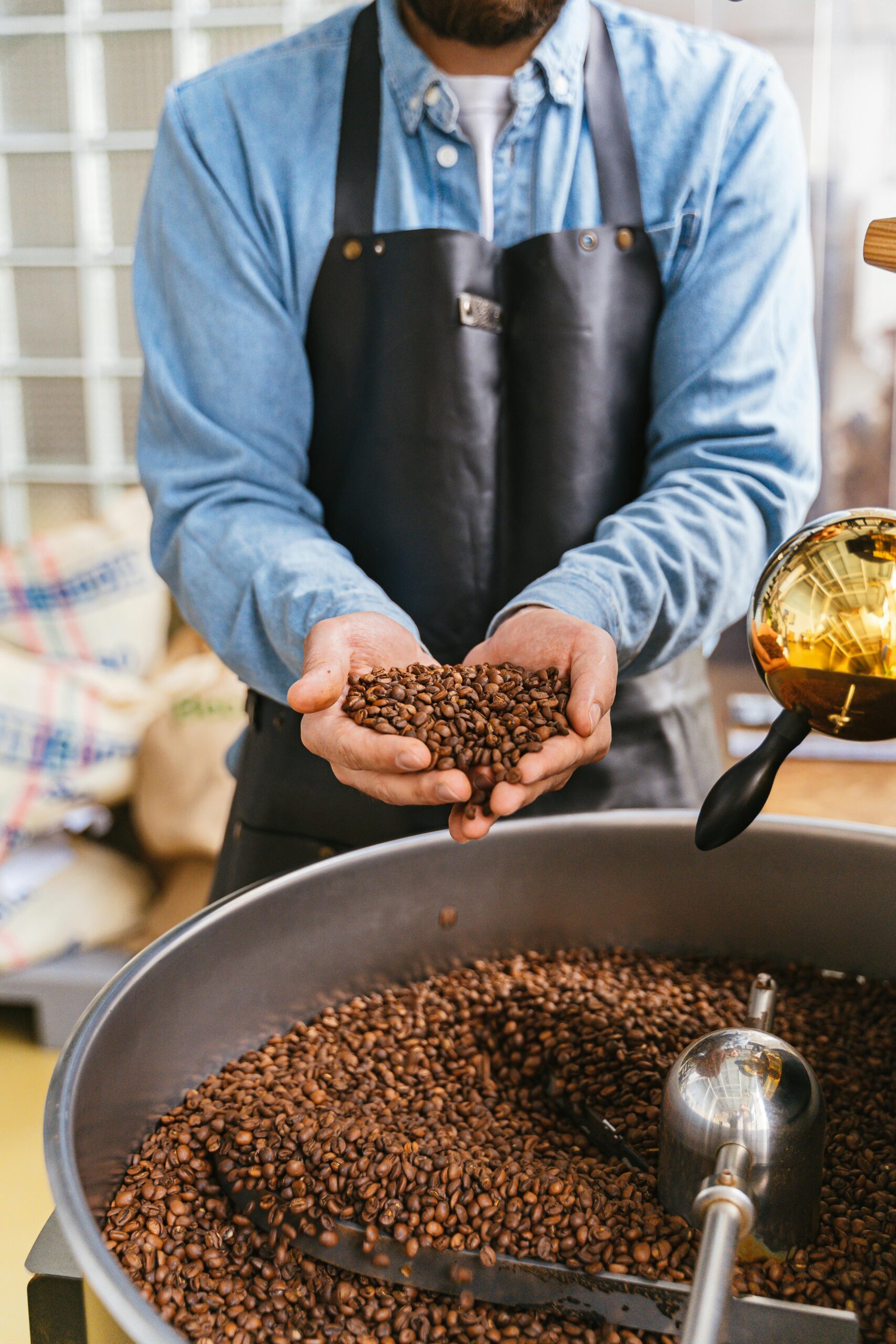
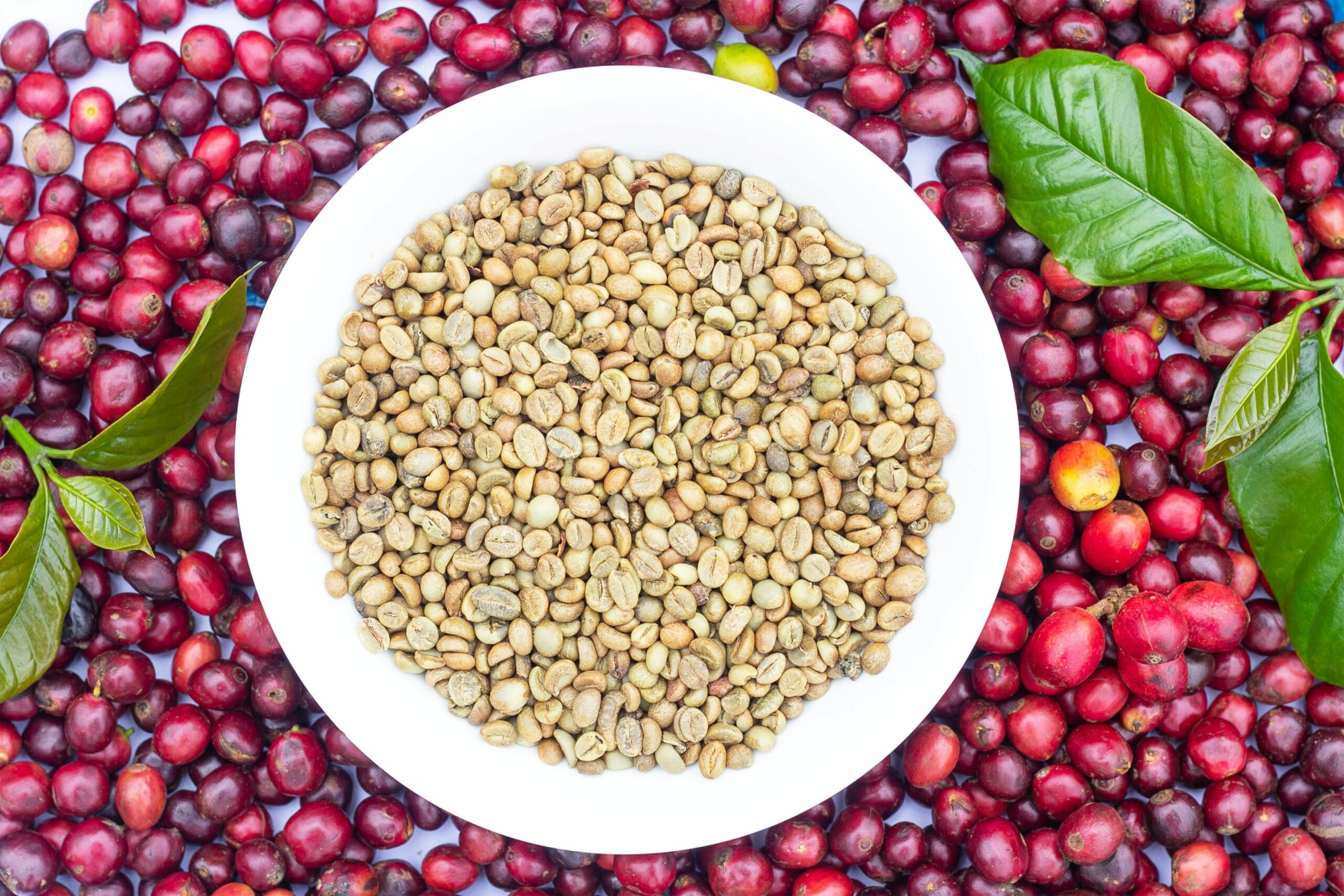
One of the best ways to explore different flavor profiles is to start with diverse origins. You can buy green coffee beans from a variety of regions and roast small batches yourself to bring maximum freshness to your cupping table.
The Standard Cupping Process, Step by Step
Step 1 – Weigh and Grind Your Coffee
The standard ratio used in professional cuppings is approximately 8.25 grams of coffee per 5.07 fluid ounces (150 ml) of water. Grind each coffee just before brewing to preserve volatile aromatics. Use a medium-coarse setting, similar to what you might use for a French press.
Step 2 – Smell the Dry Grounds (Dry Fragrance)
Before adding water, take a moment to smell the freshly ground coffee in each bowl. This is called the dry fragrance assessment. Breathe in slowly through your nose and take note of what you detect. You might notice floral, nutty, earthy, fruity, or spiced aromas. Write down your initial impressions.
Step 3 – Add Hot Water and Wait
Pour water at around 200 degrees Fahrenheit directly over the grounds, making sure to saturate them evenly. Start your timer. Allow the coffee to steep for exactly four minutes. During this time, a crust of coffee grounds will form on the surface.
Step 4 – Smell the Wet Aroma (Wet Fragrance)
After four minutes, gently break the crust on each bowl by using your cupping spoon to push through it three times. Lean in immediately as you break the crust and inhale deeply. The aromas released at this moment are often the most expressive and complex. The wet fragrance can differ dramatically from the dry fragrance, so pay close attention.
Step 5 – Skim and Wait
Use two spoons to skim the remaining foam and floating grounds off the surface of each bowl. Allow the coffee to cool for an additional eight to ten minutes. You do not want to taste it while it is scalding, as heat can mask many of the more delicate flavor notes.
Step 6 – Taste (Slurp!)
Here comes the fun part. Using your cupping spoon, scoop a small amount of coffee and slurp it aggressively. Yes, aggressively. The goal is to aerosolize the coffee across your entire palate and the back of your throat, where your taste buds and olfactory receptors can process the full flavor experience. Loud slurping is not only accepted in a cupping setting, but it is also encouraged.
As you taste, focus on these key attributes:
Acidity: Does the coffee have a bright, vibrant quality, or is it flat and dull?
Body: How does the coffee feel in your mouth? Light and tea-like, or heavy and syrupy?
Flavor: What specific tastes do you detect? Berries, citrus, dark chocolate, brown sugar, herbs?
Finish: Does the flavor linger pleasantly after you swallow, or does it drop off quickly?
Balance: Do all of the above elements work harmoniously together?
Step 7 – Taste as It Cools
This is where cupping gets really interesting. The flavor profile of a coffee will shift noticeably as it cools from hot to warm to room temperature. Coffees that taste unremarkable when hot sometimes reveal stunning complexity as they cool. Revisit each bowl several times over the course of 15 to 20 minutes and keep updating your notes.
Developing Your Palate Over Time
Like any skill, tasting coffee improves with practice and repetition. In the beginning, you might struggle to articulate what you taste beyond “good” or “bitter.” That is completely normal. Over time, and especially through guided group cuppings, your vocabulary and perception will expand considerably.
Using a reference tool like the SCA Coffee Taster’s Flavor Wheel can help bridge the gap between what you are sensing and the words to describe it. The wheel organizes flavor descriptors from broad categories down to highly specific notes, giving you a structured language for your experiences.
Attending a structured coffee cupping class near me is one of the fastest ways to accelerate your tasting education. Cupping alongside an experienced instructor means you receive real-time feedback, taste coffees you might not have selected on your own, and benefit from the collective observations of everyone at the table.
Why Cupping Makes You a Better Coffee Lover
Whether you roast your own beans at home, brew pour-overs for the household, or simply care about what is in your morning cup, cupping gives you a direct connection to the qualities that make each coffee unique. It teaches you to slow down, pay attention, and truly experience what you are drinking.
The specialty coffee community, from growers and importers to roasters and retailers, uses cupping to uphold quality standards and celebrate the diversity of coffee as an agricultural product. By learning to cup, you are joining that conversation.
New Orleans coffee culture is alive and thriving, and whether you are a local or just visiting, there has never been a better time to explore what makes a great cup truly great. Grab a few coffees from different origins, set up your cupping table, and start tasting.