Walking down the coffee aisle or browsing your local roaster’s selection can feel overwhelming when faced with an array of terms like “single-origin,” “blend,” “microlot,” and “estate.” These descriptors aren’t just marketing buzzwords—they’re crucial indicators that help you understand what’s in your cup and guide you toward coffees that match your taste preferences.
Understanding Single-Origin Coffee
Single-origin coffee comes from one specific location, whether that’s a particular farm, region, or country. This term has gained significant popularity among coffee enthusiasts because it allows you to taste the unique characteristics that come from specific growing conditions, processing methods, and local expertise.
What Makes Single-Origin Special
When coffee beans grow in a specific terroir—the combination of soil, climate, altitude, and farming practices—they develop distinct flavor profiles that reflect their origin. A single-origin Ethiopian coffee might showcase bright, floral notes with wine-like acidity, while a Guatemalan single-origin could offer chocolate undertones with a full body.
Single-origin coffees provide transparency and traceability. You know exactly where your coffee comes from, often down to the specific farm or cooperative. This transparency supports direct trade relationships and allows farmers to receive better compensation for high-quality beans.
Types of Single-Origin Designations
Country Level: The broadest single-origin designation, indicating the coffee comes from one country but potentially multiple regions within that country.
Regional: More specific than country-level, indicating beans from a particular growing region like Jamaica Blue Mountain or Kona.
Estate or Farm: The most specific designation, indicating all beans come from a single farm or estate, allowing for maximum flavor consistency and traceability.
Microlot: A very small batch of coffee, often from a specific section of a farm or a particular day’s harvest, representing the pinnacle of specialty coffee exclusivity.
The Art and Science of Coffee Blends
Coffee blends combine beans from multiple origins to create a specific flavor profile that’s consistent year-round. Master roasters carefully select and proportion different coffees to achieve balance, complexity, and reliability that single-origins alone might not provide.
Why Roasters Create Blends
Blending allows roasters to highlight the best characteristics of different coffees while minimizing any less desirable traits. For example, a roaster might combine a bright, acidic Central American coffee with a full-bodied Indonesian coffee to create a balanced cup with both brightness and richness.
Blends also provide consistency. While single-origin coffees can vary seasonally based on harvest conditions, blends can be adjusted to maintain the same flavor profile throughout the year by substituting similar coffees when necessary.
Common Blend Categories
Espresso Blends: Specifically formulated to work well with espresso brewing methods, often featuring beans that create rich crema and balanced extraction.
Breakfast Blends: Typically lighter, more approachable coffees designed for everyday drinking, often combining Central and South American beans.
House Blends: A roaster’s signature combination, representing their preferred flavor profile and roasting philosophy.
Decoding Other Important Coffee Terms
Processing Methods
Washed (Wet Process): Coffee cherries are pulped and fermented before drying, typically resulting in cleaner, brighter flavors.
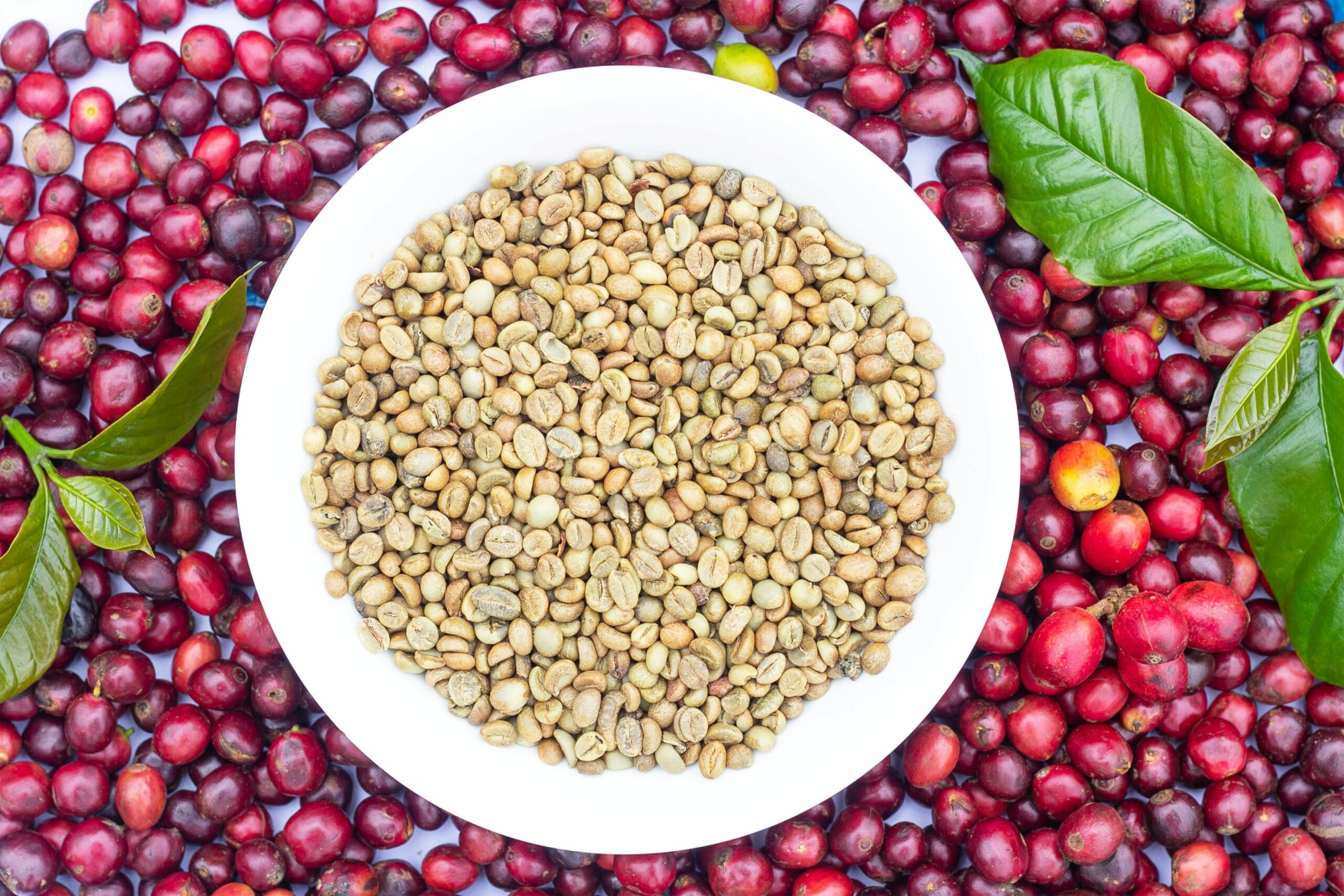
Natural (Dry Process): Whole cherries are dried before removing the fruit, often creating fruitier, sweeter flavors with more body.
Honey Process: A hybrid method where some fruit remains on the bean during drying, creating characteristics between washed and natural processes.
Grade and Quality Indicators
Specialty Grade: Coffee scoring 80 points or above on the Specialty Coffee Association’s 100-point scale, indicating exceptional quality.
AA, AAA, Peaberry: Size and shape classifications that can indicate quality, though these systems vary by country.
Fair Trade, Organic, Rainforest Alliance: Certifications indicating specific farming and trade practices that support sustainability and farmer welfare.
Altitude and Growing Conditions
High Grown (HG) or Strictly High Grown (SHG): Indicates coffee grown at higher altitudes, typically above 4,000 feet, where cooler temperatures slow bean development and concentrate flavors.
Shade Grown: Coffee cultivated under forest canopy, promoting biodiversity and often resulting in more complex flavors.
Reading Between the Lines: Additional Label Information
Beyond the basic origin and blend designations, coffee labels often contain additional information that can guide your selection. Roast dates indicate freshness—specialty coffee is best consumed within 2-4 weeks of roasting. Tasting notes provide the roaster’s professional assessment of flavor characteristics, though remember these are subjective interpretations that may vary based on your brewing method and personal palate.
Elevation information tells a story about the coffee’s potential complexity. Beans grown at higher altitudes typically develop more slowly, concentrating sugars and acids that translate to more nuanced flavors. Look for specific elevation ranges rather than vague “mountain grown” claims.
The Economics Behind Coffee Labels
Understanding these terms also helps you make more ethical purchasing decisions. Single-origin coffees often support direct trade relationships, where roasters work directly with farmers or cooperatives, potentially ensuring better compensation and sustainable farming practices. However, this doesn’t mean blends are inherently less ethical—many roasters carefully source all their coffees with the same commitment to quality and fairness.
Price differences between single-origins and blends often reflect rarity, processing complexity, and the relationships required to source exceptional lots. Microlots command premium prices because of their limited availability and unique characteristics, while well-crafted blends offer excellent value by combining complementary coffees at various price points.
Making Informed Coffee Choices
Understanding these terms empowers you to make better coffee purchasing decisions. If you enjoy exploring different flavor profiles and don’t mind seasonal variations, single-origins offer an exciting journey through global coffee terroir. If you prefer consistency and balanced flavor, well-crafted blends might be your ideal choice.
Consider your brewing method when selecting coffee. Single-origins often shine in pour-over methods that highlight their unique characteristics, while blends frequently excel in espresso applications where balance is crucial. Cold brew preparations can showcase either type effectively, though blends often provide the consistency many cold brew enthusiasts prefer.
Don’t be afraid to ask questions at your local coffee shop or roastery. Knowledgeable staff can help you navigate these terms and recommend coffees based on your taste preferences and brewing setup. Many specialty roasters offer cupping sessions or tasting flights that allow you to compare different origins and processing methods side by side. Some establishments even provide hands-on educational classes where you can learn to roast your own beans and develop your palate through guided tastings.
The world of specialty coffee offers incredible diversity, and understanding these label terms is your key to unlocking flavors from around the globe. Whether you’re interested in exploring specific origins or investing in quality roasting equipment to craft your perfect blend at home, understanding these label terms is your foundation for coffee success.
Remember that personal taste is paramount. These terms provide helpful guidance, but the best coffee is ultimately the one you enjoy most. Use this knowledge as a starting point for your coffee exploration, and let your palate guide you toward your perfect cup.