New Orleans has always been a city that understands the art of taking your time. From the slow simmer of a perfect gumbo to the lingering notes of a jazz trumpet on a humid evening, we know that the best things can’t be rushed. That same philosophy extends to our coffee culture, where small-batch roasting has become more than just a trend—it’s a return to craftsmanship, community, and the pursuit of that perfect cup.
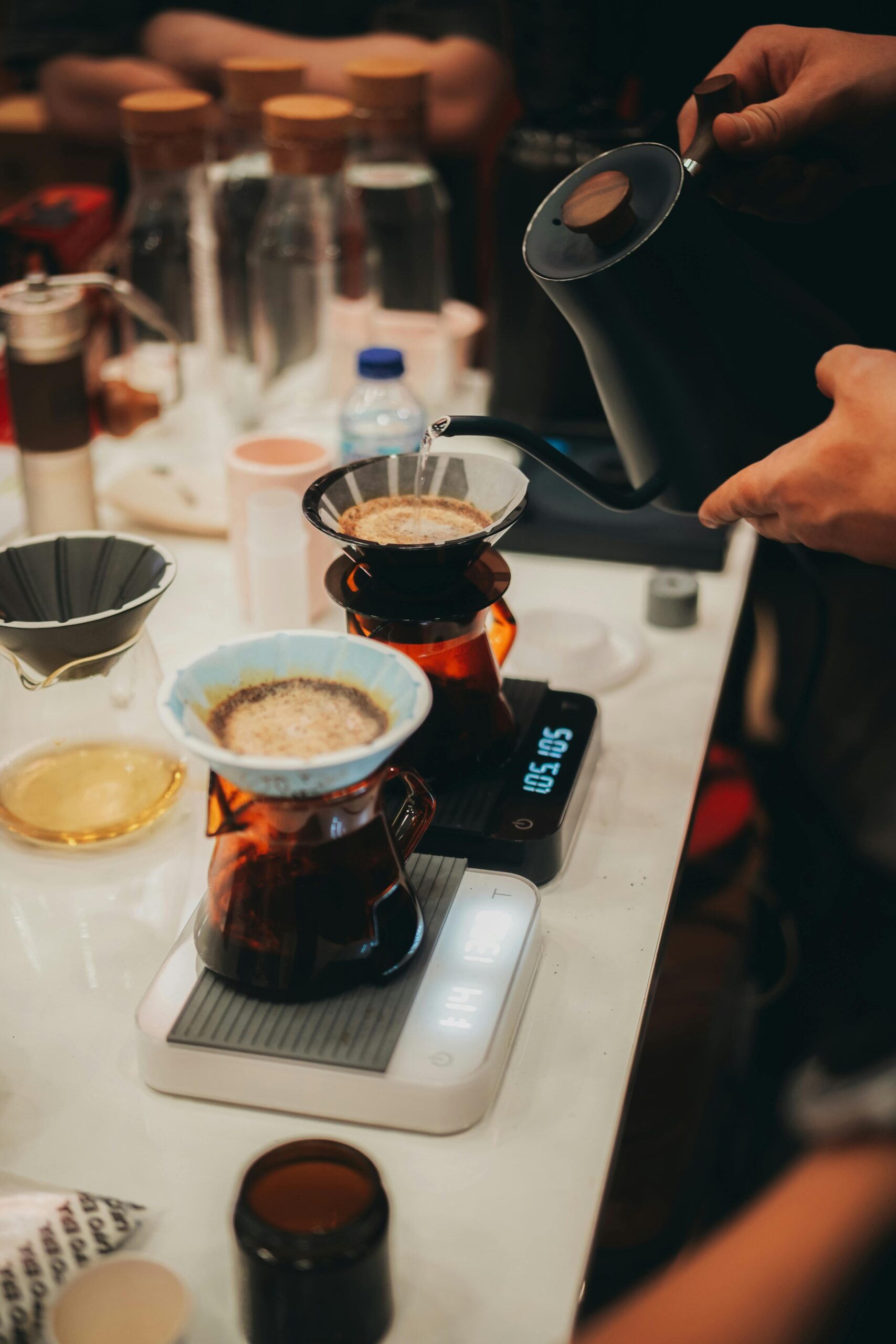
The French Quarter’s historic cafés have served coffee for centuries, but today’s New Orleans coffee scene is experiencing a renaissance. Small-batch roasters are bringing unique approaches to this ancient craft, transforming how we think about coffee—from sourcing and roasting to that final, perfect brew.
The Small-Batch Movement Takes Root
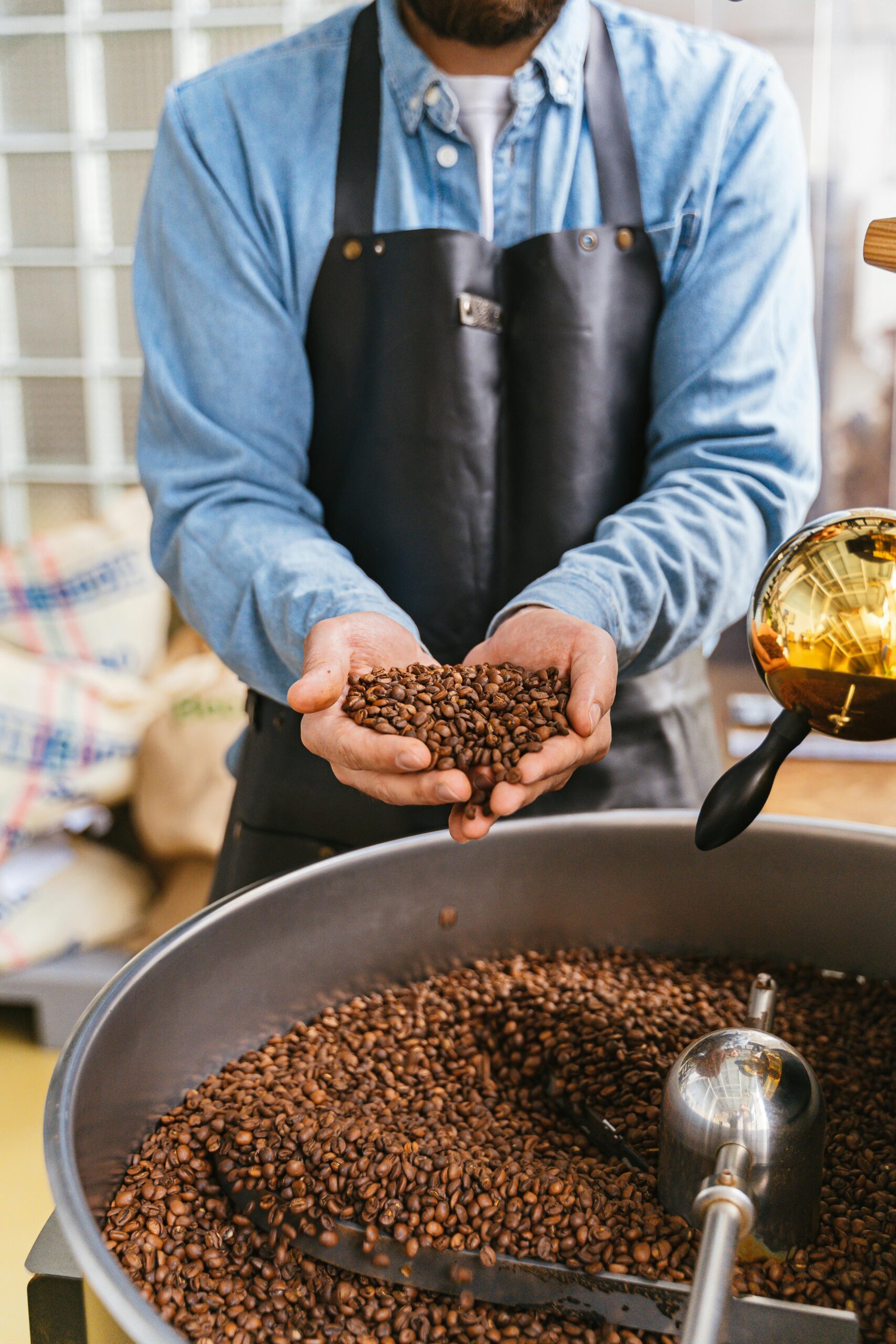
Walk through any New Orleans neighborhood, and you’ll catch the rich aroma of freshly roasted coffee beans. Small-batch roasting isn’t just about quantity—it’s about quality, traceability, and personal touch. These roasters focus on smaller quantities, allowing them to perfect each roast profile and maintain strict quality control. They source directly from farmers, building relationships that ensure ethical practices and exceptional quality. Most importantly, they roast to order, meaning beans reach peak freshness within days rather than weeks or months.
French Truck Coffee pioneered micro-roasting in New Orleans with direct trade and transparency. Alinea Coffee Roasters focuses on offerings from diverse regions, emphasizing the journey from farm to cup. Mojo Coffee Roasters on Tchoupitoulas Street hand-sorts their ethically sourced beans, highlighting innate sweetness and unique characteristics.
On Magazine Street, Current Crop has carved out a unique niche—not just roasting, but building a community around home roasting education. They source specialty-grade green beans from over 30 countries and host hands-on classes that demystify the roasting process. Nearby, Undergrowth Coffee takes an equally intimate approach, roasting in-house and crafting its own syrups while creating an authentic community space.
Historic Roasters Meet Modern Innovation
New Orleans Roast bridges tradition and innovation beautifully. Operating in the historic Faubourg Marigny since 2008, just steps from the French Quarter, their facility fills the riverbanks with the distinctive aroma of freshly roasted beans. Under Roastmaster Felton Jones, they maintain the beloved tradition of French chicory blends while expanding into modern single-origin offerings—proving that heritage and innovation can coexist.
The nano-roasting movement has also arrived. Hey! Café was among the first in New Orleans to embrace nano-roasting, sourcing beans in small quantities for shop roasting. Their offerings showcase how even smaller-scale roasting produces exceptional results. This trend represents what many see as the next wave—cafés roasting in-house to ensure ultimate freshness.
The Home Roasting Revolution
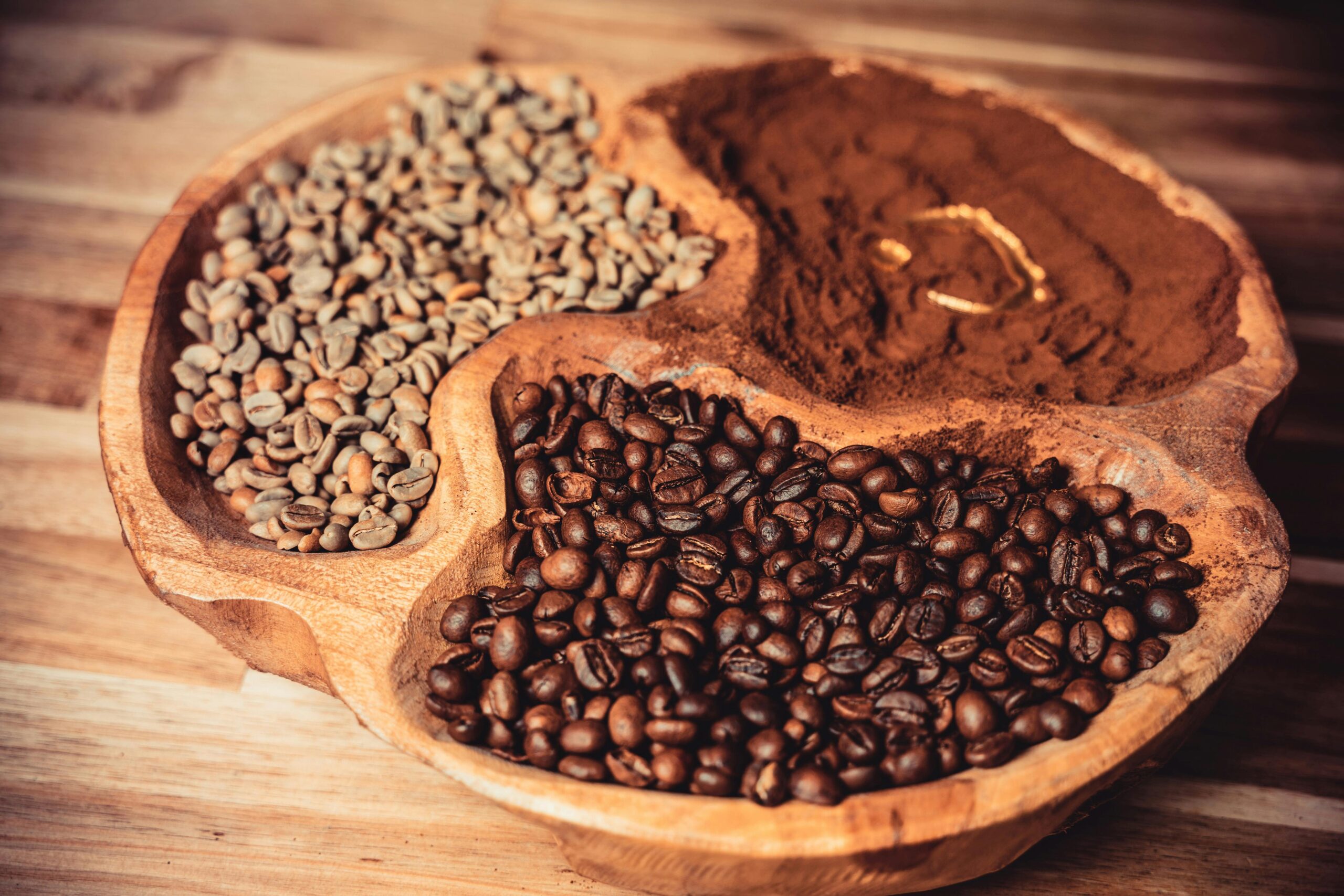
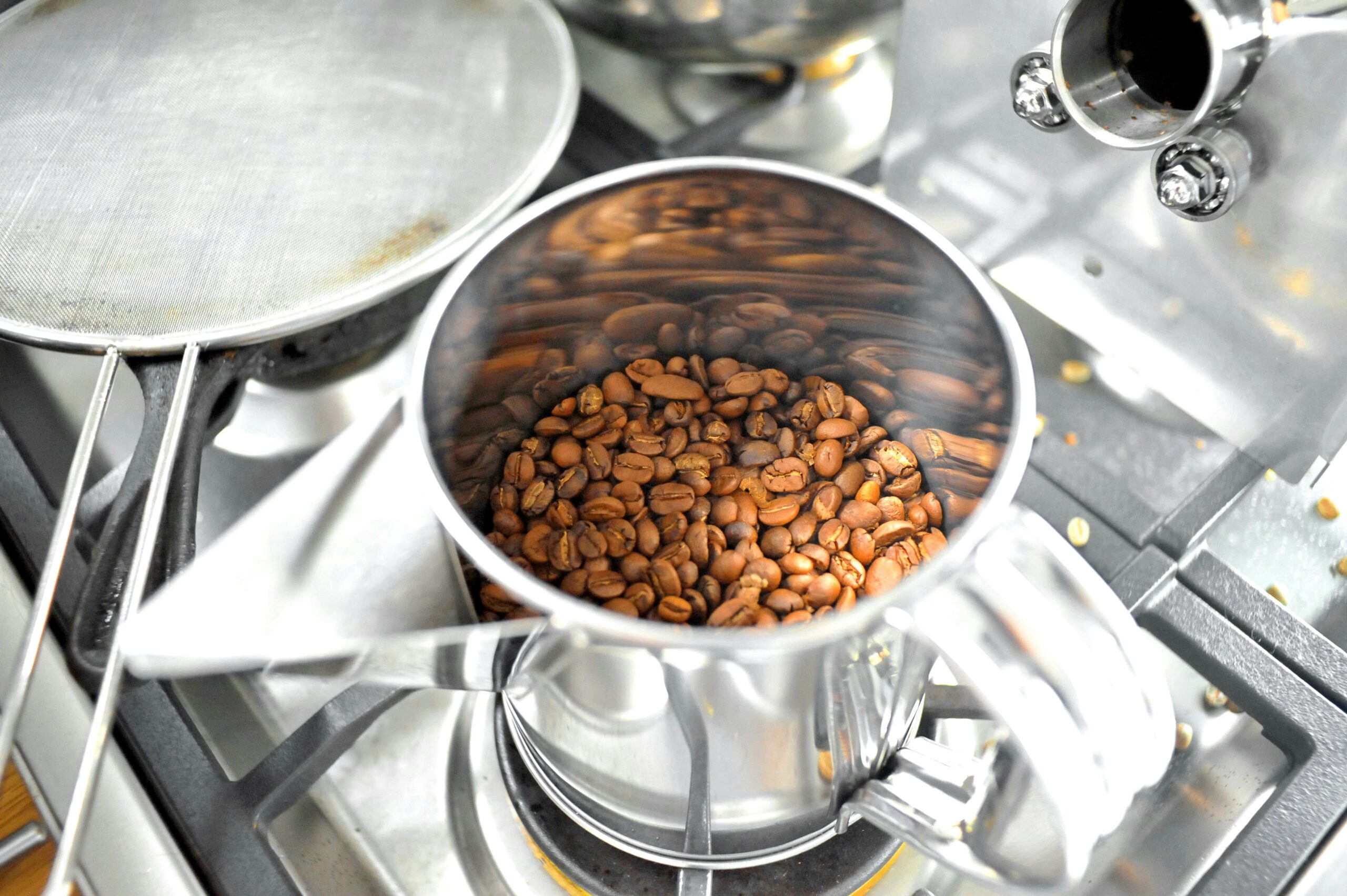
While commercial roasters perfect their craft, home roasters are taking control of their coffee destiny. Modern equipment like the Aillio Bullet roaster offers precise temperature control, airflow adjustment, and data logging—like having a boutique roastery on your countertop. The appeal extends beyond fresh coffee to understanding the entire process, experimenting with profiles, and developing your palate. You can roast the same Ethiopian beans light for floral notes, medium for balance, or dark for chocolate tones.
For those interested in learning, coffee roasting classes offer hands-on experience with the roasting process. These workshops cover everything from green bean selection to cupping techniques, teaching you to recognize the subtle differences between origins, processing methods, and roast levels. The classes make the craft accessible to beginners while offering depth for serious enthusiasts.
Sourcing Quality Green Beans
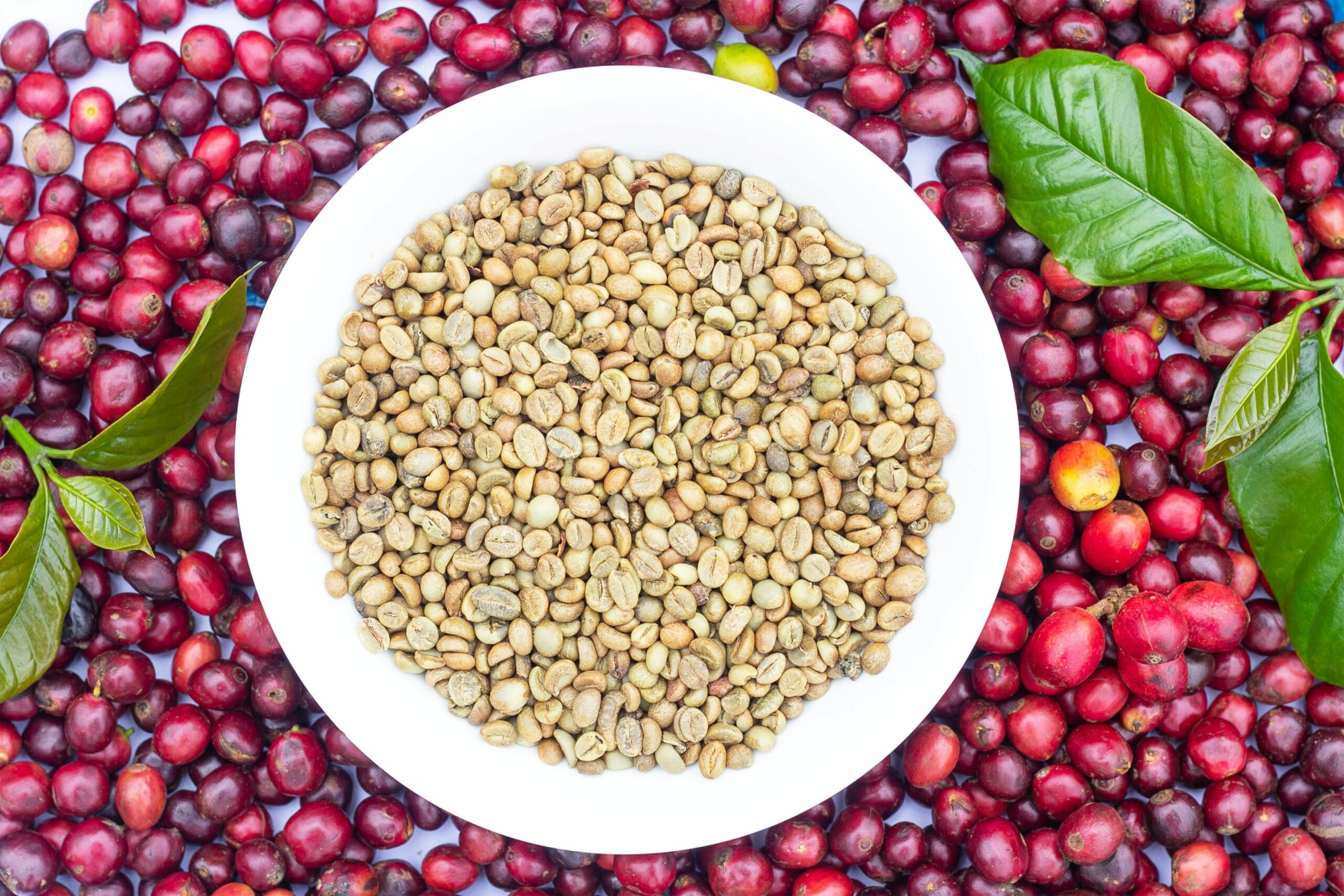
Whether visiting a roastery or roasting at home, it all starts with quality green beans. The city’s roasters source from diverse origins, each bringing unique characteristics.
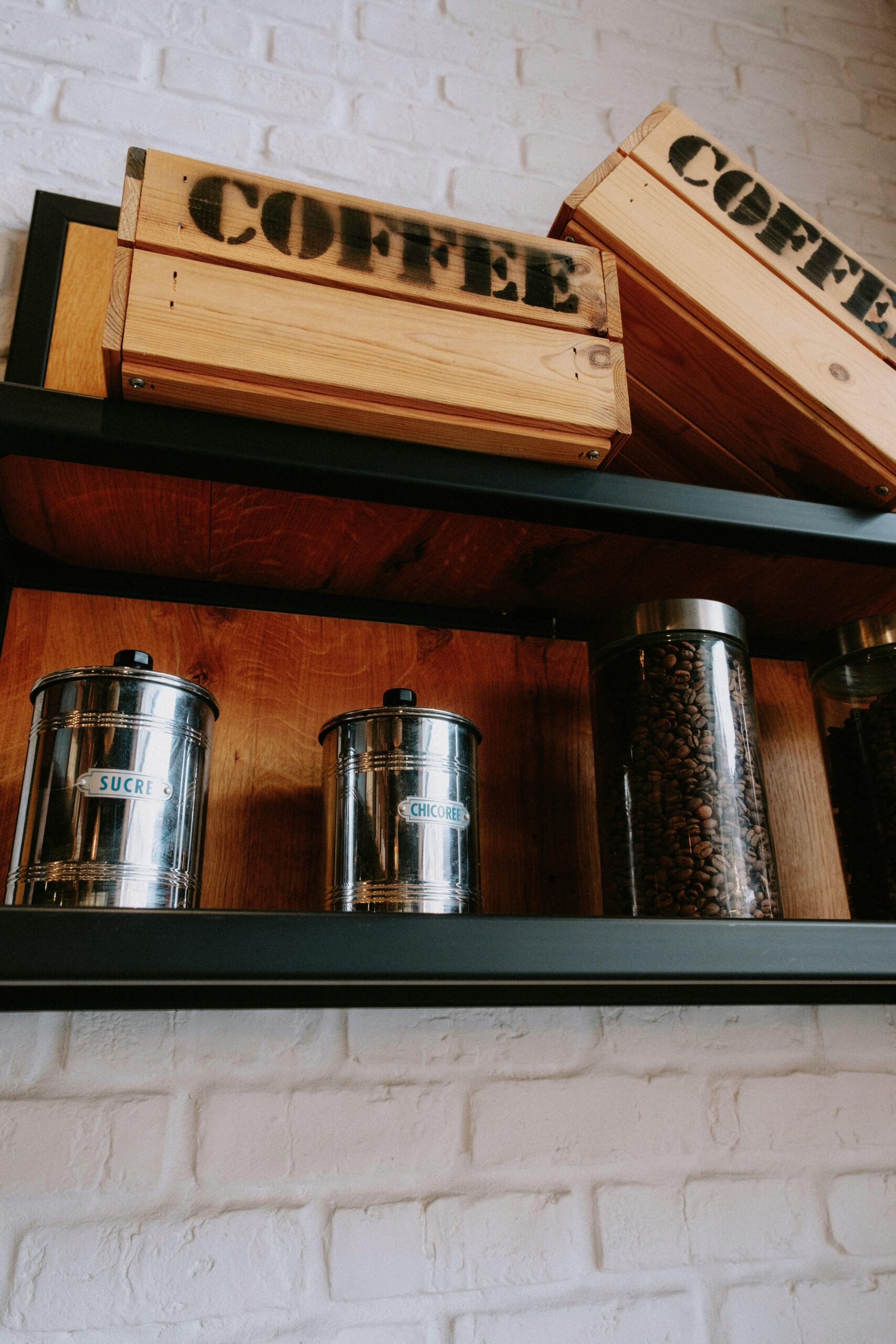
For home roasters, quality unroasted coffee beans from over 30 countries are available through specialty retailers. These beans, stored in climate-controlled conditions and turned over regularly, range from tried-and-true favorites like Colombian and Ethiopian to adventurous microlots from lesser-known regions. Each origin tells a story—some fruity and bright, others chocolatey and nutty, with complex notes that change depending on your roast approach. The beauty is experimentation—roast small batches multiple ways and discover how different levels affect the same origin.
Finding Your Roaster in the Crescent City
Each New Orleans roaster brings something unique to the table. If you’re looking for a vibrant café experience, Undergrowth on Magazine Street offers an intimate, community-focused atmosphere with in-house roasting. Mojo’s Tchoupitoulas operation showcases meticulous hand-sorting and small-batch processes. French Truck’s multiple locations throughout the city make quality coffee accessible, with welcoming spaces for remote work or meeting friends.
Current Crop on Magazine Street stands out for its dedication to home roasting education. Beyond offering equipment and green beans from over 30 countries, they’ve created a true community hub where beginners learn the fundamentals and experienced roasters refine their technique. Their certified Q-Grader leads regular classes, from Intro to Roasting to advanced cupping sessions, making the craft accessible to everyone. New Orleans Roast’s Faubourg Marigny location lets you watch the roasting process and experience the aromas firsthand, while Alinea focuses on wholesale and online, making their selections available to cafés and home brewers throughout the region.
The Future of Coffee in New Orleans
New Orleans celebrates the intersection of tradition and innovation. From historic roasteries to nano-roasters, from commercial operations to home roasters, the city embraces every expression of coffee culture. What unites all these roasters is commitment to quality, transparency, and community.
The small-batch movement continues to grow as more people discover what fresh-roasted, carefully sourced coffee can be. New Orleans has embraced the full spectrum of coffee possibilities. From the French Market to your mug, every cup tells a story.